Last updated October 31, 2026
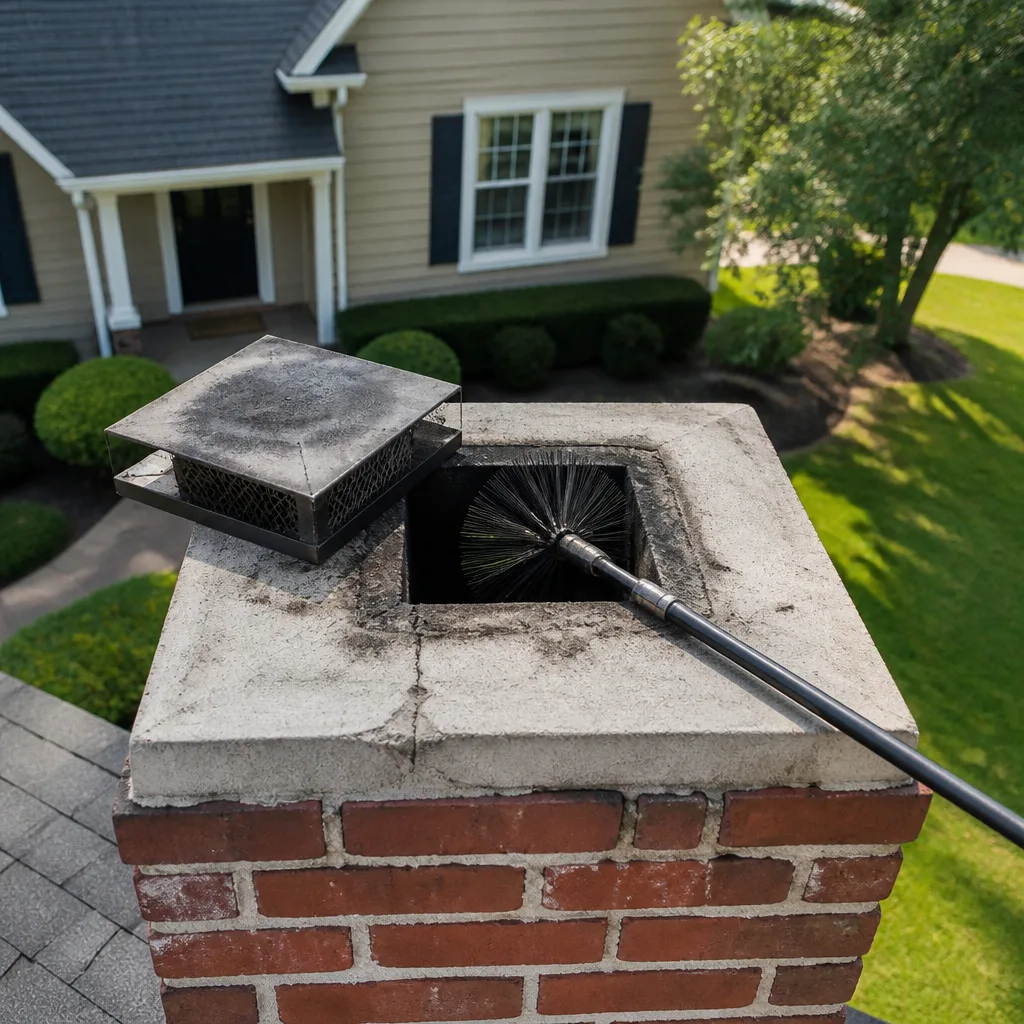 Sweep & inspection
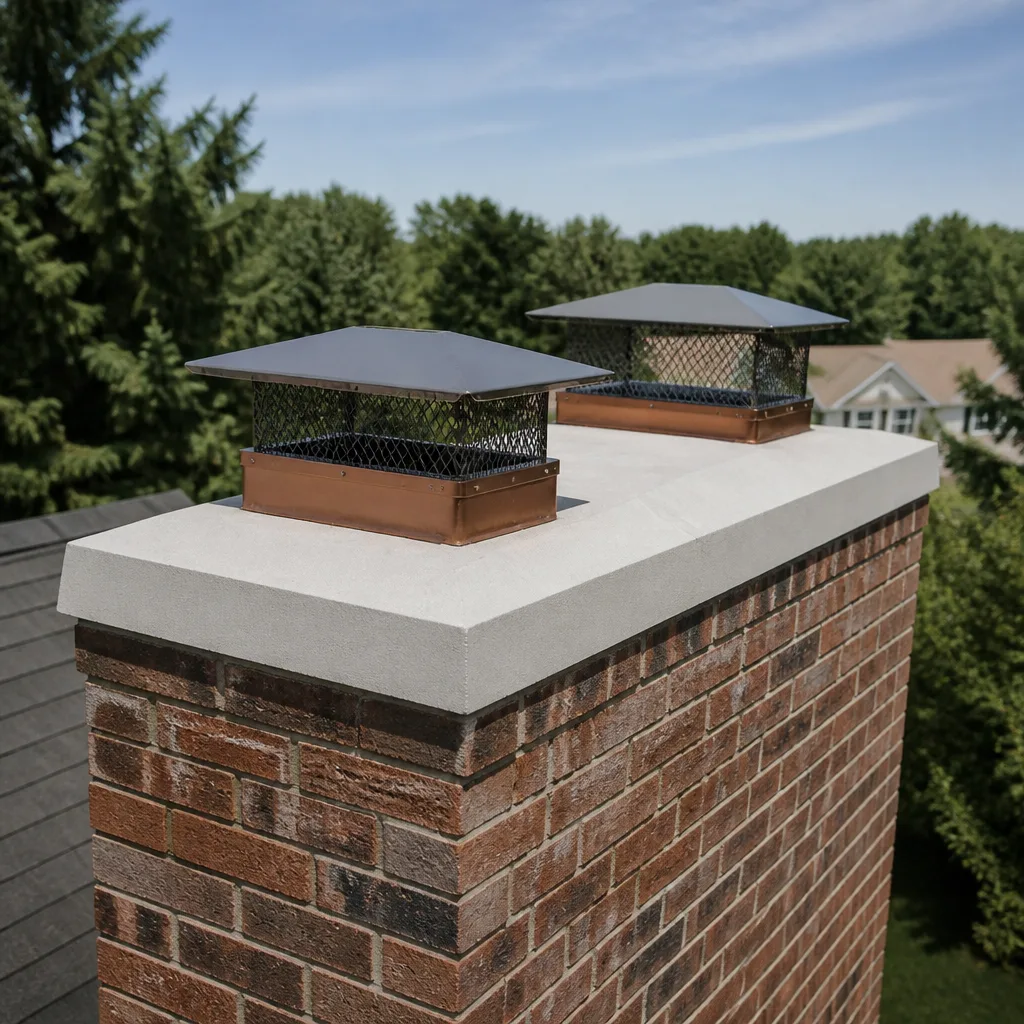 Caps & crowns
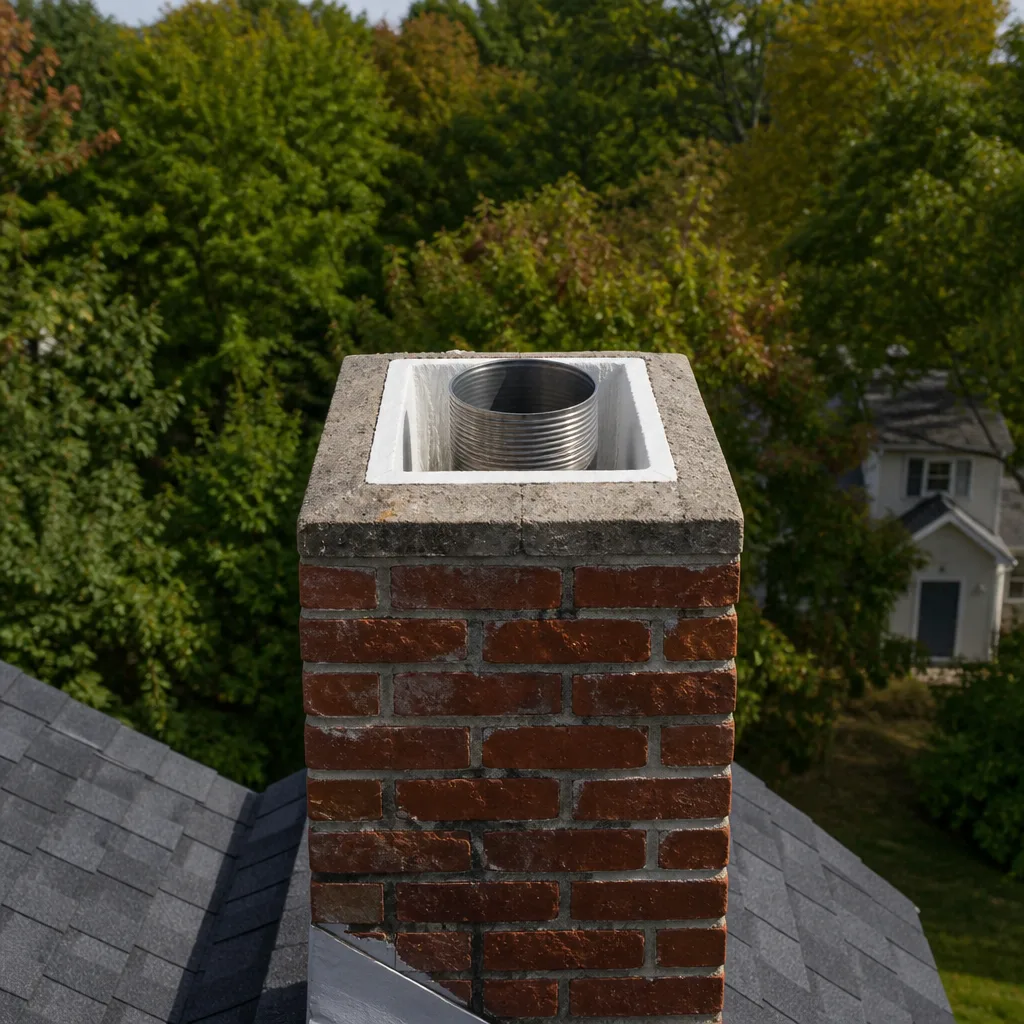 Flue relining
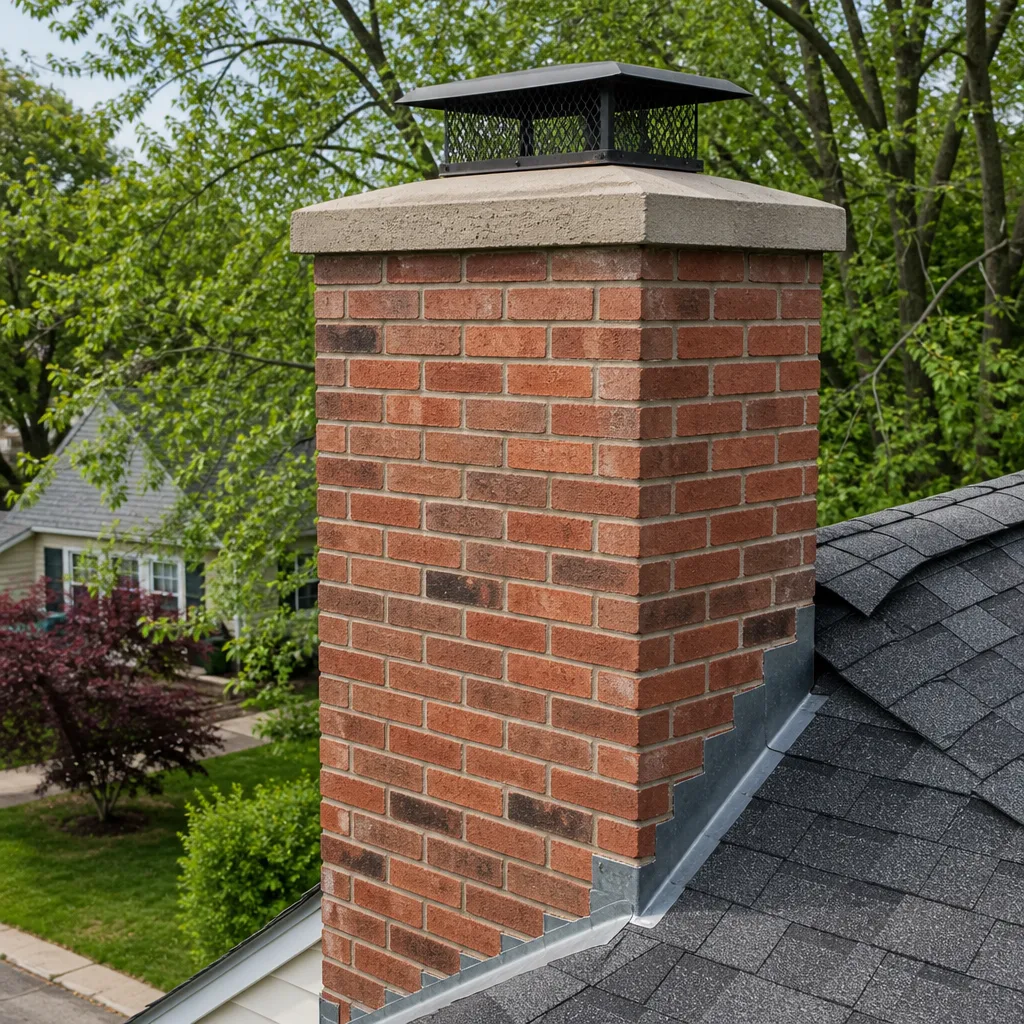 Masonry repair
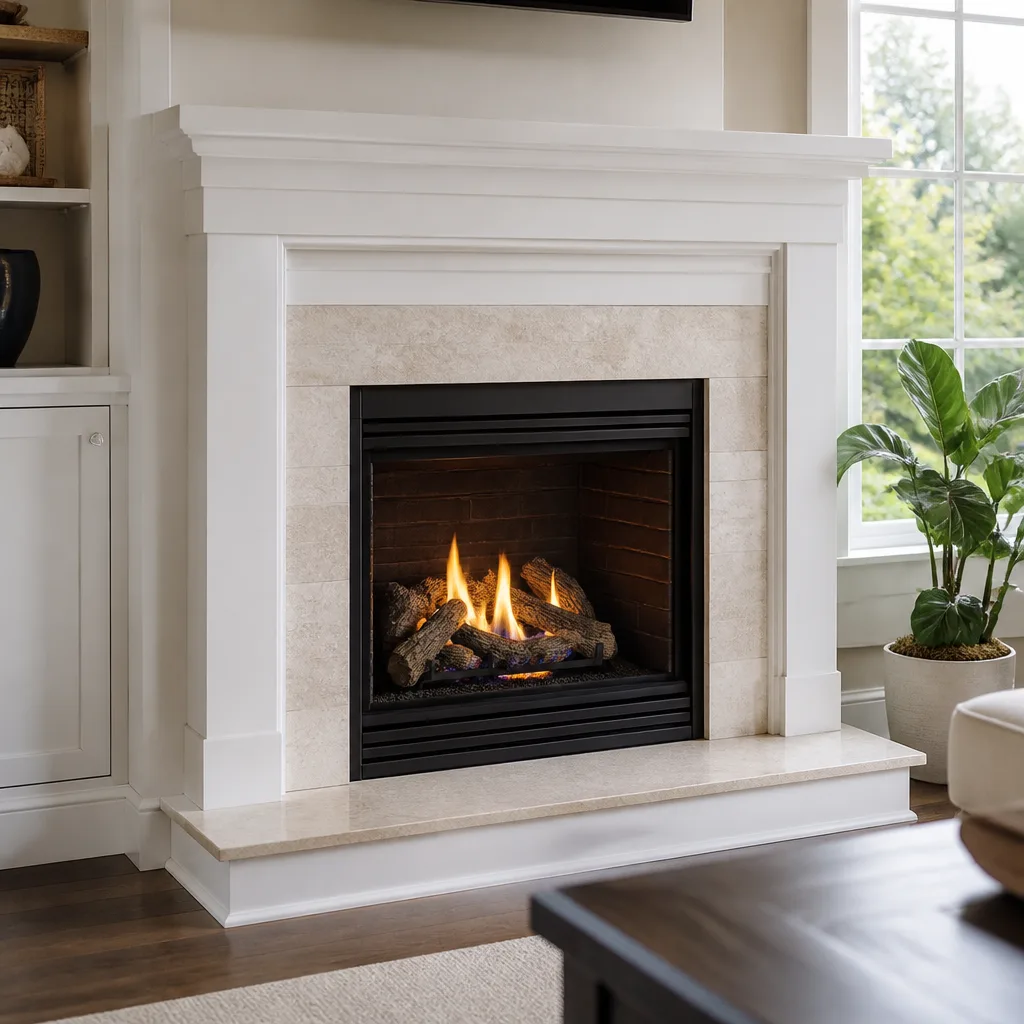 Gas fireplace service
Level 1 sweep and inspection to the NFPA 211 annual standard - flue, crown, cap, and flashing checked and photographed
Chimney sweep logs do not sweep chimneys. They loosen some creosote - which then falls where a brush and vacuum still have to collect it.
The Complete Guide to Chimney Cleaning in Cedar Park
Cedar Park averages fewer than 30 fireplace-burning days a year, yet local chimneys still accumulate Stage 2 creosote. The reason isn’t how often you burn. It’s what the Hill Country humidity does to low-temperature smoke between fires. This guide explains why Cedar Park’s climate creates chimney conditions that generic advice misses, what a professional cleaning actually involves, and how to know when your chimney needs attention before it becomes a structural or safety problem.
Styles & brands we work with
Quick Answer
Chimney cleaning in Cedar Park typically costs between $180 and $325 for a standard sweep and Level 1 inspection, and most homes with regular fireplace use need it every 1 to 2 years. Even light seasonal burning produces creosote that Central Texas humidity can glaze into a hardened, fire-prone coating. A professional sweep removes that buildup, checks for blockages and structural issues, and gives you a written report on what was found.
Table of Contents
- Why Cedar Park Chimneys Get Dirtier Than You’d Expect
- What Is Creosote and Why Does It Matter in Central Texas
- How Often Should You Clean a Chimney in Cedar Park
- CSIA Level 1 vs Level 2 Inspections: What Cedar Park Homes Need
- What Happens During a Professional Chimney Sweep
- How to Read a Chimney Cleaning Report
- Firewood in Cedar Park: What You Burn Changes How Often You Clean
- Common Mistakes to Avoid
- When to Call a Professional
- Frequently Asked Questions
- The Bottom Line
Why Cedar Park Chimneys Get Dirtier Than You’d Expect
You’d think a short burning season means a cleaner chimney. In our experience across Cedar Park, the opposite is often true. Here’s the pattern we see in neighborhoods from Buttercup Creek to Ranch at Brushy Creek. Homeowners light fires on the handful of genuinely cold nights between November and February. Each fire is short, and short fires are the problem.
Wood fires need sustained heat to burn clean. A fire that lasts an hour or two never gets the flue hot enough to fully combust the smoke. That smoke condenses on the cooler upper flue walls as creosote. Then the fire goes out. Then the weather warms up again, and the humidity returns.
Central Texas humidity sits above 60 percent for much of the late winter and spring. That moisture gets into the flue and interacts with creosote deposits. Fresh creosote is flaky and easy to remove. Humid-aged creosote goes through a chemical transition. It picks up moisture, then dries again in the next warm spell. The result is a denser, stickier coating that resists brushing and bonds to the flue lining. A chimney in Vermont that burns daily all winter can end up with an easier cleaning job than a Cedar Park chimney that burned a dozen times.
The other local variable is the freeze-thaw cycle. Cedar Park gets enough cold snaps to drop below freezing, then quick warm-ups. That cycling puts stress on masonry. Small cracks open up. When spring storms roll in, water finds those cracks. Wet creosote plus cracked masonry is a combination that accelerates flue deterioration. A chimney that hasn’t been cleaned in three years may have developed problems that would take ten years to show up in a drier climate.
What Is Creosote and Why Does It Matter in Central Texas
Creosote is the residue left behind when wood smoke cools and condenses inside a chimney. It forms in three stages, and each stage changes what a sweep has to do.
Stage 1 is a light, dusty coating. A standard brush removes it without much effort. Stage 2 is a flaky or granular crust. It requires more aggressive brushing, and it’s the stage where most Cedar Park chimneys sit when they’re cleaned after two or three seasons of casual use. Stage 3 is a hardened, tar-like glaze that builds up in layers. Once Stage 3 creosote forms, standard brushes won’t touch it. Removal requires rotary tools, chemical treatments, or both.
Creosote is combustible. It’s the fuel that feeds chimney fires. A chimney fire doesn’t need a thick coating. Stage 2 creosote in sufficient quantity can ignite under the right conditions. When it burns, it can reach temperatures that crack flue tiles, warp metal liners, and spread to surrounding framing.
Even without igniting, creosote causes problems. It’s acidic. Over time, it eats into mortar joints and corrodes metal components. In a humid climate like Cedar Park’s, creosote also absorbs moisture, expanding slightly with each cycle and prying at the flue lining. The cleaning isn’t just about fire prevention. It’s about keeping the chimney structurally sound for decades.
One detail most guides skip: creosote smell. When humidity rises, a dirty chimney can push a burnt-campfire odor into the house, even with the damper closed. Cedar Park homeowners often notice this in spring and early summer when air conditioning becomes intermittent and the house seals up. It’s one of the most common reasons people call for a sweep who haven’t burned in months.
How Often Should You Clean a Chimney in Cedar Park
The National Fire Protection Association standard says chimneys should be inspected at least once a year and cleaned when creosote reaches 1/8 inch of buildup. That’s the industry baseline. But Cedar Park’s specific conditions push most homes toward a practical cleaning interval of every 1 to 2 years, even with modest burning habits.
Here’s a straightforward guide based on what we see across the city:
- Burning more than 20 fires per season: clean every year. No exceptions. Even with good wood, that’s enough smoke volume to produce actionable creosote.
- Burning 5 to 20 fires per season: clean every 1 to 2 years. The wildcard is humidity-driven hardening, which can happen quickly.
- Burning fewer than 5 fires per season: still inspect annually and clean every 2 to 3 years. Animal nests, leaves, and debris build up regardless of fire use.
- Using cedar, live oak, mesquite, or other local unseasoned wood: clean every year regardless of frequency. These woods produce heavier smoke and faster creosote accumulation.
Gas fireplaces change the equation. They don’t produce creosote, but they do produce mineral deposits and can attract soot accumulation if the logs are misaligned or the burner is dirty. We recommend a Level 1 inspection on gas units every two years at minimum. The inspection catches venting problems that creosote-focused advice misses.
If you’re not sure where your chimney stands, the inspection tells you. A sweep isn’t a guess. We measure the creosote, photograph the flue, and show you what we’re seeing. If it’s clean enough to skip a year, we’ll say so plainly. You shouldn’t clean a chimney that doesn’t need it.
CSIA Level 1 vs Level 2 Inspections: What Cedar Park Homes Need
The Chimney Safety Institute of America defines three inspection levels. Understanding the difference helps you know what you’re paying for and what your situation requires.
Level 1 Inspection
A Level 1 inspection happens when the chimney hasn’t changed since the last inspection: same appliance, same fuel, same venting configuration. The inspector checks the readily accessible interior and exterior portions of the chimney. This includes the firebox, damper, flue interior, and the exterior chimney structure from the ground or roof. A Level 1 is what accompanies most standard sweep appointments. For the majority of Cedar Park homes with an open masonry fireplace or a zero-clearance factory-built unit that gets seasonal use, a Level 1 is the right level.
Level 2 Inspection
A Level 2 is required when something changes: you install a different appliance, switch fuel types, or modify the venting. It’s also required after a chimney fire, after severe weather that may have damaged the structure, or as part of a property sale. A Level 2 includes everything in Level 1 plus inspection of accessible attics, crawl spaces, and basements, along with a video scan of the flue interior.
In Cedar Park’s real estate market, a Level 2 chimney inspection is becoming a standard part of home sales. The freeze events in recent years, combined with hail and wind from spring storms, have made insurance companies and savvy buyers more cautious about chimney condition. If you’re selling a home in the Brushy Creek or Anderson Mill West area, expect the buyer’s inspector to flag the chimney if there’s any visible spalling, cracking, or staining. A Level 2 inspection with a written report gives both sides a clear picture before negotiations stall.
What We Recommend
- Annual user, routine clean: Level 1 inspection is sufficient.
- New home purchase or first-use after a long vacancy: Level 2 inspection. You don’t know what’s happened in that flue.
- After any weather event that visibly damaged the chimney or roof: Level 2 inspection.
- After switching from wood to gas or installing a new insert: Level 2 inspection, required by code.
Some chimney companies push video scans on every job. We don’t think that’s necessary for a straightforward annual clean. But if our Level 1 raises any red flag, a Level 2 with camera documentation is the honest next step. We’ll show you the footage and explain what it means before recommending any repair work.
What Happens During a Professional Chimney Sweep
Knowing the actual process takes the mystery out of the service and helps you evaluate whether you’re getting a real cleaning or a surface-level job. Here’s what a proper sweep of a masonry or factory-built chimney looks like step by step.
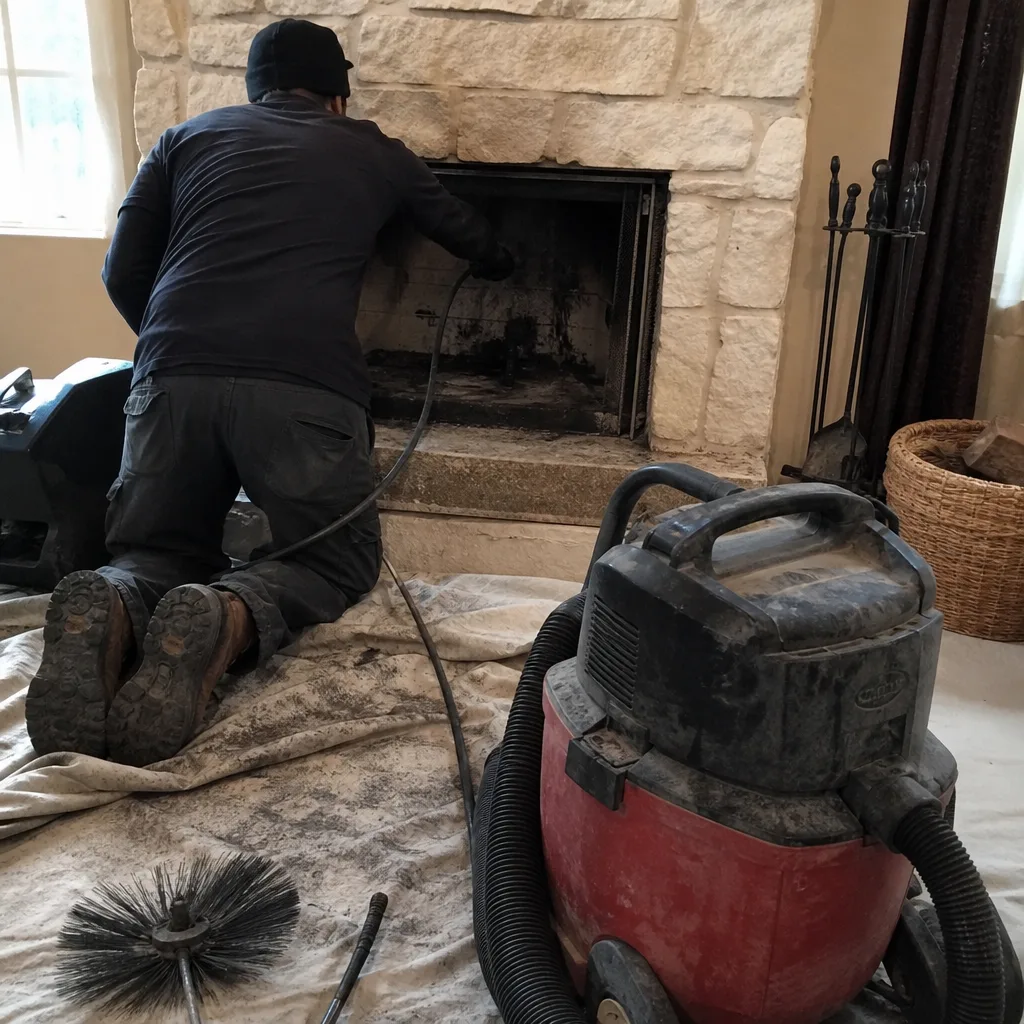
- Site protection. We lay drop cloths in front of the fireplace and around the work area. A vacuum with HEPA filtration runs during the entire process to capture dust before it enters your living space.
- Visual inspection of the firebox and damper. Before touching the flue, we check the firebox for cracked brick or refractory panels, test the damper operation, and note any water staining or rust.
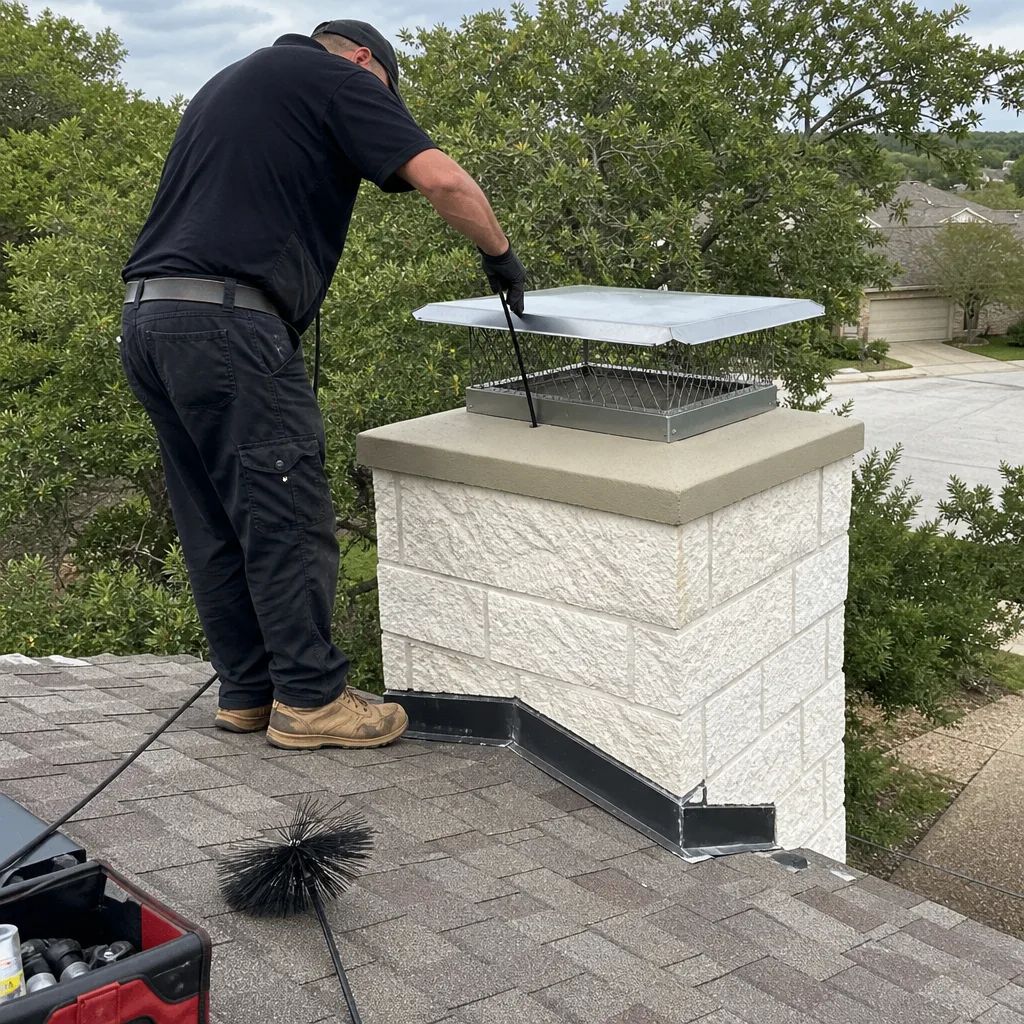
- Flue inspection from the top. We go up on the roof, remove the cap or spark arrestor, and look down the flue. This identifies blockages, animal activity, and creosote severity before brushing starts.
- Brushing the flue. For standard Stage 1 or light Stage 2 creosote, a wire or poly brush sized to the flue is run down from the top, scrubbing the walls and dislodging deposits. We use professional-grade equipment including Rutland and SootEater rotary systems when the creosote is thicker. Rotary cleaning spins a whip-like head at high speed against the flue walls, which breaks up glazed deposits that a stationary brush can’t move.
- Smoke shelf and smoke chamber cleaning. This is the area most DIY YouTube videos ignore. The smoke shelf sits just above the damper and collects a surprising amount of debris. If it’s not cleaned, you’ll still get downdraft odor even with a clean flue.
- Final inspection and report. After cleaning, we do a final visual pass to confirm the flue is clear and document the condition. You get a written report with photographs and any recommendations for follow-up.
The whole process on a straightforward residential chimney takes between 45 and 90 minutes. Bigger jobs with Stage 3 creosote, animal removal, or repairs take longer and are priced accordingly.
One thing to understand: a sweep cleans the flue. It does not repair cracks, replace damaged liners, or fix masonry. Those are separate services. A qualified sweep will document what they find and can either perform the follow-up repair or refer you to a specialist. At Ashton Chimney, our Chimney Repair in Cedar Park service handles liner repair, resurfacing, and structural work so the same crew that cleans your chimney can fix what the sweep uncovers.
How to Read a Chimney Cleaning Report
A written report is only useful if you know what to do with the findings. Here’s what typical entries mean and which ones matter immediately.
Findings That Require Immediate Action
- Stage 3 creosote buildup. This is a fire hazard and needs either rotary removal or chemical treatment promptly. Don’t burn again until it’s addressed.
- Cracked flue tiles or gaps in the liner. Combustion gases can leak into the home’s framing. This is a carbon monoxide risk and a fire hazard. The proper fix is liner repair or replacement.
- Animal nest or blockage. Burned nests inside a chimney can ignite. Blockages cause smoke and carbon monoxide to back up into the house.
- Obvious water damage or masonry spalling. Bricks that are flaking, cracking, or showing white staining are losing structural integrity. The longer it waits, the more expensive the repair.
Findings That Can Wait Until Next Season
- Light mortar joint wear. If joints are showing minor erosion but the structure is sound, a repointing job can be scheduled within 12 to 18 months.
- Surface rust on the damper. If the damper still operates, rust can wait. But track it; once the damper fails, your home leaks conditioned air through the chimney.
- Mild creosote in the smoke chamber. If it’s below the 1/8-inch threshold and you’re cleaning regularly, a standard brush pass next season will handle it.
A good report includes photographs. Ask for them. A sweep who won’t show you what they found is a red flag. At Ashton Chimney, we document every inspection with photos and explain each finding in plain English. You’ll never get a report that says “clean” and nothing else. You’ll know what we saw, what it means, and what your options are. HeatShield-certified repair work is available when the finding calls for flue restoration rather than full replacement.
Firewood in Cedar Park: What You Burn Changes How Often You Clean
Central Texas doesn’t have the same firewood culture as northern states. Most Cedar Park homeowners burn whatever is available: cedar, live oak, pecan, mesquite, or store-bought bundles of questionable provenance. What you burn directly affects how fast your chimney gets dirty.
Cedar is everywhere in the Hill Country and it’s tempting to use. It’s easy to split, easy to light, and burns fast. It also produces heavy, oily smoke that deposits creosote quickly. Cedar contains high resin content, and resin-rich smoke is exactly what glazes flue walls. If you burn cedar regularly, you need annual cleaning no matter how careful your fire habits are.
Live oak is a denser, longer-burning wood that produces good heat, but live oak here is rarely seasoned properly. Green live oak holds a lot of moisture. Wet wood never burns hot enough for complete combustion, so you get more smoke and more creosote. In a damp winter, even “seasoned” live oak sold by roadside vendors in Cedar Park can test above 25 percent moisture. That’s too wet for clean burning.
Mesquite burns hot and clean when properly dried, but it’s hard to split and often sold in large chunks that don’t dry evenly. Partially dry mesquite smolders, and smolder is the enemy. Mesquite also burns hot enough to overfire smaller fireplaces if you load too much.
The practical takeaway for Cedar Park: buy your wood from a supplier who can tell you the moisture content, or season it yourself under cover for at least 12 months. A moisture meter costs $20 and removes the guesswork. Aim for 20 percent moisture or below. And no matter how careful you are with your wood, stick to an annual inspection schedule. The climate here works against even the best burning habits.
Common Mistakes to Avoid
- Skipping the inspection because you “only burned a few times.” Low-use fireplaces still accumulate debris, nests, and humidity-hardened creosote. The number of fires matters less than the time between cleanings.
- Burning cedar or green oak because it’s free and available. The creosote cost comes back later in cleaning frequency and potential liner damage. Free wood isn’t free when it doubles your maintenance bill.
- Hiring the cheapest sweep without asking what the job includes. A $99 sweep that doesn’t clean the smoke shelf or document the flue condition is a partial job. Know what you’re getting before you book.
- Ignoring the smell. A campfire smell in the house during humid months is a sign of creosote buildup, not a quirky old house feature. It means the chimney needs attention.
- Waiting until fall to address a spring inspection finding. Cedar Park chimney pros are busiest from October through January. Scheduling repairs in the off-season means faster appointments and often lower pricing.
- Not cleaning the dryer vent because “the chimney is clean.” Your dryer vent is a venting system too. Lint buildup is the leading cause of dryer fires, and our Dryer Vent Cleaning in Cedar Park service addresses that risk separately from chimney cleaning.
- Assuming a gas fireplace needs no maintenance. Gas units still need regular inspection. Carbon monoxide risks from gas venting problems are harder to detect than creosote buildup. Do not assume a gas fireplace is maintenance-free.
When to Call a Professional
Some chimney issues are visible and obvious. Others require an experienced eye and the right tools. Call a professional if you notice any of these in your Cedar Park home:
- Smoke backing up into the room when you light a fire
- A strong campfire smell that doesn’t go away, especially in humid months
- Visible dark staining or tar-like deposits on the fireplace interior
- Animal sounds or nesting material in the chimney
- Cracked or spalling bricks on the exterior chimney
- Water staining on the ceiling near the chimney
- More than two years since the last inspection
Chimney work is not a DIY project. High-temperature creosote removal, liner inspection, and structural assessment require training and equipment that make professional service the right call for anything beyond a visual check. Ashton Chimney offers free estimates in Cedar Park. Call (855) 507-9184 to schedule an inspection or talk through what you’re seeing. We’ll tell you honestly whether the chimney needs attention now or can wait.
Frequently Asked Questions
Chimney cleaning in Cedar Park typically costs between $180 and $325 for a standard sweep with a Level 1 inspection. The price varies based on flue size, creosote severity, and whether animal removal or repair work is needed. More extensive jobs with Stage 3 creosote or video scanning may run higher. Call (855) 507-9184 for an exact quote based on your chimney’s condition. Estimates are free.
Most Cedar Park homes need chimney cleaning every 1 to 2 years, depending on how often you burn and what kind of wood you use. Homes burning cedar or unseasoned live oak should clean annually. Even gas fireplace users should schedule an inspection every 2 years to verify venting is safe.
Skipping chimney cleaning allows creosote to accumulate and harden into Stage 3 glaze. At that point, removal is more expensive and the fire risk increases. Creosote in Stage 2 or higher can ignite and cause a chimney fire, potentially cracking the liner and spreading to surrounding structure. In humid climates like Cedar Park’s, buildup also accelerates flue deterioration even without a fire.
Gas fireplaces don’t produce creosote, so they don’t need the same type of cleaning as wood-burning units. But they do need periodic inspection. Burner soot, mineral deposits, and venting blockages can occur and create carbon monoxide risks. A Level 1 inspection every 2 years is a reasonable schedule for gas units in Cedar Park.
That smell is concentrated creosote in the flue and smoke chamber. Humidity causes it to release odor, especially when the house is closed up. The fix is a professional sweep. It’s not just an odor issue. The buildup causing the smell is also the material that fuels chimney fires. Call (855) 507-9184 to schedule a cleaning.
Yes, a Level 2 inspection is recommended for any home purchase in Cedar Park. It includes a video scan of the flue interior and inspection of accessible areas a Level 1 misses. Cedar Park’s freeze-thaw cycles and spring storms can damage chimneys in ways that aren’t visible from the outside. A Level 2 inspection catches those issues before you close.
The Bottom Line
Chimney cleaning in Cedar Park is about more than pushing a brush up a flue. It’s about understanding how our specific climate, common firewoods, and seasonal weather patterns affect the structures that vent your home. A properly maintained chimney gets cleaned every 1 to 2 years, inspected annually, and repaired using materials that last. When you work with our team at Ashton Chimney home, one call covers the full Chimney Sweep in Cedar Park service, any Chimney Repair in Cedar Park follow-up, and Dryer Vent Cleaning in Cedar Park to address the venting system that most chimney companies ignore. We name the products we install, including Gelco and Olympia Chimney materials, so you know exactly what’s going into your home. Call (855) 507-9184 for a free estimate and a straight answer about your chimney’s condition.
Written by the team at Ashton Chimney, serving Cedar Park since 2014.
See the difference
 Before
 After
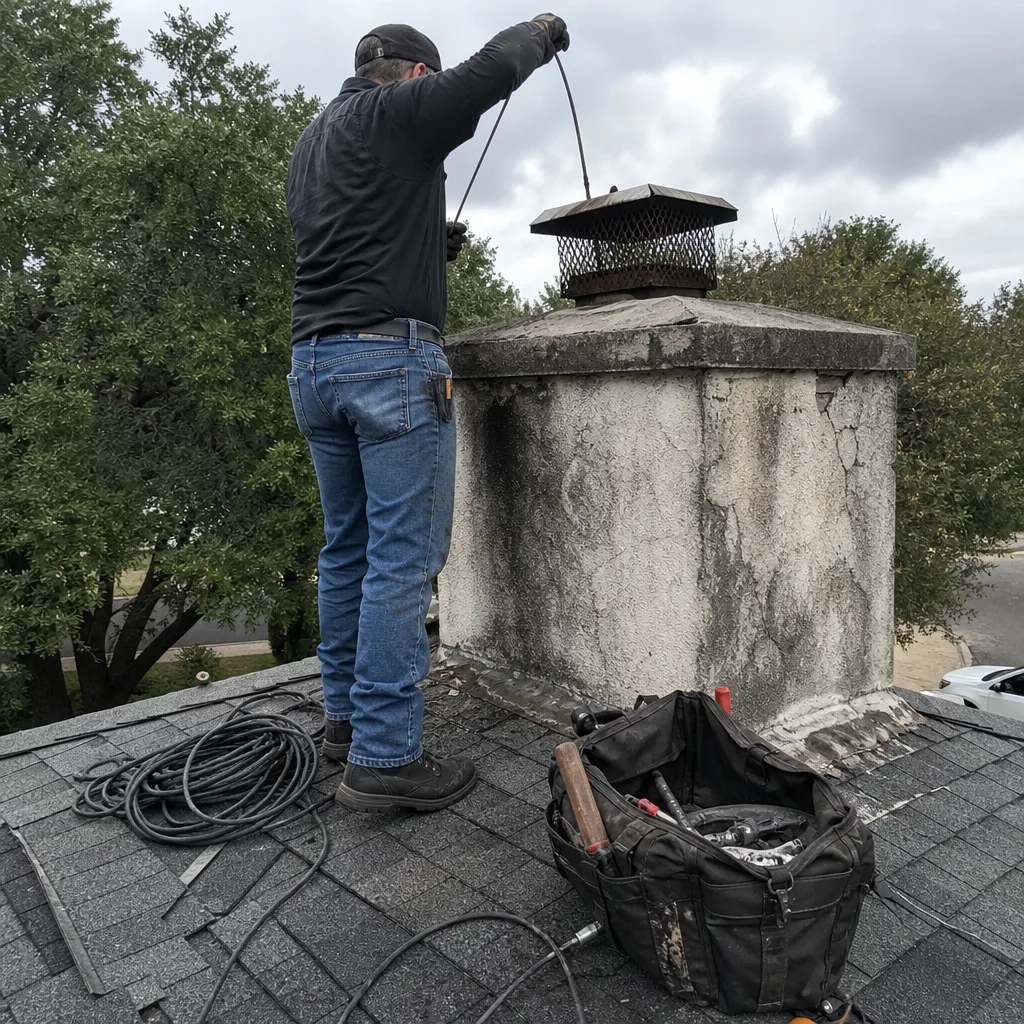 Before
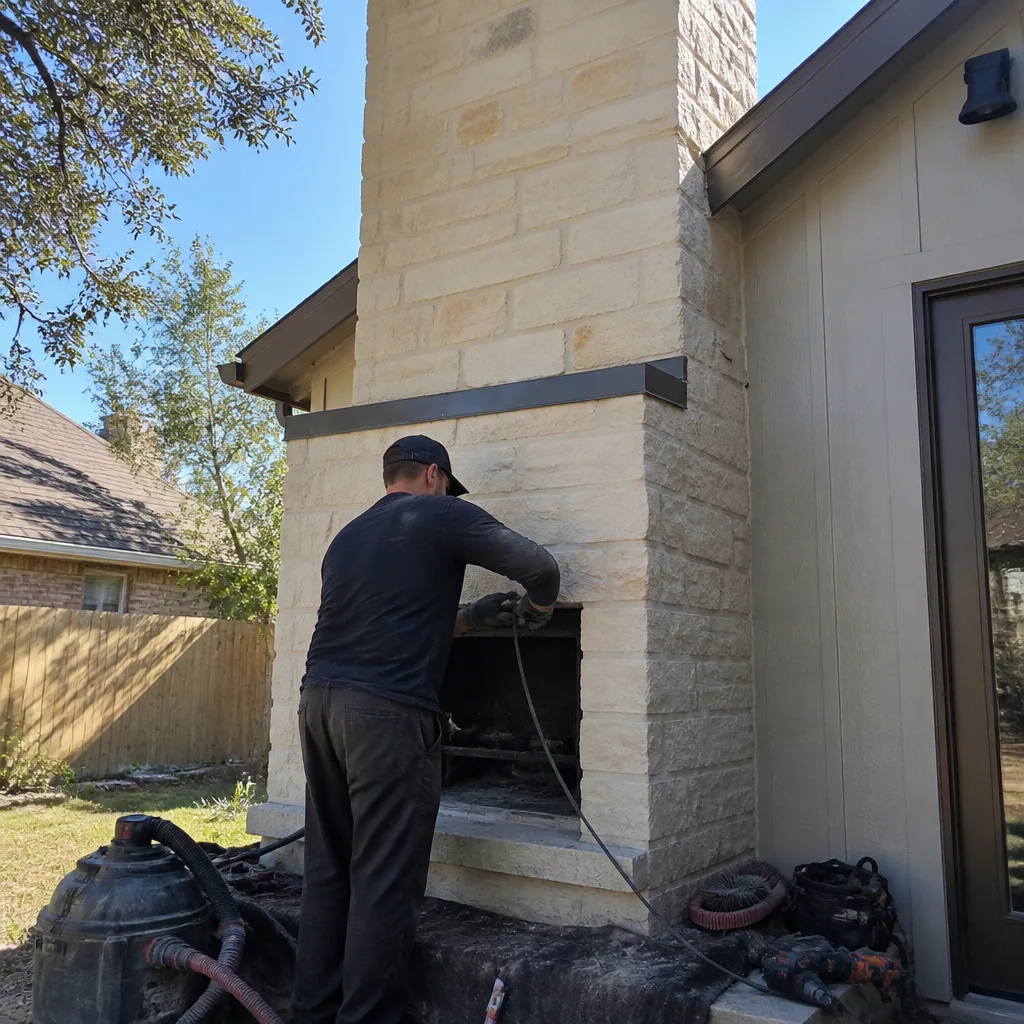 After
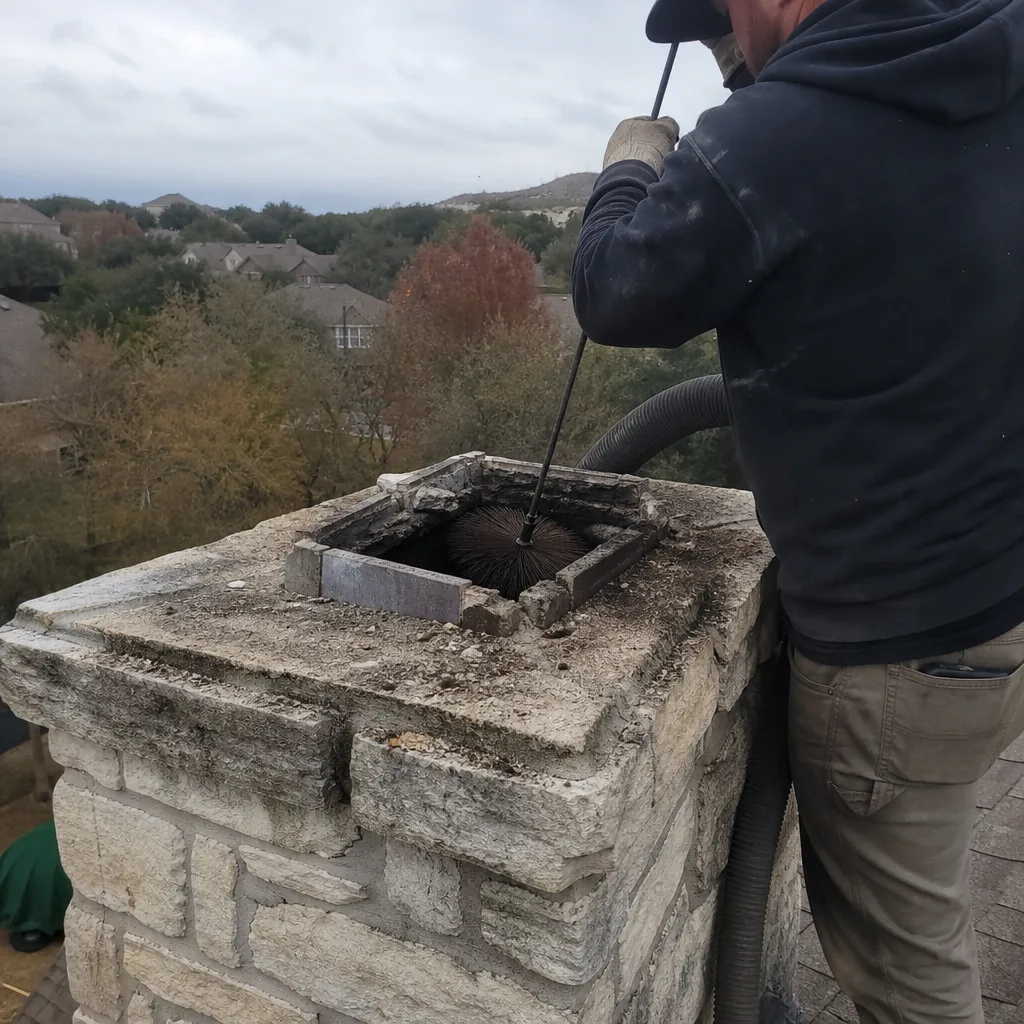 Before
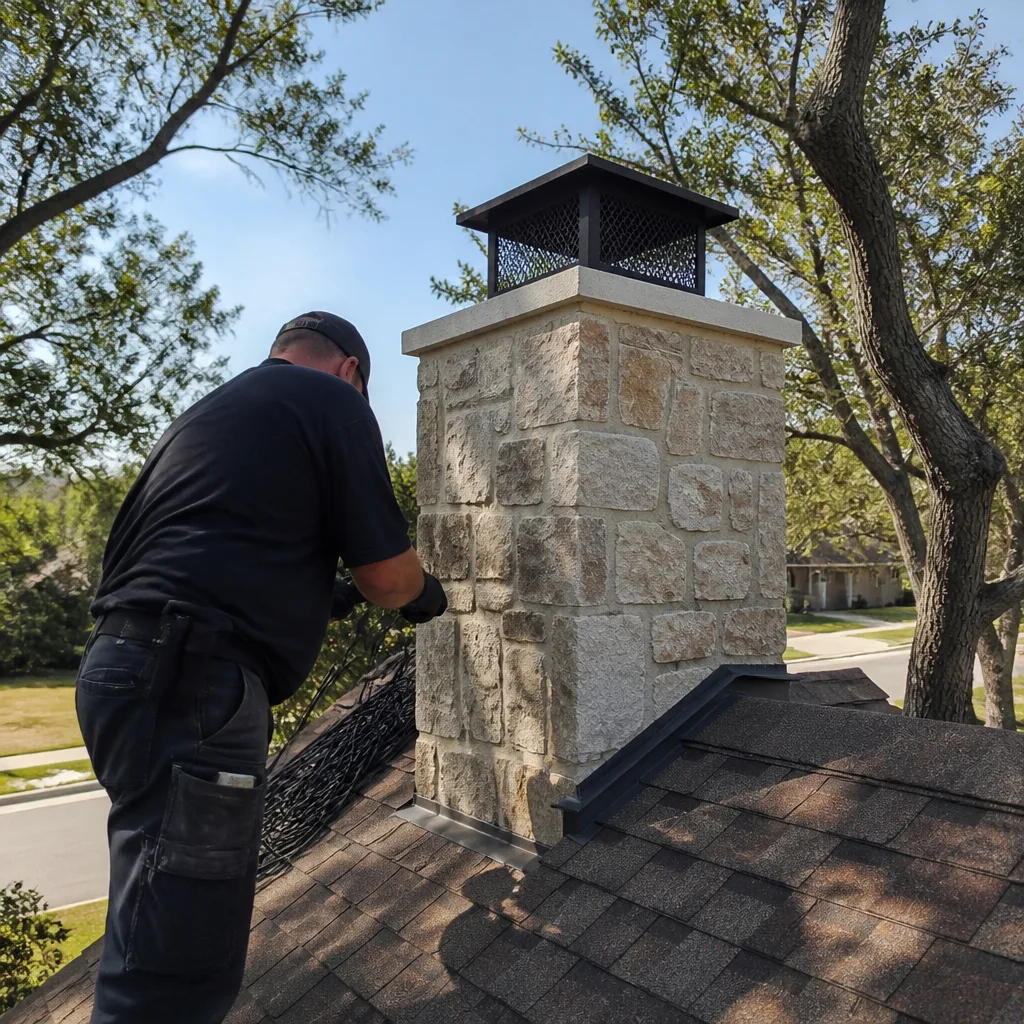 After