Last updated October 31, 2026
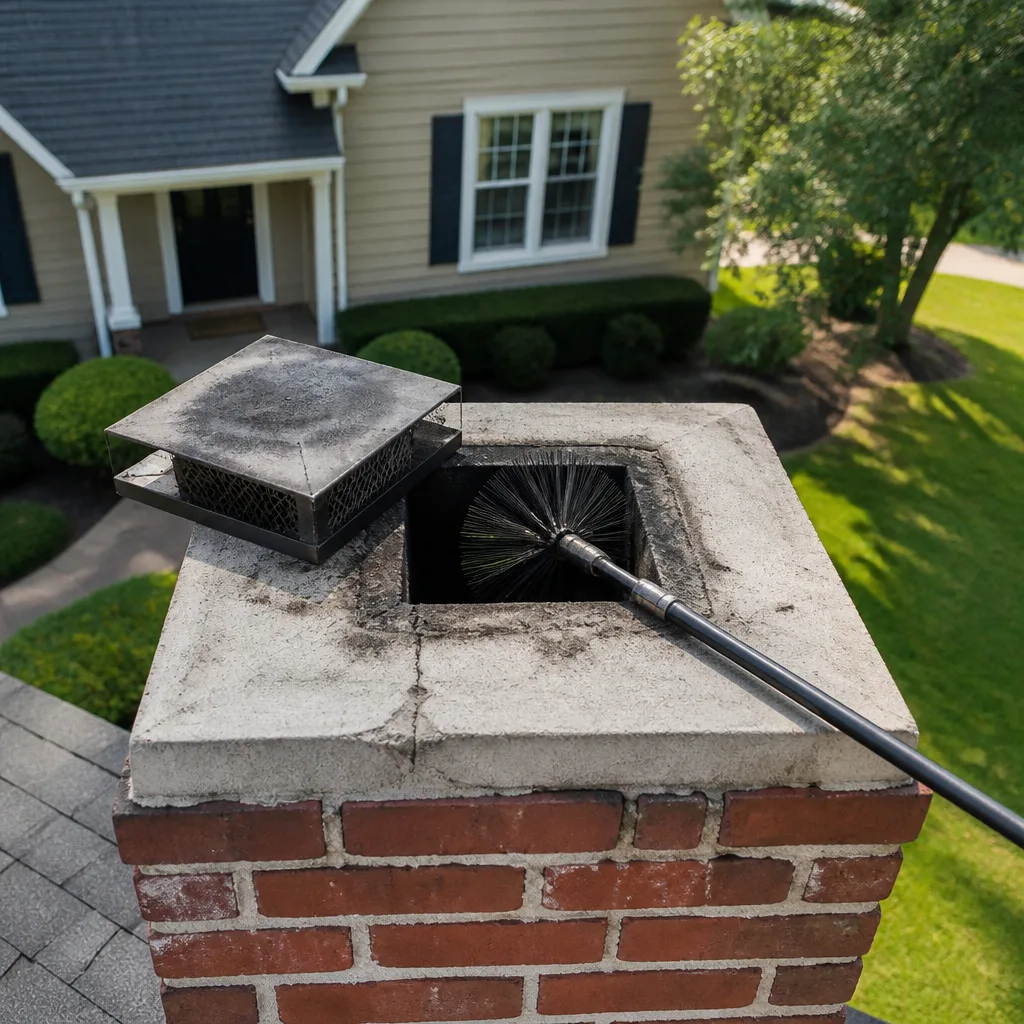 Sweep & inspection
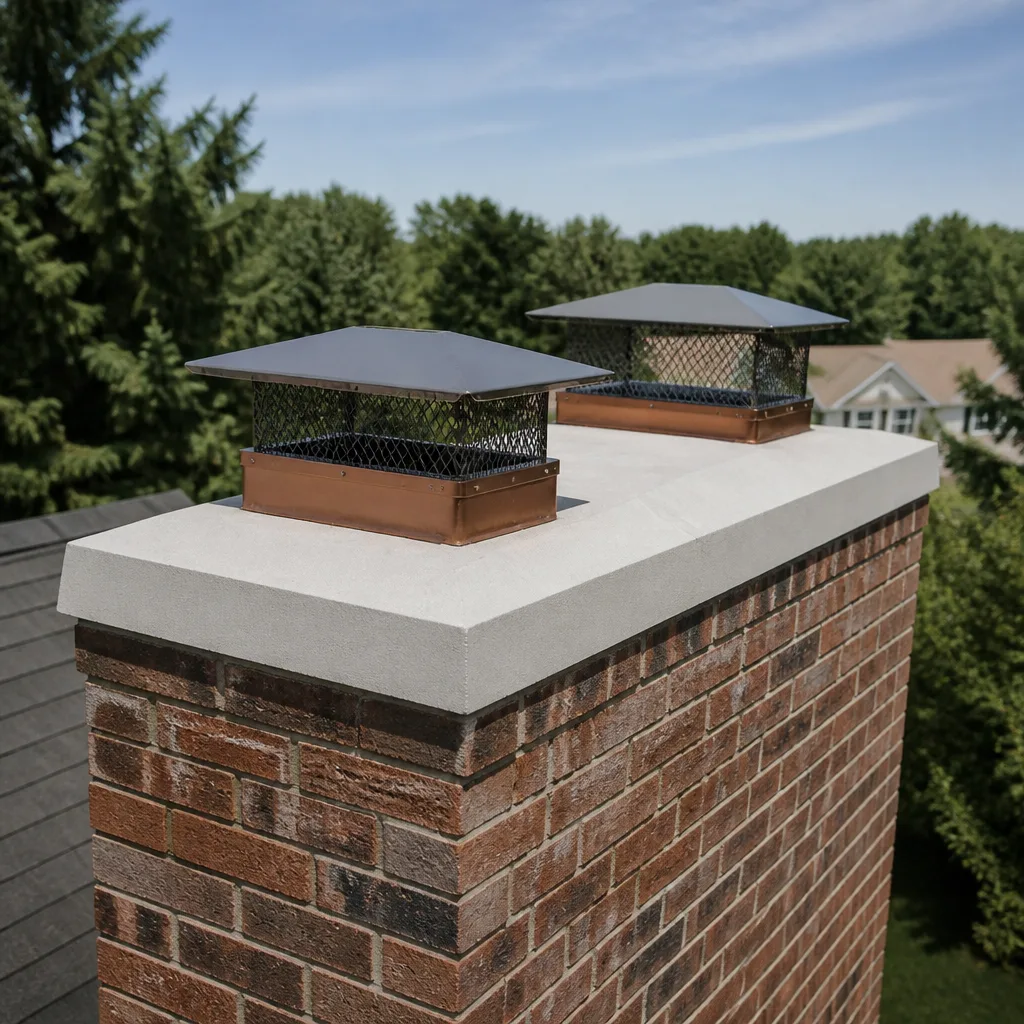 Caps & crowns
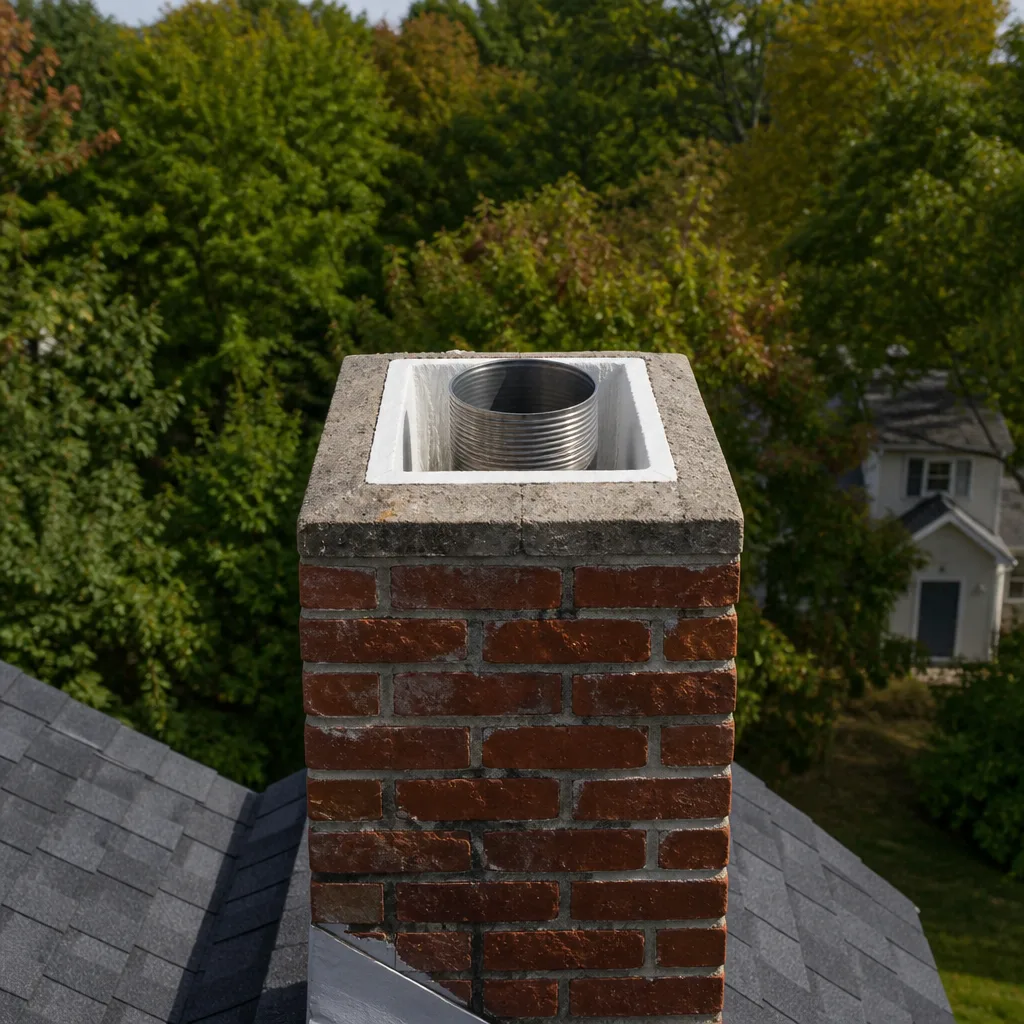 Flue relining
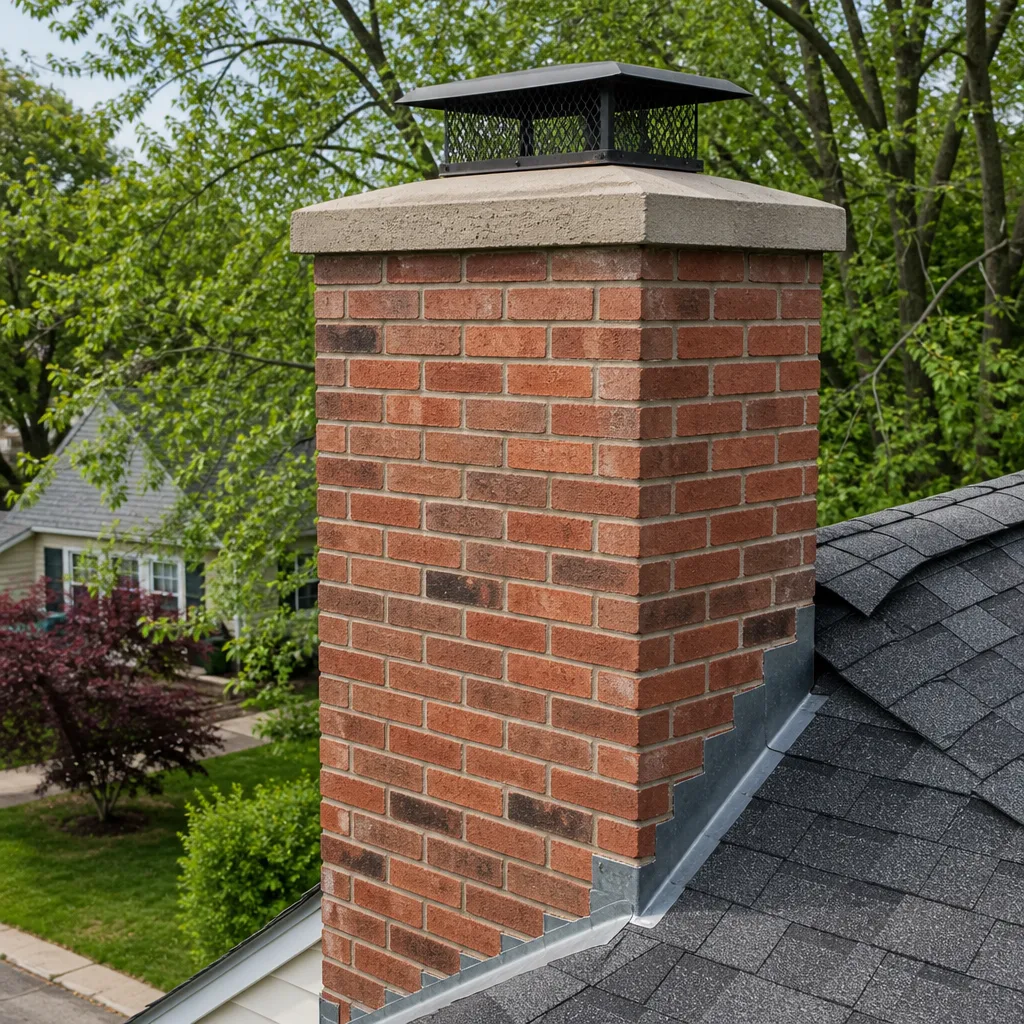 Masonry repair
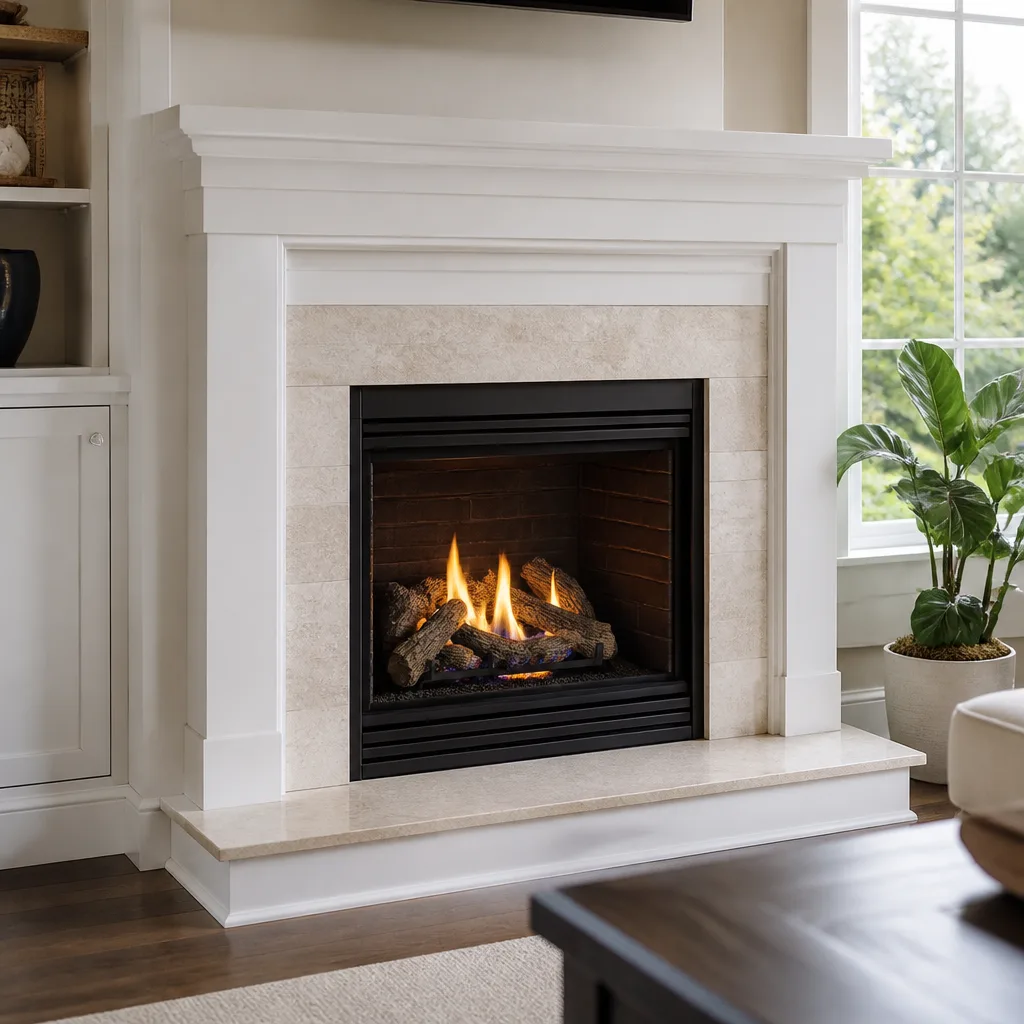 Gas fireplace service
Level 1 sweep and inspection to the NFPA 211 annual standard - flue, crown, cap, and flashing checked and photographed
Chimney sweep logs do not sweep chimneys. They loosen some creosote - which then falls where a brush and vacuum still have to collect it.
DIY vs Professional Chimney Cleaning: The Cedar Park Homeowner’s Decision Guide
Most Cedar Park homeowners who attempt their own chimney cleaning aren’t failing at the part they can see. They’re failing at the part they can’t. The first ten or twelve feet of flue above the firebox is straightforward to brush. The problem is that the heavy creosote accumulation in a Texas Hill Country fireplace rarely lives in that first ten feet. It collects in the smoke chamber, the offset angles, and the upper flue where the liner narrows and the draft cools the smoke enough to condense tar onto the walls. This guide explains what a homeowner can genuinely accomplish with consumer equipment, what requires professional tools and training, and how to decide which path makes sense for your fireplace, your schedule, and your insurance policy. For related reading, see our How to Hire a Chimney Cleaning Contractor in Cedar Park: A Step-by-Step Guide.
Quick Answer
DIY chimney cleaning in Cedar Park can remove loose soot and light creosote from the lower flue of an open masonry fireplace using a rotary kit like the Gardus SootEater, but it cannot assess liner condition, remove glazed third-degree creosote, or document the inspection that insurers and manufacturers require after a fire claim. Professional cleaning costs more because it includes diagnostic capability, not just brushing. Most Cedar Park homeowners who burn regularly should schedule a professional sweep and Level 1 inspection at least once per burning season, with DIY spot-cleaning in between only if they understand what the tools can and cannot reach.
Styles & brands we work with
Table of Contents
- The Capability Map: What DIY Actually Reaches
- Gardus SootEater and RotoFlue: The Legitimate DIY Tools
- Why Cleaning Without Inspection Is Incomplete
- The Insurance Claim Reality in Texas
- A Decision Framework Based on Your Fireplace
- What Professional Equipment Does That Consumer Gear Cannot
- Cedar Park Climate and Creosote: What It Means for Build-Up
- Common Mistakes to Avoid
- When to Call a Professional
- Frequently Asked Questions
The Capability Map: What DIY Actually Reaches
Before spending money on DIY equipment, a Cedar Park homeowner needs an honest answer to one question: what part of the chimney are you actually cleaning? Most people picture a straight vertical tube. The reality is more complicated. A masonry fireplace is a system with four distinct zones. The firebox is where the fire burns. The smoke chamber sits above the firebox, a funnel-shaped transition that narrows the flow of exhaust into the flue. The flue is the vertical liner that runs up through the house. The chimney crown and cap seal the top and keep rain and animals out.
Here is what a homeowner working from the roof or from below with a rotary rod kit can typically accomplish, and what they cannot:
- You can clean: the flue liner itself, from wherever the brush reaches until it exits the top of the chimney. With a flexible rod system, a homeowner on the roof can work a brush down through the full length of the flue and into the top of the smoke chamber.
- You can partially clean: the smoke chamber. A rotary brush head will knock some creosote off the chamber’s angled walls, but the irregular shape means even professional sweeps require specialized tools and often a vacuum running simultaneously to capture what falls.
- You cannot clean: the smoke shelf and the hidden recesses behind the damper. These areas collect creosote in a layer that a top-down brush never firmly contacts. This is where professional chimney sweeps in Cedar Park focus a disproportionate amount of effort, because it’s the area that catches fire most often.
- You cannot inspect: the interior of the flue for cracks, gaps, or delaminating tiles. A brush removes material. It does not tell you what the material was hiding. A cracked clay tile behind a layer of creosote is invisible to a homeowner running a brush down the flue. Without a camera inspection, it stays invisible until heat and gas find the crack.
The honest summary: DIY cleaning is a maintenance task, not a diagnostic one. It removes a portion of the combustible material from the path of the exhaust. It does not evaluate the structure that contains that exhaust. In many Cedar Park homes with chimneys built in the 1990s and early 2000s during the north Austin construction boom, that distinction matters. Clay tiles shift over time. Texas soil movement and summer heat cycling cause mortar joints to crack. A clean flue with a hidden gap is still a fire risk. A dirty flue with a structurally sound liner is safer than a clean one with a failed liner, and only a camera tells you which you have.
Gardus SootEater and RotoFlue: The Legitimate DIY Tools
We’re not going to tell you that every DIY chimney cleaning product is a gimmick. Some are genuinely capable. The two product lines worth naming by name are the Gardus SootEater and the Gardus RotoFlue. If you’re going to attempt your own chimney cleaning in Cedar Park, these are the tools that give you a fighting chance at doing more than knocking loose dust off the first few feet of flue.
The SootEater is a kit of flexible rods that attach to a standard cordless drill. The rods screw together into a long line with a rotating brush head at the end. Spinning the brush scrubs the flue walls as you feed the rods up from below or down from above. The current versions of the SootEater run about $60 to $120 depending on the kit length and whether it includes additional rod segments. The RotoFlue is the same concept built for round metal liners in factory-built fireplaces and wood stove installations. The heads are matched to the liner diameter.
The legitimate use case for these tools is between professional cleanings. If you burn a cord of oak or mesquite per winter season in Cedar Park and notice light flaky creosote building up by January, running a SootEater through the flue can knock that layer down before it bakes into second-degree tar. That is a reasonable application. The limitations are equally clear:
- No vacuum capture. Professional chimney sweeps run a commercial HEPA vacuum with dual filtration while brushing. The vacuum pulls loosened creosote out of the firebox and the smoke chamber as the brush works. Without a vacuum, a SootEater lets creosote fall onto the smoke shelf and the firebox floor. You clean the flue walls and load the smoke shelf. Some of that material will eventually burn off. Some will sit there and accumulate. The next professional visit will find a smoke shelf full of what your DIY cleaning deposited.
- No inspection camera. The SootEater removes material. The camera shows cracks, gaps, and spalling tiles after the material is gone. You cannot run a SootEater and call the chimney inspected. You ran a cleaning. A inspection requires a visual evaluation of the entire flue system, including the parts you could not see from your angle of access.
- Liners and offsets are a problem. In a straight flue, the SootEater performs predictably. In a flue with an offset, the flexible rods bend and the brush head loses contact with the wall on the outside of the bend. These are exactly the spots where creosote condenses fastest because turbulence slows the exhaust at the angle. The tool works least well in the places that need cleaning most.
The summary we give Cedar Park homeowners: if you already understand your chimney’s condition from a recent professional inspection, and you want to extend the interval between cleanings rather than eliminate professional service entirely, a SootEater is a reasonable tool. If you have never had a camera inspection and you are trying to avoid hiring a chimney professional, you are removing visible material while remaining blind to the system’s actual condition.
Why Cleaning Without Inspection Is Incomplete
The biggest difference between DIY and professional chimney cleaning is not the quality of the brushing. It is the definition of the job. A professional sweep in Cedar Park is two tasks performed together: the physical removal of creosote and the evaluation of the liner, smoke chamber, chimney crown, flashing, damper, and cap. The cleaning gives you a safe chimney for the next fire. The inspection gives you the information you need to know whether the chimney will still be safe fifty fires from now.
Think about it this way. Creosote removal without liner assessment is the equivalent of repainting a bathroom wall without checking whether the drywall behind it is water-damaged. The paint looks better. The problem behind the paint is still there, still getting worse, and now you have a false sense of security. The CSIA defines three levels of chimney inspection. Level 1 is a visual inspection of the accessible portions of the chimney interior and exterior, performed during routine cleaning. Level 2 adds camera inspection of the flue interior and is required when you change fuel types, purchase a home, or experience a chimney fire. Level 3 involves opening walls or removing portions of the chimney structure to access concealed areas.
A professional chimney sweep in Cedar Park should always include a Level 1 inspection as part of the standard cleaning. At Ashton Chimney, the camera goes up every flue we clean. Not because every flue has a problem, but because we cannot tell you which ones do without looking. A cracked clay tile in the upper flue in a Buttercup Creek home will not announce itself. A deteriorating mortar joint in the smoke chamber will not leave a sign on the mantel. The camera shows it. That is the difference between a service that removes creosote and a service that evaluates the system.
When we find damage during an inspection, the conversation shifts from cleaning to repair. That is where the professional brands come in. A cracked flue in a masonry chimney can sometimes be restored with HeatShield, a cerfractory material applied through the flue interior to seal gaps and resurface damaged tiles. In more advanced cases, a DuraFlex stainless steel liner system provides a new flue wall inside the old chimney. Neither of these repairs is possible from a DIY cleaning. The inspection is the gateway to knowing whether you need them at all. Skipping the inspection does not save you the cost of the repair. It just delays the discovery until after the failure.
The Insurance Claim Reality in Texas
Here is a conversation no Cedar Park homeowner wants to have with their insurance adjuster: “When was the chimney last professionally inspected?” If the answer is “I cleaned it myself last fall,” the claim gets complicated. The insurer is not asking whether you cleaned it. They are asking whether a qualified professional documented the condition of the system. The distinction matters.
Most homeowners insurance policies in Texas cover chimney fire damage under the general fire peril. But insurance is a contract of good faith, and the insurer will evaluate whether the homeowner exercised reasonable maintenance. A documented professional inspection creates a paper trail showing diligence. A DIY cleaning creates no paper trail. If a chimney fire occurs and the investigation finds heavy creosote accumulation in areas the homeowner could not reach, the lack of a professional inspection becomes a factor in the claim evaluation. We are not attorneys and this is not legal advice. The pattern across fire claims in Texas is clear enough that every Cedar Park homeowner should treat a professional inspection as an insurance document as much as a safety service.
There is a second insurance dimension that gets less attention. If you have a factory-built fireplace, the manufacturer’s warranty and installation manual almost always specify that the chimney must be inspected and cleaned by a qualified professional at least annually. DIY cleaning does not fulfill that requirement. If a factory-built fireplace or its chimney fails and causes a fire, the manufacturer’s position will be that the warranty maintenance requirement was not met. That puts the full financial weight of the damage on the homeowner. The manufacturer does not care that you ran a SootEater through the flue. They care that a qualified professional documented the inspection.
Our position at Ashton Chimney is straightforward. If you want to run a SootEater between professional visits to extend the cleaning interval, that’s your call and the tool will knock down light creosote. Do not let the DIY cleaning substitute for the documented inspection. The cleaning removes material. The inspection creates the paper trail. Your insurance policy and your fireplace manufacturer expect the paper trail.
A Decision Framework Based on Your Fireplace
There is no single correct answer to the DIY versus professional question. The right approach depends on what type of fireplace you have, how often you burn, and when the system was last inspected by a professional. Here is the framework we give Cedar Park homeowners who call us asking for an honest recommendation.
Step 1: Identify your fireplace type
- Open masonry fireplace with a clay tile liner. This is the highest-risk type for creosote accumulation, especially in the smoke chamber. DIY cleaning reaches only part of the system. Professional cleaning with a camera inspection is the right default for regular burning.
- Factory-built fireplace with a metal chimney. These systems are designed for tighter clearances and higher temperatures, but the metal liner still collects creosote. The Gardus RotoFlue is matched to round metal liners and can do a reasonable job on light build-up, but the same limitation applies: no camera, no smoke chamber access, no documentation.
- Wood stove or insert with a stainless steel liner. This is the easiest type for a homeowner to clean with a SootEater, because the liner is round, continuous, and typically insulated. But the liner is also the only thing protecting the structure from flue temperatures, so its condition is critical. A pinhole or seam separation on an older liner is not visible from the top or bottom. Camera inspection matters more, not less.
- Gas fireplace with a direct vent or B-vent system. DIY cleaning is largely irrelevant here, because gas fireplaces do not produce creosote. The maintenance concern is refractory panel condition, burner operation, and vent joint integrity. Professional inspection is still part of the manufacturer’s maintenance schedule, but the cleaning component is minimal.
Step 2: Assess your usage
The National Fire Protection Association recommends a professional inspection and cleaning when creosote reaches one-eighth inch of accumulation. In practical terms for Cedar Park homes: if you burn one to two cords of wood per winter season in an open masonry fireplace, you should schedule a professional cleaning annually before the burning season starts in late October. If you burn more than two cords, or you burn green oak which our Central Texas oak trees produce in abundance, mid-season cleaning may be necessary. If you burn a dozen fires for ambiance on weekends, a professional cleaning every other year with a DIY SootEater run in between is a defensible approach. But the baseline inspection still needs to exist first. See our Seasonal Chimney Cleaning Care for Cedar Park: Year-Round Homeowner’s Guide for timing recommendations.
Step 3: Check your inspection history
- Professionally inspected with camera within the last 12 months, no damage noted. You have a baseline. A DIY SootEater run to knock down light creosote between professional visits is a reasonable maintenance step.
- Inspected more than 24 months ago, or never since you bought the house. Do not start with DIY. Start with a professional cleaning and camera inspection. You need the baseline before you can safely extend intervals. Most Cedar Park homes change ownership without any chimney documentation transferring to the buyer. If you cannot produce an inspection report, assume there has never been one.
- Had a chimney fire at any point. Professional inspection is not optional. A chimney fire can crack tiles, warp metal liners, and compromise mortar joints. The chimney may look fine from the outside. A camera is the only way to know. Ashton Chimney handles chimney repair in Cedar Park for exactly this scenario on a regular basis.
Step 4: Be honest about access
Can you safely access your roof? Cedar Park roofs are steep enough that the fall risk is real. A steep pitch, clay tile roof, two-story structure, or any roof access combined with a fear of heights should end the DIY conversation immediately. The cost of a professional cleaning is less than the deductible on a fall injury. No amount of SootEater savings justifies a broken hip during the first cold snap of burning season. If roof access is not a factor because you plan to work from below, understand the limitations: working from below through the firebox means the creosote you dislodge falls onto the smoke shelf and firebox rather than being vacuumed out. You are moving the problem, not eliminating it.
What Professional Equipment Does That Consumer Gear Cannot
The equipment gap between a Gardus SootEater kit and a professional chimney sweep’s loadout is not a matter of brand loyalty or gatekeeping. It is a matter of capability. A homeowner with a drill-powered rotary brush can remove material from a straight flue. A professional with a commercial vacuum, camera system, and full brush inventory can remove material from every part of the system while seeing what the material was covering. Here is the breakdown.
Vacuum capture. Professional sweeps run commercial vacuums with true HEPA filtration rated for fine particulate. The vacuum runs continuously during the cleaning, pulling loosened creosote out through the firebox opening and keeping airborne particulate out of the home. A homeowner with a SootEater and a shop vac with a drywall filter bag is not achieving the same level of particulate control. Creosote dust is a respiratory irritant. The dust also settles on floors, furniture, and window sills throughout the house. The plastic sheeting and tape setup that a DIY cleaning requires is more labor than most homeowners expect, and the clean-up afterward often equals the cleaning time itself.
Inspection cameras. The camera system is the single biggest difference. A professional chimney sweep in Cedar Park should run a camera up the flue after the brushing is complete, showing the homeowner the condition of the liner, the smoke chamber, and the chimney top. You see what we see. If the flue is clean and intact, the camera verifies it. If there’s a crack, a gap, or a damaged tile, the camera shows where it is and how big it is. A homeowner with a SootEater sees only the material the brush removed. The condition of the chimney structure remains invisible.
Brush inventory matched to the flue. Professional sweeps carry brushes in multiple materials and sizes. Poly brushes for clay tile liners. Wire brushes for metal liners. Specialty brushes for rectangular flues and oversized masonry chimneys. The brush is selected to match the liner material, because using the wrong brush can damage the flue. A poly brush on a stainless steel liner is abrasively damaging over time. A wire brush on a clay tile liner in a chimney with offset angles can chip tiles. The SootEater ships with one brush head matched to the kit, not to your liner. That is a relevant difference when a liner replacement costs several thousand dollars.
Detection of what the brush dislodged. When a professional sweep cleans a Cedar Park chimney, the vacuum captures what falls and the sweep sees what comes out. The volume and type of creosote tell a story. Heavy third-degree glazed creosote is a warning sign of low-temperature fires and poor draft. A large accumulation in the smoke chamber suggests the homeowner has been burning unseasoned wood. The professional process includes evaluating what the cleaning removed, not just finishing the brushing and packing up. That diagnostic feedback loop is absent from DIY cleaning.
Cedar Park Climate and Creosote: What It Means for Build-Up
Cedar Park sits in a climate zone that creates specific creosote conditions. We are not in the humid pine-burning climates of East Texas where creosote forms from smoking wood. We are also not in the dry high-altitude climates of Colorado where creosote stays flaky and manageable. Central Texas is humid in the early burning season and dry in the late season, and the temperature swings through winter are wide enough that a chimney cools substantially overnight. Condensation is a fact of life here, and condensation is what turns smoke particulate into creosote.
The wood we burn locally matters too. Live oak and post oak are the dominant hardwoods in Cedar Park, and both are excellent firewood when properly seasoned. The catch is that Central Texas humidity makes seasoning harder than it sounds. Oak cut in one winter and split for the next is usually not ready to burn by the following November. The moisture content stays above twenty percent. Wet oak burns cooler and smokes more, and cooler smoke condenses more creosote on the flue walls. A Cedar Park homeowner burning two-year seasoned oak has a cleaner chimney than a neighbor burning one-year seasoned oak from the same woodpile. The difference shows up as heavier build-up in the upper flue, exactly the area that DIY cleaning reaches least effectively.
There is also a cedar factor. Cedar Park got its name from the juniper trees that cover the Hill Country, and many homeowners burn juniper or cedar as kindling because it catches quickly. Cedar is resinous and produces a hot, fast-burning flame. That is fine for kindling. Burning large pieces of cedar as primary fuel produces high temperatures in the firebox but cooler smoke at the flue top, and the resins in cedar smoke condense into a sticky creosote that hardens quickly into second-degree tar. That hardened tar will not come off with a SootEater brush. It requires chemical treatment or professional rotary equipment with polymer-head action. If you burn cedar, be aware that your flue is collecting a harder creosote than your oak-burning neighbors.
The pattern we see across Cedar Park service calls: the higher the neighborhood, the more temperature swing the chimney experiences overnight. Homes in the higher elevations near the Balcones Canyonlands Preserve see flue temperatures drop faster after the fire dies, which means more condensation cycles per season. The net effect is that Cedar Park chimneys tend toward second-degree creosote accumulation faster than Austin homes at the same latitude. Professional cleaning once per season is the realistic baseline for regular burners.
Common Mistakes to Avoid
- Assuming a clean flue equals a safe chimney. A SootEater can remove enough creosote to make the flue look clean, but the smoke chamber, smoke shelf, and damper area are still loaded. The dirtiest part of the system is the part you did not reach.
- Burning a chemical creosote log as a substitute for cleaning. Creosote sweeping logs change the chemistry of the creosote and can make it more brittle, but they do not remove it. The material still has to be brushed and vacuumed out. A chemical log without mechanical cleaning is the same as applying oven cleaner without wiping the oven.
- Cleaning from below without sealing the firebox. Creosote dust will find its way into the living room if the firebox opening is not taped off with plastic sheeting. A shop vac running at the firebox opening helps, but the dust that escapes becomes a cleaning project of its own.
- Ignoring the smoke chamber because you cannot see it. The smoke chamber is where Cedar Park chimney fires start. A DIY cleaning that focuses on the flue walls while ignoring the smoke chamber is analogous to vacuuming the living room while the kitchen floor is covered in grease.
- Skipping the chimney cap inspection. A missing or damaged cap lets rain into the flue, which mixes with creosote to create acidic liquid that deteriorates mortar joints. Birds and squirrels nesting in the upper flue in Cedar Park neighborhoods with mature oaks are a common problem. A cap check is part of every professional cleaning.
- Treating a DIY clean as a reason to skip the professional interval. The SootEater extends the interval between professional cleanings. It does not replace the professional inspection. If you run the SootEater in January and think that counts as your annual maintenance, you are betting that the chimney has no hidden damage. That is a bet with asymmetric downside.
- Assuming factory-built fireplaces do not need cleaning. The metal liners in factory-built units collect creosote just like masonry flues. The difference is that the metal is thinner and less tolerant of heat damage. A factory-built chimney in a Cedar Park tract home built in the early 2000s needs the same professional attention as a masonry chimney in an older custom home.
When to Call a Professional
Some situations do not have a DIY option worth considering. If you smell smoke in the house when the fireplace is not in use, something is wrong with the draft or the damper. If you see visible creosote dripping down the flue walls or pooling at the smoke shelf, that is third-degree glazed creosote and it will not come off with a consumer brush. If you hear falling debris when the chimney heats up, tiles may be spalling. If you have had a chimney fire, even a small one, the liner integrity is compromised until proven otherwise. If you bought a home in Cedar Park and cannot produce a chimney inspection report from the seller, assume the chimney has not been inspected in years. These are the scenarios where a professional cleaning and camera inspection is the only responsible course of action. Ashton Chimney offers free estimates in Cedar Park. Call (855) 507-9184 to schedule a sweep and inspection before the burning season.
Frequently Asked Questions
Professional chimney cleaning in Cedar Park typically costs between $180 and $340 depending on the type of fireplace, the level of creosote accumulation, and whether the flue has accessible roof or internal access. The price includes the brushing, vacuum removal, and a Level 1 inspection. Additional services like a camera inspection, cap replacement, or creosote treatment with a product like the professional-grade removers from suppliers like Gelco add to the total. Call (855) 507-9184 for an exact quote based on your fireplace type and home.
You can clean the lower flue and firebox from inside the house using a bottom-up rotary kit, but the smoke chamber and upper flue will not be effectively cleaned, and the creosote you dislodge will fall onto surfaces you cannot access. The bottom-up method works best as a supplement to professional cleaning, not as a replacement. Professional sweeps in Cedar Park work from below in many cases, but they run a commercial vacuum simultaneously to capture what falls and they use camera inspection to verify the entire system is clean.
Gas fireplaces do not produce creosote, so the cleaning component of gas fireplace maintenance is minimal. What gas fireplaces need is an inspection of the venting system, the refractory panels, the burner operation, and the vent joints. A gas fireplace that has never been inspected can develop vent joint separation or panel deterioration that puts combustion gases into the living space. The inspection interval for gas fireplaces is annual per most manufacturer guidelines, but the cleaning is focused on dust and debris rather than creosote.
Skipping cleaning allows creosote to accumulate through multiple burn seasons. First-degree flaky creosote hardens into second-degree tar, then into third-degree glazed creosote that is highly concentrated fuel. The chimney fire risk rises with each layer. The longer the creosote sits, the more it corrodes the liner, which means the repair bill grows alongside the safety risk. In a Cedar Park climate where condensation cycles are frequent, skipping two or three seasons usually results in second-degree accumulation that cannot be removed with consumer equipment.
Yes. Cleaning removes material. Inspection evaluates the structure the material was on. A homeowner can run a SootEater through a flue for years and never know that a clay tile cracked behind the creosote layer. The camera inspection is what catches that. The inspection is also what your insurance company and fireplace manufacturer require as documentation of diligent maintenance. The cleaning and the inspection are two different functions. DIY covers half of one function. Professional service covers both. Call (855) 507-9184 to schedule a sweep with camera inspection in Cedar Park.
A creosote sweeping log is a chemical treatment that changes the structure of some creosote deposits, making them more brittle and easier to remove with a brush. It is not a substitute for mechanical cleaning. The log does not remove creosote; it prepares it for removal. If you burn a sweeping log and then do not brush the flue, the material is still there. In a Cedar Park chimney with second-degree hard tar, the log will have limited effect. The responsible sequence is a professional cleaning first, then optionally using treatments like Gelco anti-creosote spray to slow future accumulation between cleanings. Browse more guides & resources on chimney maintenance and safety.
The Bottom Line
The DIY versus professional chimney cleaning decision comes down to two questions no homeowner should have to guess about: what is the actual condition of the liner, and what is accumulating in the parts of the chimney you cannot reach? A SootEater kit in the hands of a careful homeowner can remove light creosote from a straight flue. It cannot assess the liner, clean the smoke chamber thoroughly, capture the loosened creosote, or document the inspection that insurers and manufacturers expect. The professional service costs more because it does all of those things and gives the homeowner a paper trail that matters if a fire ever happens. In Cedar Park, where oak and cedar fires are part of winter life and the temperature swings push chimneys toward heavier creosote accumulation, the professional baseline is once per season for regular burners, with DIY supplementation in between for those who want to extend the interval. If you have not had a camera inspection in the last two years, start there. The cleaning is the easy part. Knowing what the chimney actually needs is the real service. Call (855) 507-9184 to schedule a sweep and inspection before the burning season starts.
Written by the team at Ashton Chimney, serving Cedar Park since 2014.
See the difference
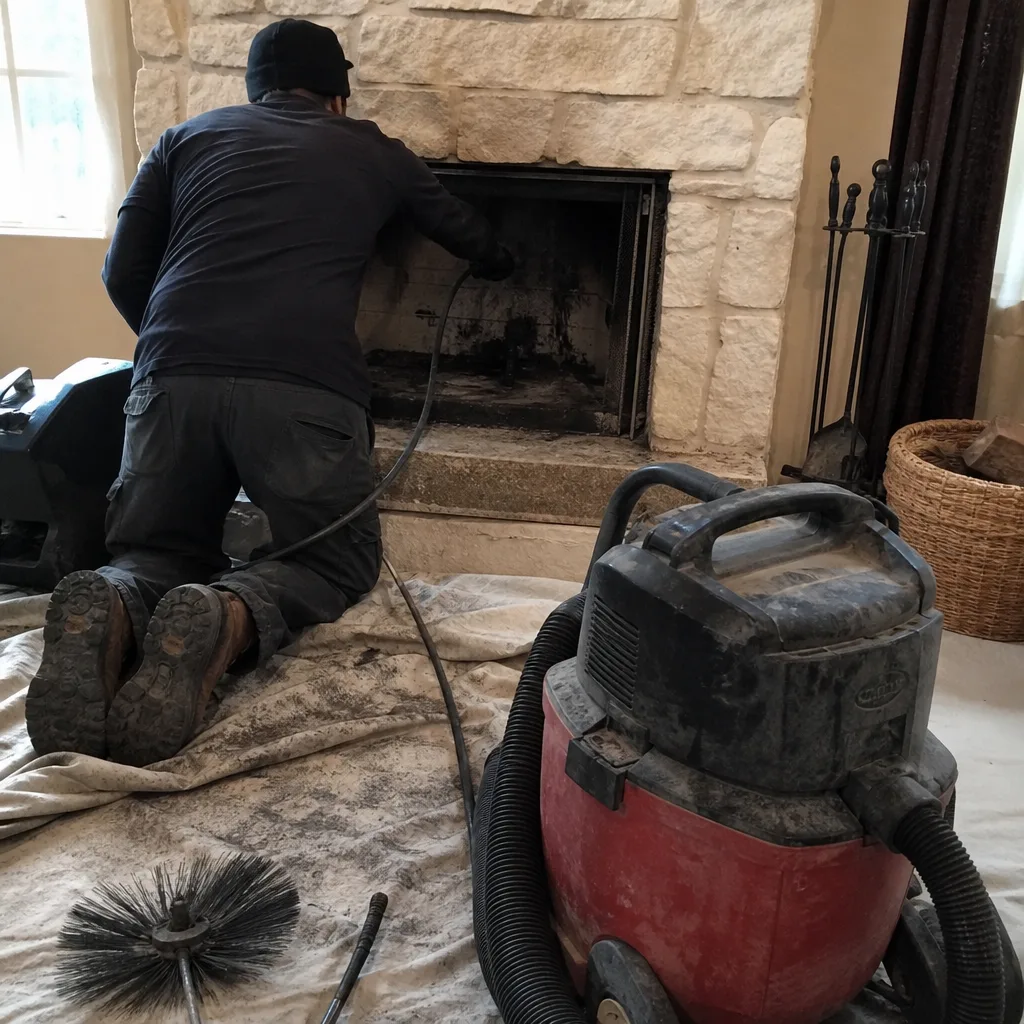 Before
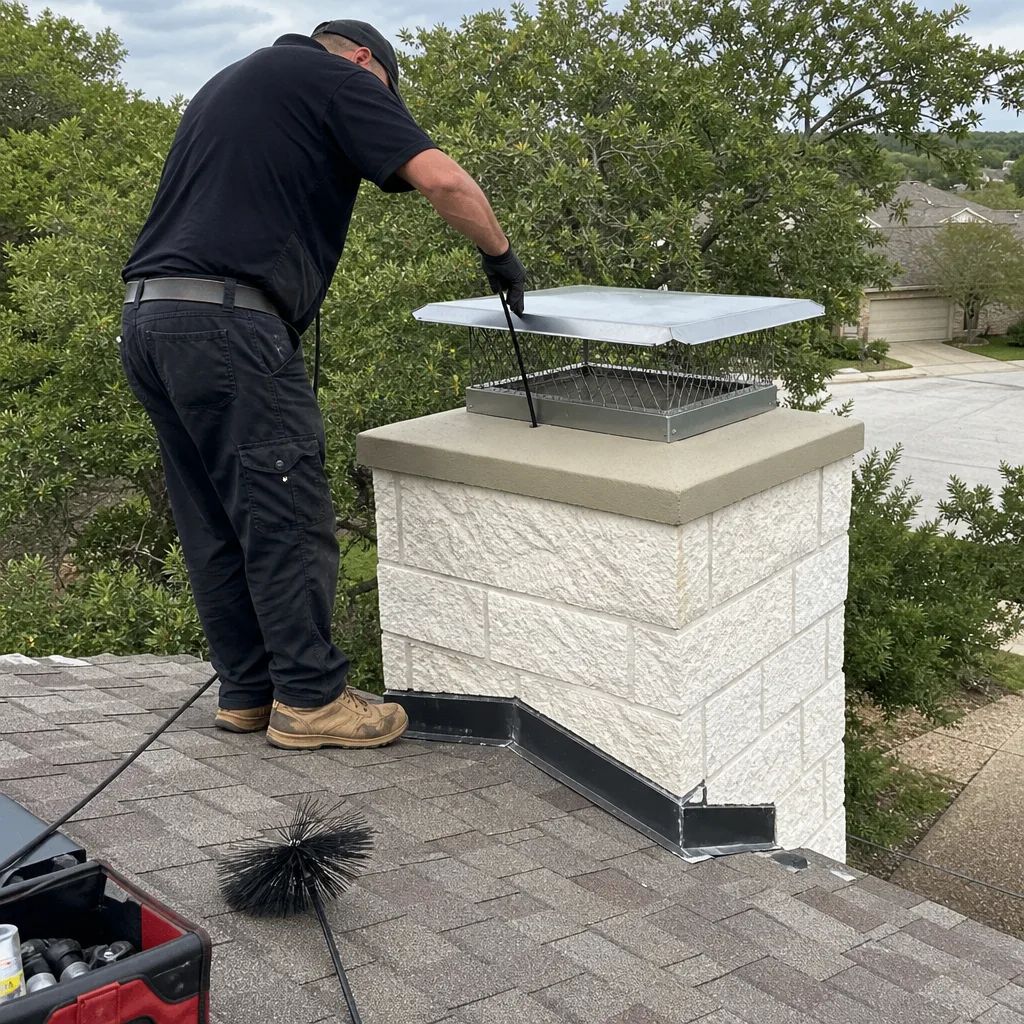 After
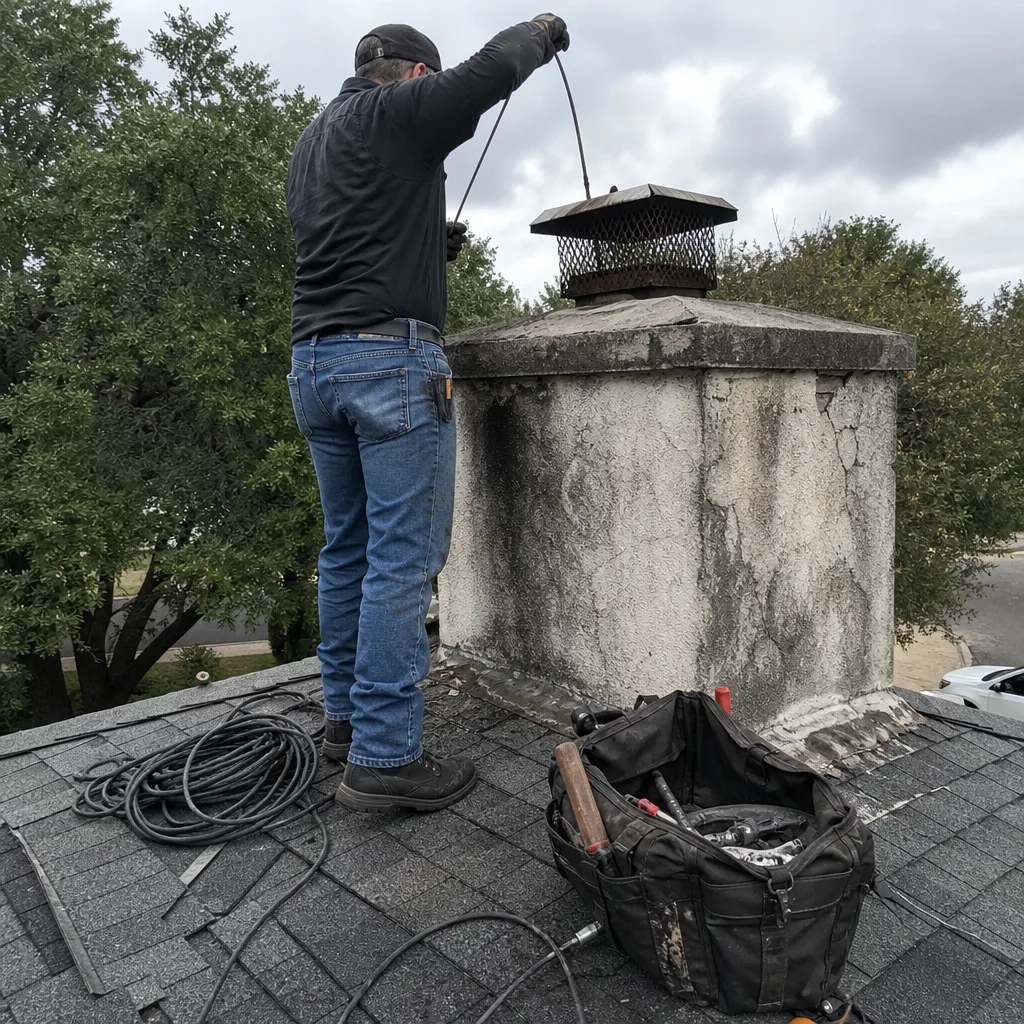 Before
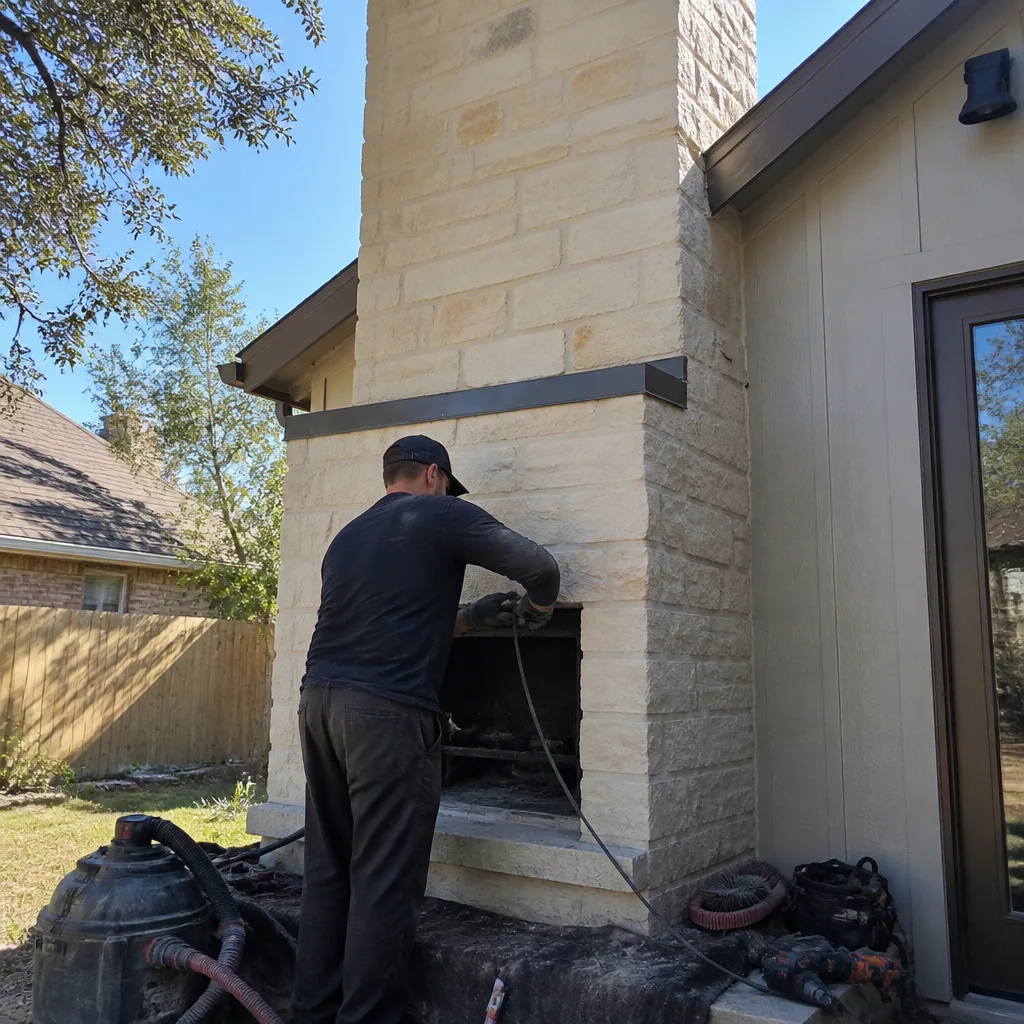 After
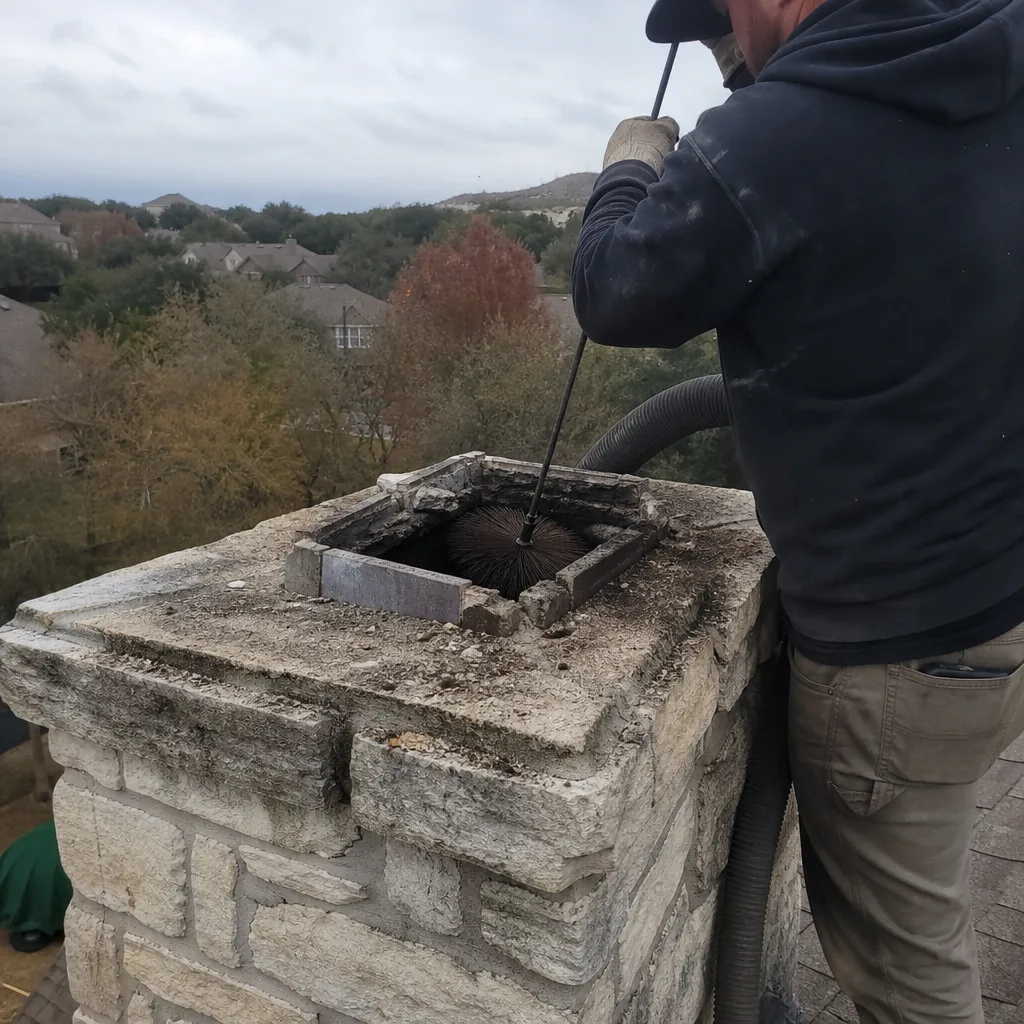 Before
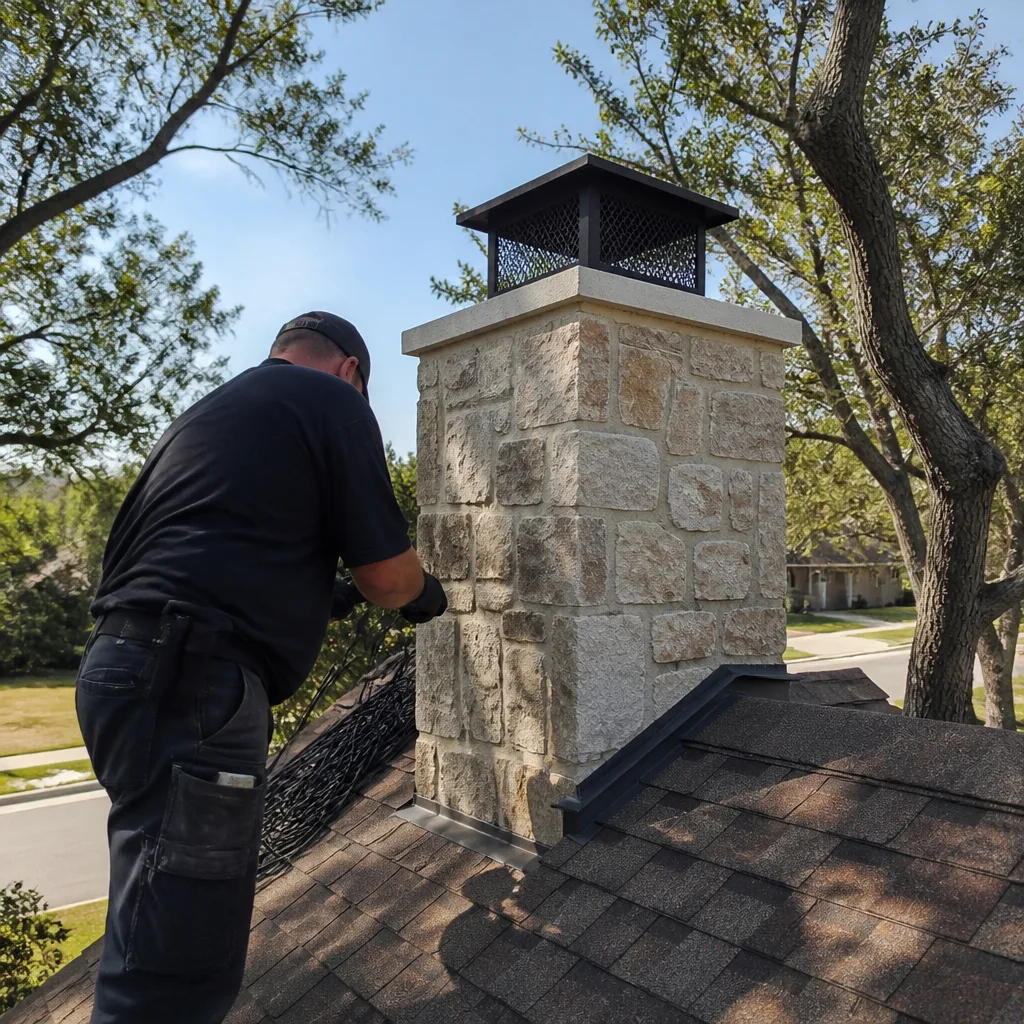 After