

 Sweep & inspection
 Caps & crowns
 Flue relining
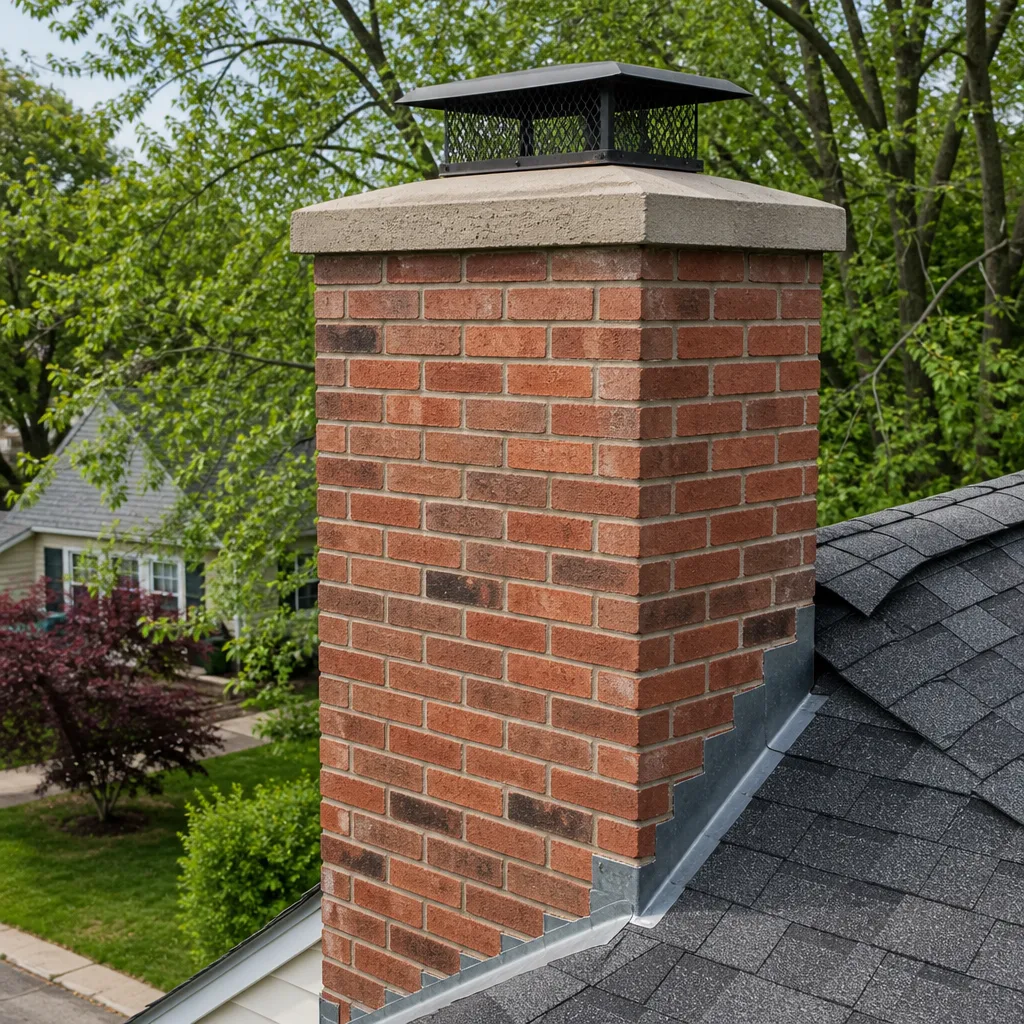 Masonry repair
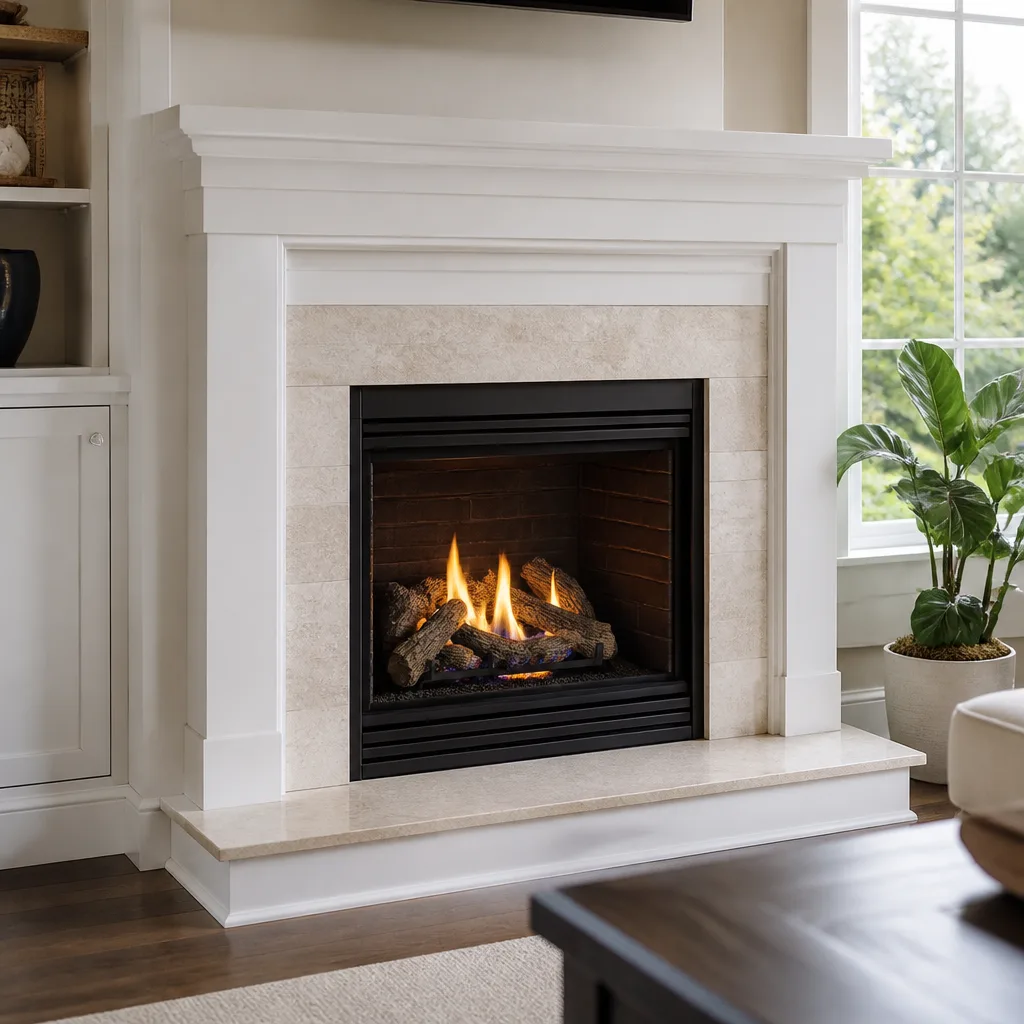 Gas fireplace service
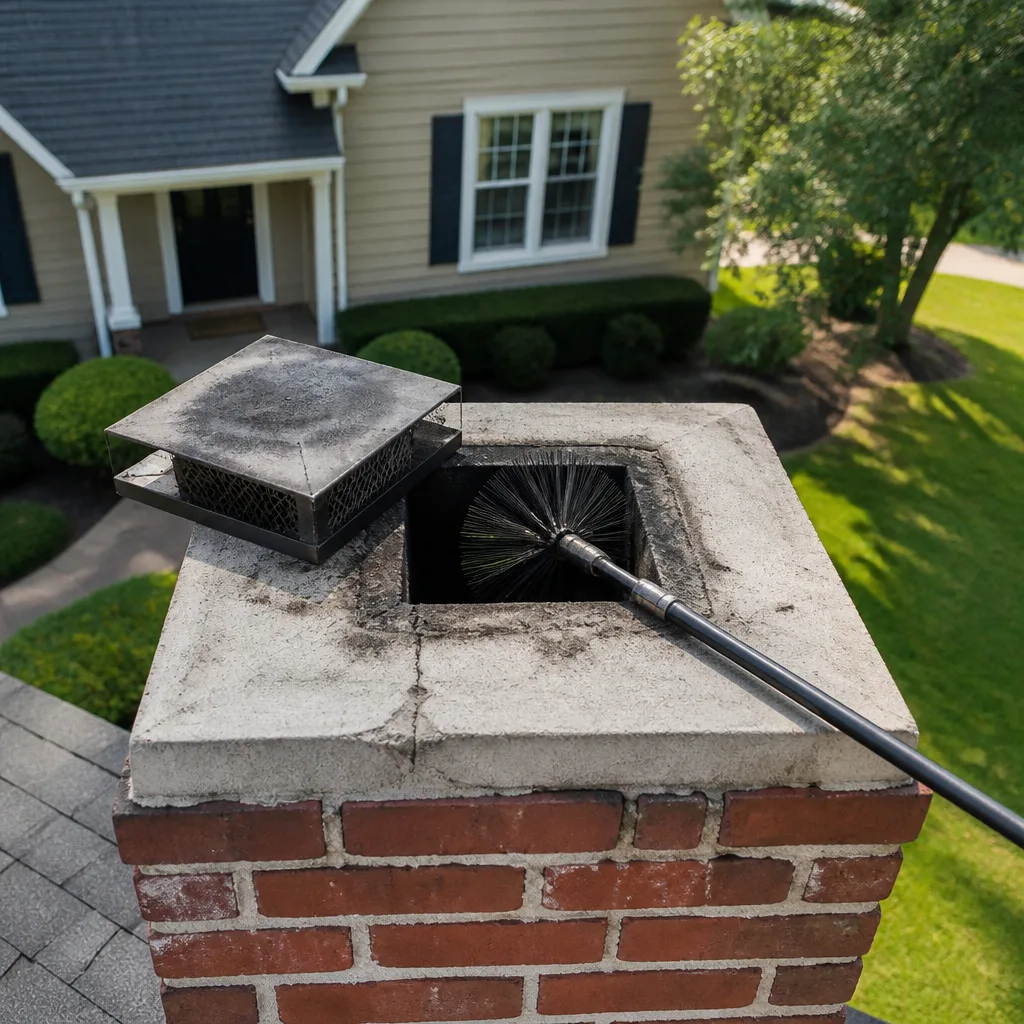
Level 1 sweep and inspection to the NFPA 211 annual standard - flue, crown, cap, and flashing checked and photographed
Chimney sweep logs do not sweep chimneys. They loosen some creosote - which then falls where a brush and vacuum still have to collect it.
HeatShield Chimney Cleaning in Lost Creek, TX | Ashton Chimney
We provide independent HeatShield chimney cleaning and refractory repair across Lost Creek, and the work here differs from other Hill Country towns for one reason: wildfire. If you need Barton Creek HeatShield service, you’ll face similar risks, but our Lost Creek approach is tailored to this specific terrain. Most Lost Creek flues burn hot through mild winters, then sit dormant through six months of heat that hardens creosote into a compound our rotary whips have to fight. If you’re looking at a HeatShield-lined flue that’s pulling poorly or showing flue-gas staining, call Ashton Chimney at (855) 507-9184.
Why Lost Creek Residents Choose Us for HeatShield Service
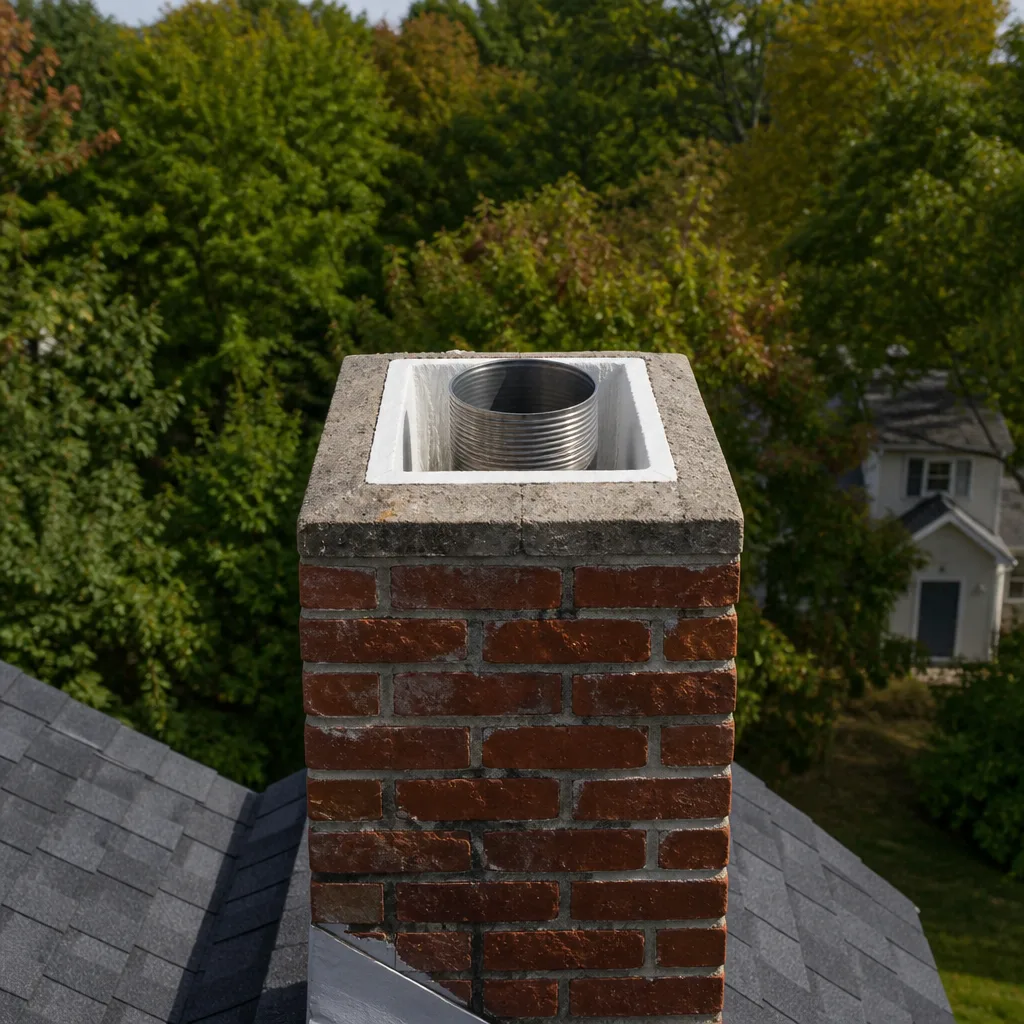
HeatShield cerfractory lining is a specific product with specific curing chemistry. We’ve installed and repaired it in Lost Creek long enough to know what happens when a castable refractory surface gets wheeled out over a soot-contaminated flue, or when a firebox wall takes a winter of hard open-hearth burns and then bakes through August. Nolan Pruett, our owner, grew up in Cedar Park’s Buttercup Creek neighborhood and trained in combustion systems through ACC’s Building Trades program before spending fifteen years pulling creosote out of Austin-area flues. He’s the one who reads the HeatShield surface after a Lost Creek freeze-thaw cycle and tells you whether it’s still bonded, still code-compliant, or ready for a re-coat. Homeowners seeking HeatShield repair in Austin get the same trained eye, since Nolan spent fifteen years working those flues before focusing here. We name the products we install – HeatShield Cerfractory, HeatShield Regio-Nano, DuraFlex stainless – because you should know exactly what’s going into your home, not just that “a liner” got fixed.
Styles & brands we work with
Common HeatShield Chimney Cleaning Problems We Solve in Lost Creek
- Delaminated HeatShield from soot-contaminated prep. When cerfractory gets applied over a flue that still holds a baked-on creosote glaze, it doesn’t bond. The surface bubbles and peels within two seasons. Hot, dry Lost Creek summers accelerate that failure because the lining can’t expand and contract against the underlying clay tile without losing adhesion. We prep the flue until it’s mechanically clean before any resurfacing goes in.
- Spalled firebox walls from hard winter use on 1970s prefab boxes. Lost Creek ranch homes from the 1970s and ’80s came with prefab metal fireboxes that were never engineered for 40 years of decorative open-hearth burning. The castable refractory walls crack when the box heats and cools sharply, then the cracks widen through summer idling. We repair with HeatShield Thermo-Mix rather than defaulting to a full insert replacement.
- Thin HeatShield at the smoke chamber and flue shoulder. If a lining was applied with a low-build pass or cured too fast, it’s thinnest right where hot gases change direction. In Lost Creek two-story homes with long flue runs, that’s where combustion-gas leakage and moisture intrusion show up first. We find it during cleaning and mark it on the camera report before it becomes a bigger bill.
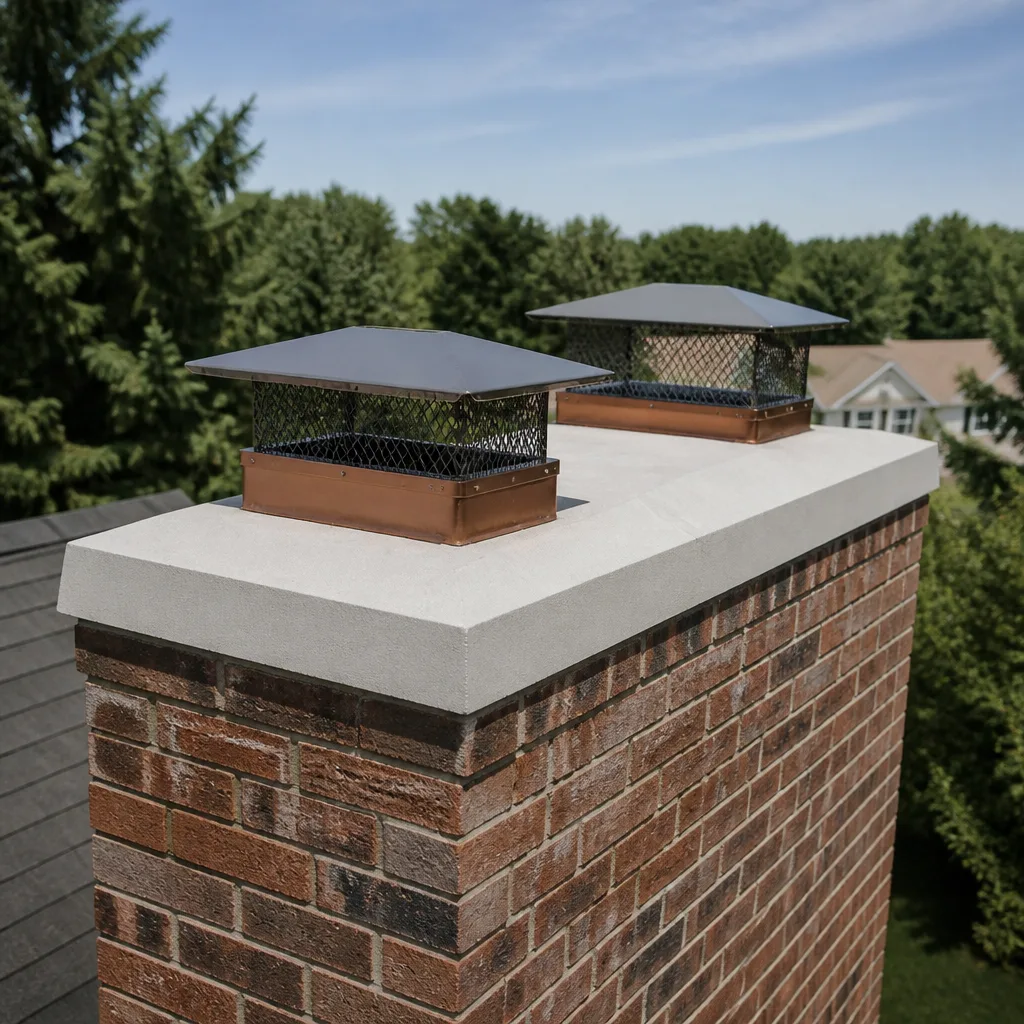
- Missing or failed spark arrestor caps. Live oak and cedar brush surround nearly every Lost Creek lot. When a spark arrestor screen clogs with oak litter or corrodes through, embers can exit the flue. We cap and screen every HeatShield-lining job we complete here because wildfire interface isn’t theoretical on these streets.
- Nested flues from long dormant seasons. Squirrels, chimney swifts, and the occasional raccoon take over a flue that sits quiet from March to October. We’ve pulled nests out of HeatShield-lined chimneys where the refractory surface was fine but the blockage was the only thing between the homeowner and a chimney fire.
HeatShield Service in Lost Creek: What Local Conditions Mean for Your Equipment
Here’s the thing that makes HeatShield work different in Lost Creek compared to Cedar Park or Leander: the live oak canopy. Lost Creek sits in oak and cedar heavy terrain where leaves, twig litter, and acorn debris blow onto roofs and settle into chimney caps year-round. If the original 1970s cap or spark arrestor is missing, all that organic material drops into the flue and packs against the refractory surface. Then the next fire you light, that debris ignites inside the flue and superheats the HeatShield lining. A refractory surface that would pass inspection in a cleared-lot neighborhood can crack here because the flue environment is so much dirtier between sweepings. That’s why our HeatShield cleaning service in Lost Creek almost always ends with cap inspection, screen replacement, or a full spark-arrestor multi-flue cap install. It’s not an add-on – it’s the reason the lining survives.
HeatShield Models & Products We Service in Lost Creek
We work with the full HeatShield product family as an independent service provider – not as a manufacturer-authorized shop, but as a contractor who’s relined enough flues in the 78746 to know when each material earns its place. HeatShield Cerfractory Flue Sealant for castable resurfacing of masonry flues. HeatShield Regio-Nano for firebox and flue joint mortar repair. HeatShield Thermo-Mix for rebuilding cracked firebox walls. We stock all three product lines in our local service vehicles because Lost Creek turnaround means showing up ready to work the same visit, not ordering refractory mix and rescheduling. For full HeatShield sales & service across the Hill Country, we’re set up to handle inspection, cleaning, and liner work under one roof.
See the difference
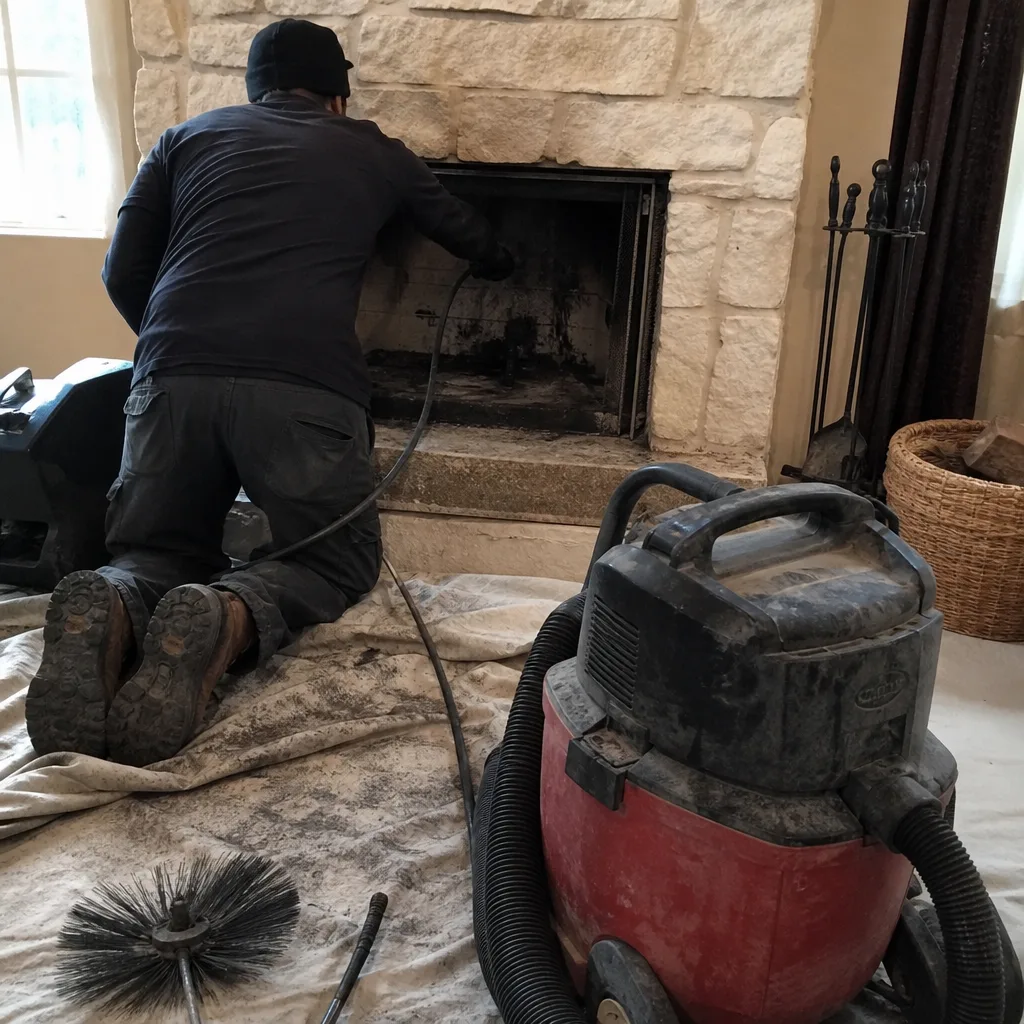 Before
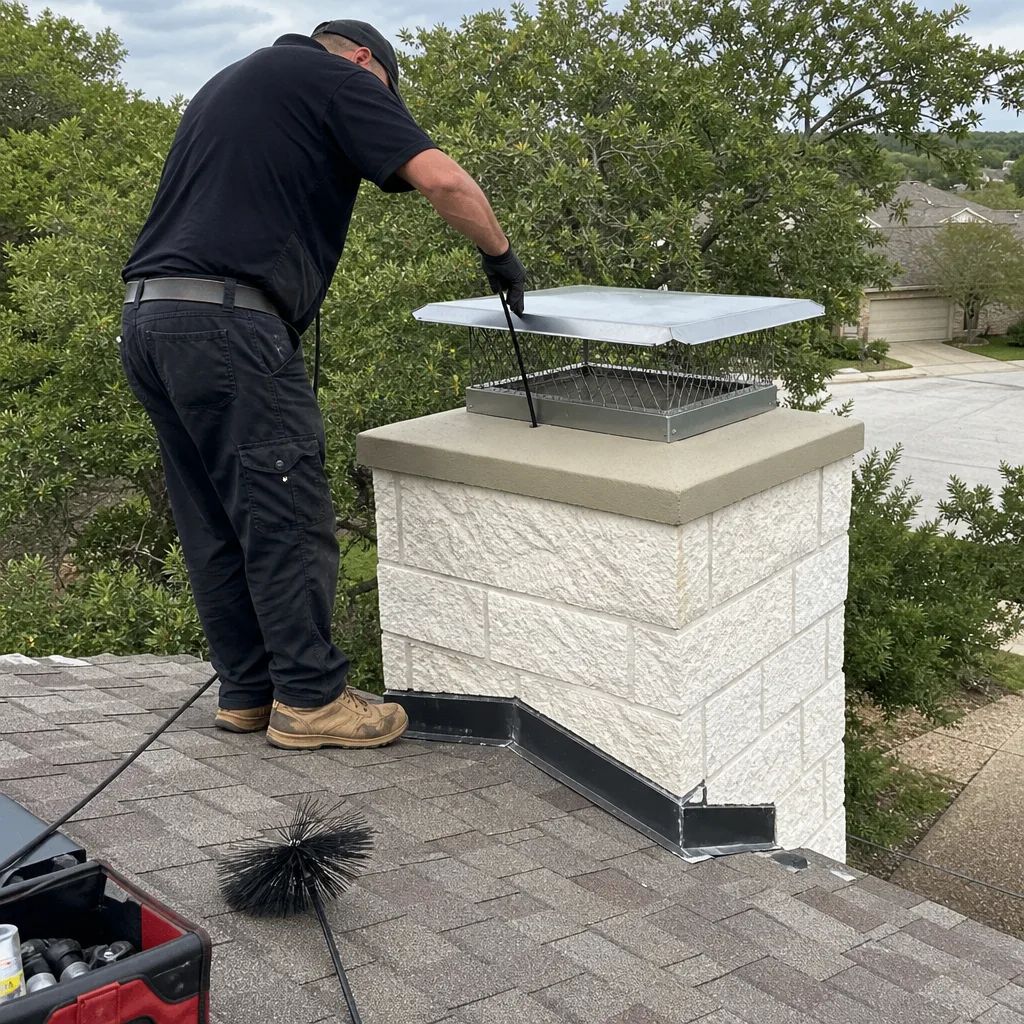 After
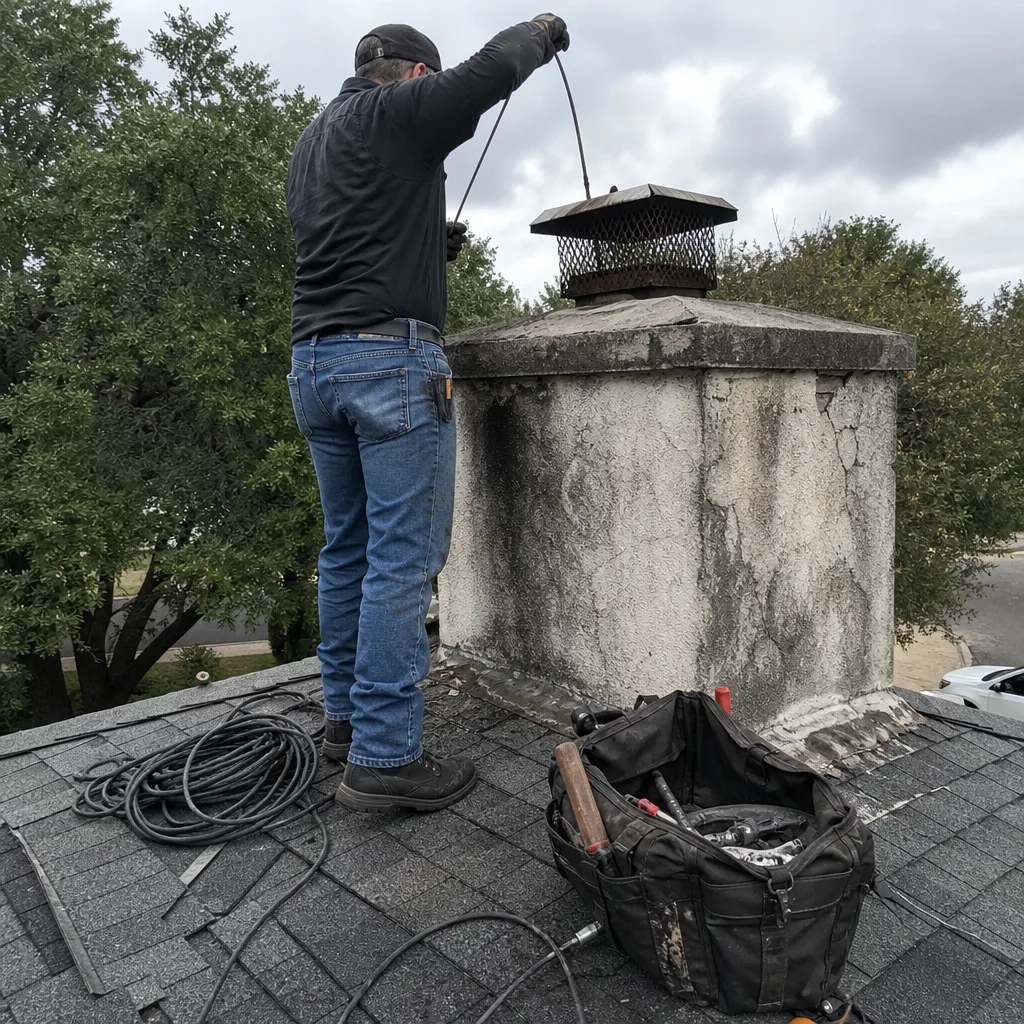 Before
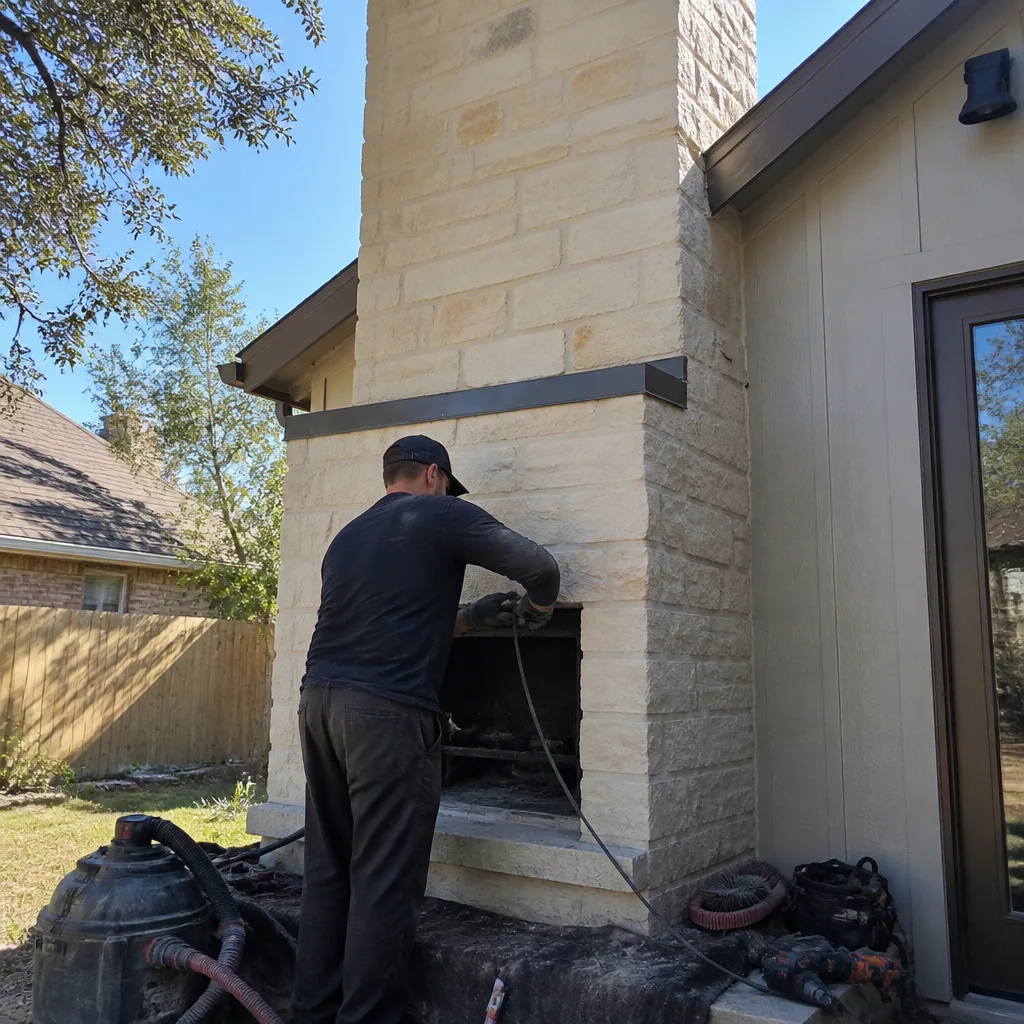 After
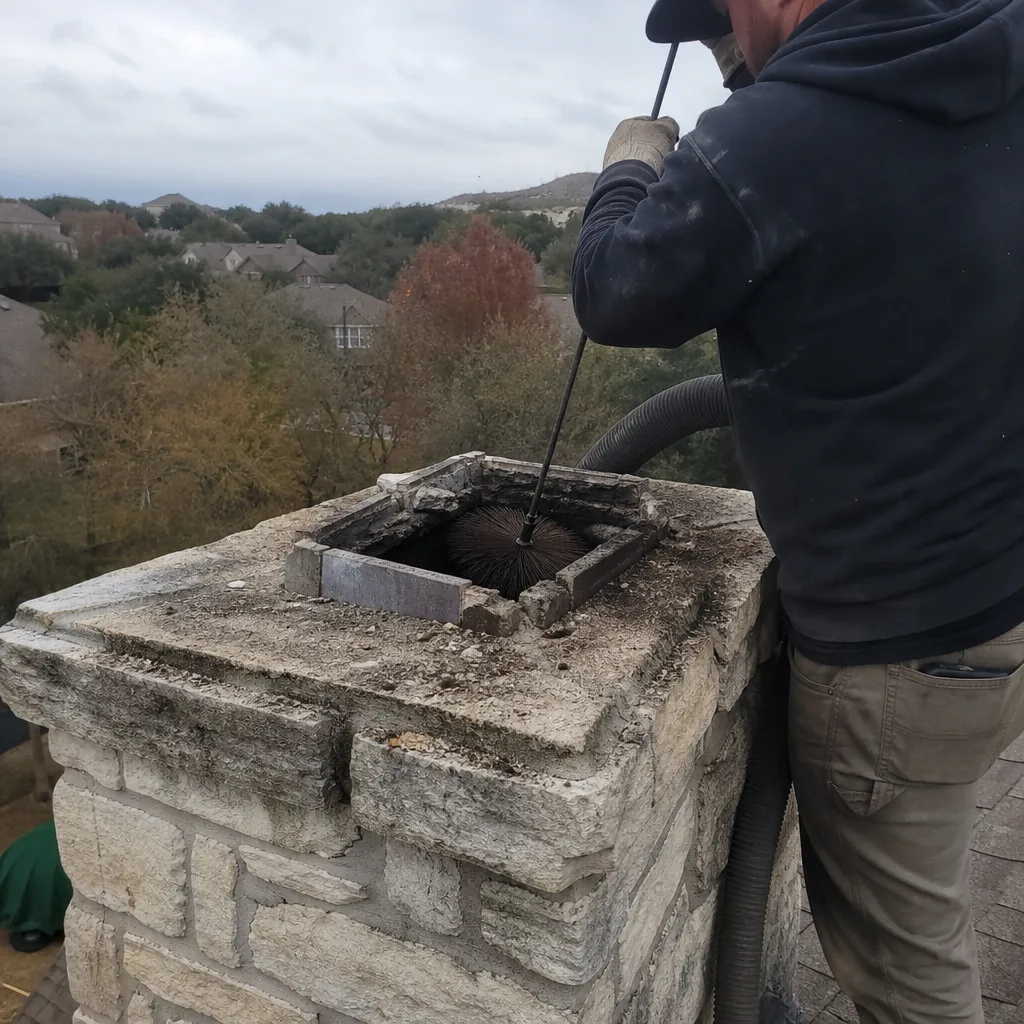 Before
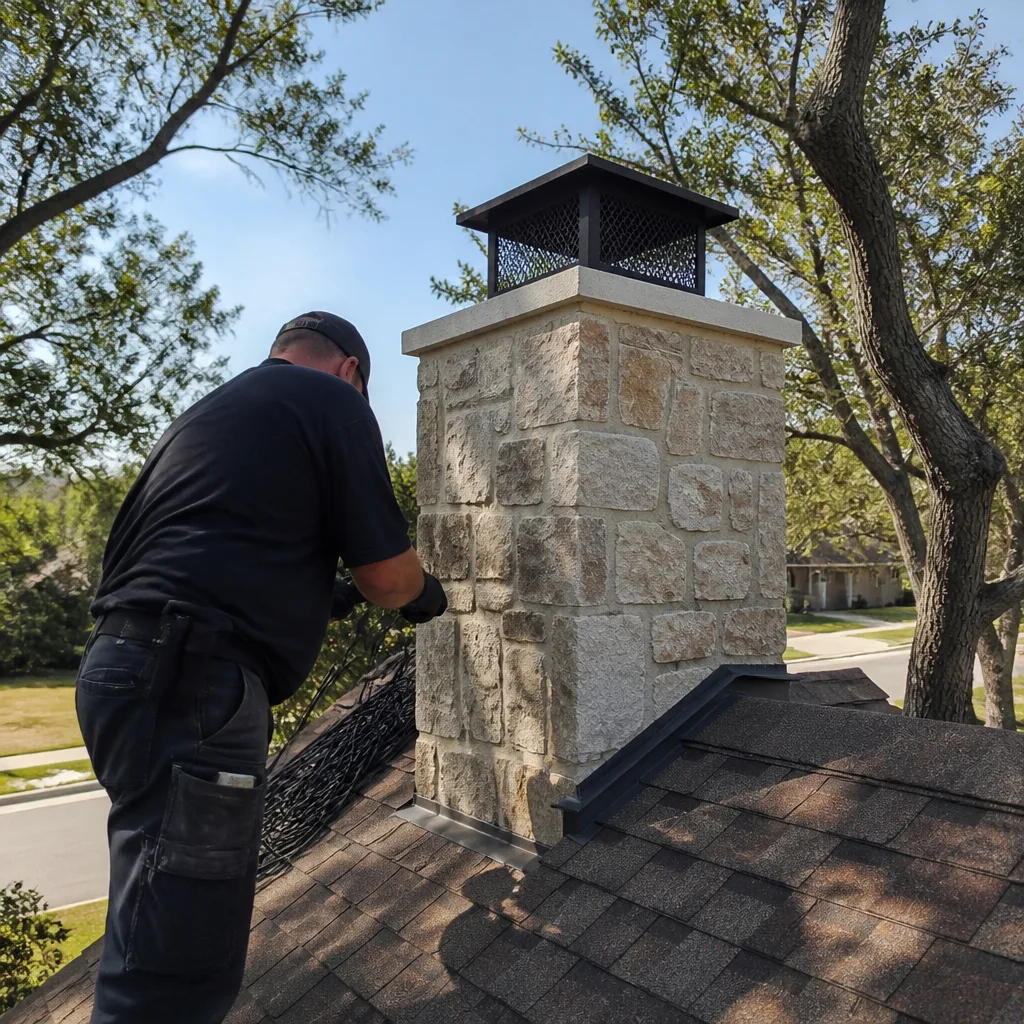 After
HeatShield Service Pricing in Lost Creek
HeatShield chimney cleaning in Lost Creek typically runs $180 to $340 depending on flue condition, access, and how long the creosote has had to harden. A standard creosote removal with full firebox and smoke-chamber inspection lands in that range. When resurfacing work enters the picture, a partial HeatShield re-coat on a single-story masonry flue usually runs $1,800 to $3,200, while a full cerfractory lining with firebox repair can push $3,500 to $6,500. The variables are flue height, liner accessibility, and how much of the old surface needs mechanical removal before prep. Every free estimate includes a camera inspection and a written breakdown – no number gets quoted without us first looking at the flue on screen. Call (855) 507-9184 for an exact quote.
Serving Lost Creek, TX — Our Local Coverage Area
We’re based in the Lost Creek area and know this community well. Use the map below to see our service coverage — if you’re nearby, we can almost certainly help.
FAQs – HeatShield Chimney Cleaning in Lost Creek
Yes, and in two ways. A properly bonded HeatShield cerfractory lining seals the flue’s internal surface so that embers and hot gases can’t find their way into cracks or mortar joints where combustible framing sits. Pair that with a spark arrestor cap and you have a system that keeps embers inside the chimney rather than spitting them onto a live oak canopy or cedar shake roof. In Lost Creek’s wildfire-interface zones, this combination isn’t just prudent – it’s what separates a defensible home from one that needs defending. We bring the same fire-safety rigor to HeatShield service in Rollingwood, where the canopy and code pressures are nearly identical. Call (855) 507-9184 and we’ll walk your flue with a camera before recommending anything.
Often we can save it. HeatShield Thermo-Mix is designed precisely for this: remove loose material, prep the surface, and trowel in a castable refractory that bonds to the remaining firebox structure. The deciding factors are how much of the metal firebox shell remains sound and whether the crack runs through the firebox or just the refractory face. If the steel itself is warped or rusted through, we’ll tell you plainly and recommend a full insert replacement. But a cracked refractory wall on an otherwise solid box is a repair, not a replacement. Call (855) 507-9184 for a free evaluation.
Because Lost Creek’s heat doesn’t just evaporate moisture – it bakes creosote. The creosote that built up through winter burning dries out and adheres to the flue walls as a hard, tarry glaze. Then oak pollen and leaf litter blow in through a missing cap and mix with it, creating a dense, carbon-rich layer that resists brushing. We use rotary whips and professional-grade cleaning compounds to break that bond before the first fire of the season. Skip the fall sweep and you’re lighting a fireplace with a fuel load already in the flue. Call (855) 507-9184 to book before the first cold snap.
In most Lost Creek neighborhoods, yes, and many HOA covenants plus Travis County fire code effectively require a 5/8-inch or finer mesh spark arrestor on any active wood-burning flue. The local canopy of live oak and cedar means airborne embers have a landing zone. We install spark-arrestor caps on every chimney we service in Lost Creek unless the homeowner explicitly declines and the flue isn’t currently used for open-hearth burning. Our HeatShield service in West Lake Hills follows the same protocol, since the live oak canopy and ember risk cross those boundaries too. A cap also keeps out the oak litter and squirrels that make hardened creosote problems worse. Call (855) 507-9184 for a cap inspection.
You look for three things: white or grey flaking on the refractory surface, flue-gas staining at the ceiling or attic joints, and moisture in the firebox after rain. None of those prove failure by themselves, but together they suggest the lining has delaminated or thinned. Our standard service includes a Level 2 camera inspection, and that’s the only honest way to see whether the cerfractory is still intact behind the damper. If it’s not, we’ll show you the footage and quote a re-coat before it becomes a tear-out. Call (855) 507-9184.
Service Areas Near Lost Creek
We serve Lost Creek and the surrounding Hill Country communities. If you’re in Lost Creek service area or nearby, we’re already on the road. That includes Cedar Park, Anderson Mill, Brushy Creek, Jollyville, and Leander. For neighbors closer to the hills, we also provide HeatShield service in The Hills and HeatShield service in Briarcliff.
Book Your HeatShield Service in Lost Creek Today
Lost Creek flues don’t get better sitting idle through another dry summer. Hardened creosote, nested wildlife, and cap failures compound quietly. Call (855) 507-9184 and Nolan’s team will schedule a free camera inspection and cleaning estimate. If your HeatShield lining needs attention, we’ll show you proof and tell you honestly whether it’s a recoating job or something more. One company handles the sweep, the repair, and the sign-off.
Written by Nolan Pruett, Owner at Ashton Chimney, serving Lost Creek since his early days hauling creosote out of Hill Country flues.