Last updated October 31, 2026
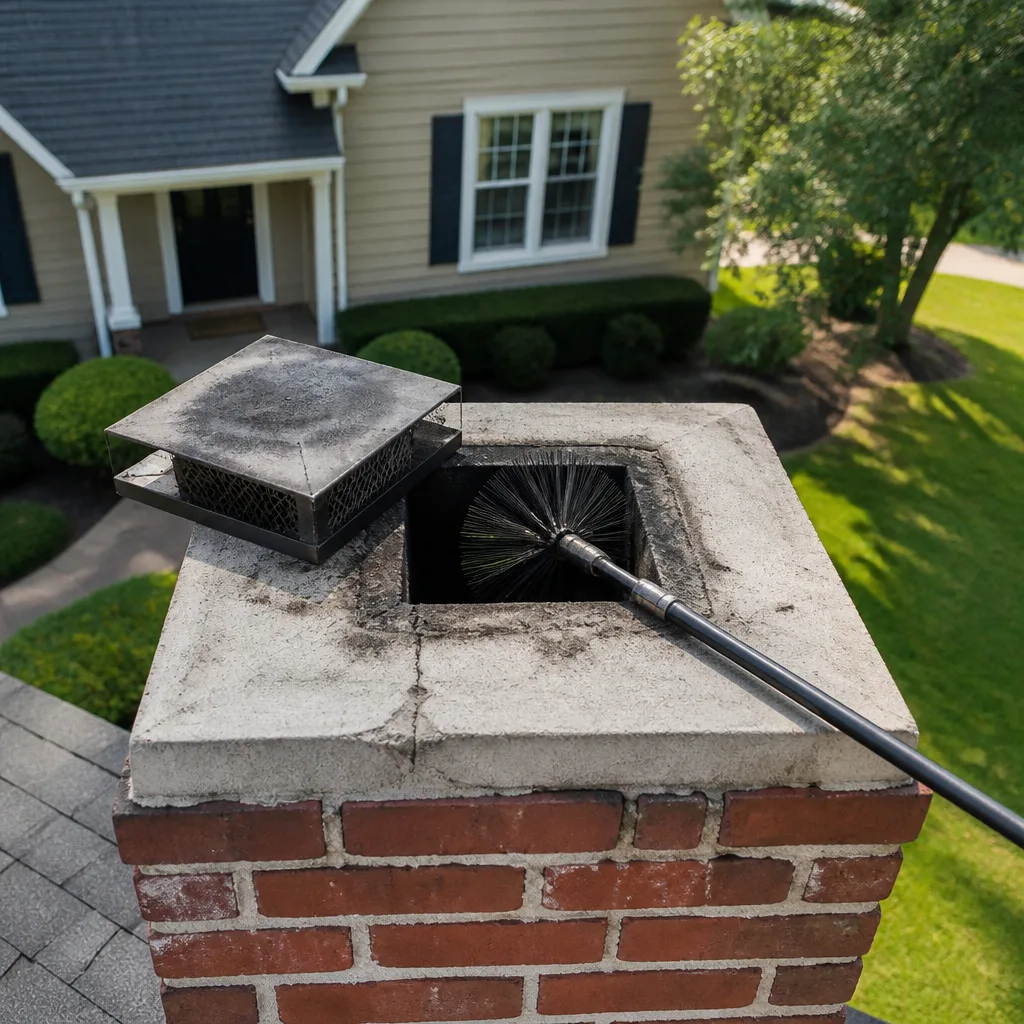 Sweep & inspection
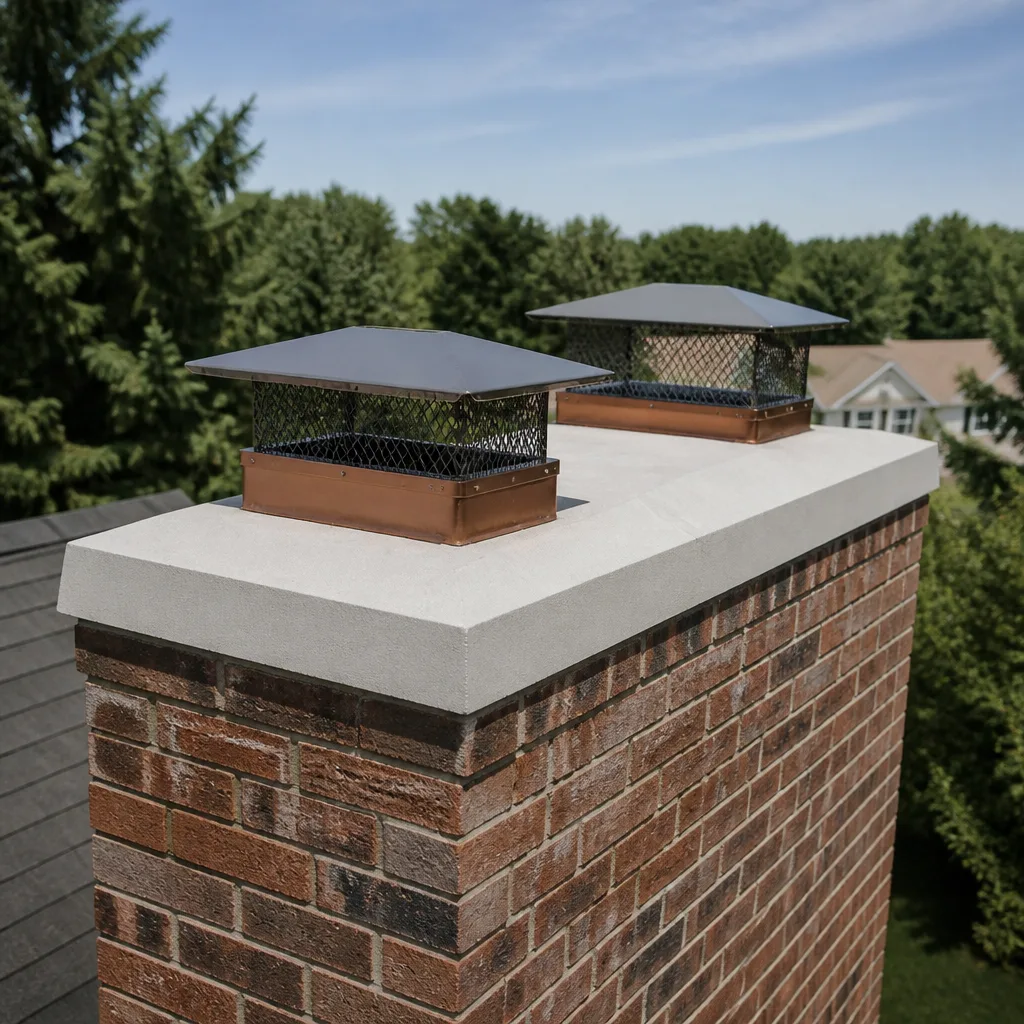 Caps & crowns
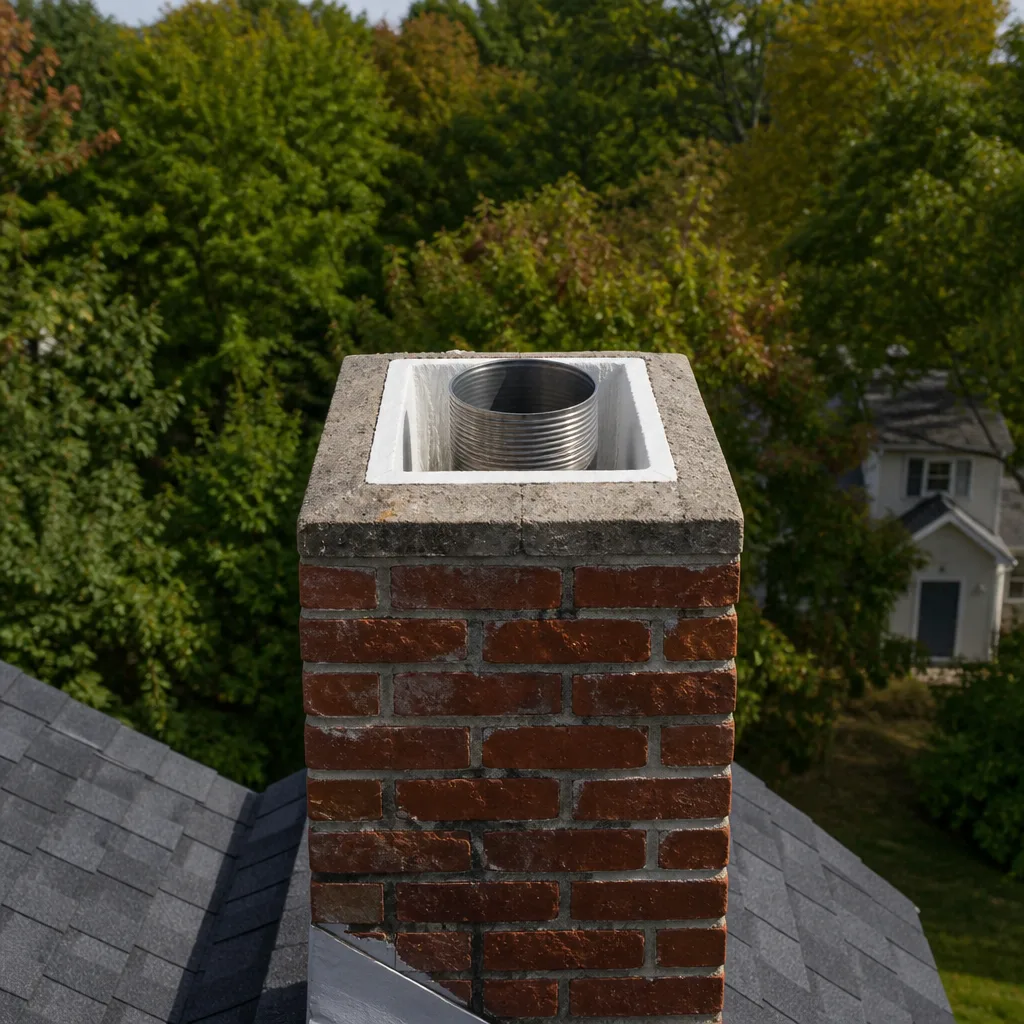 Flue relining
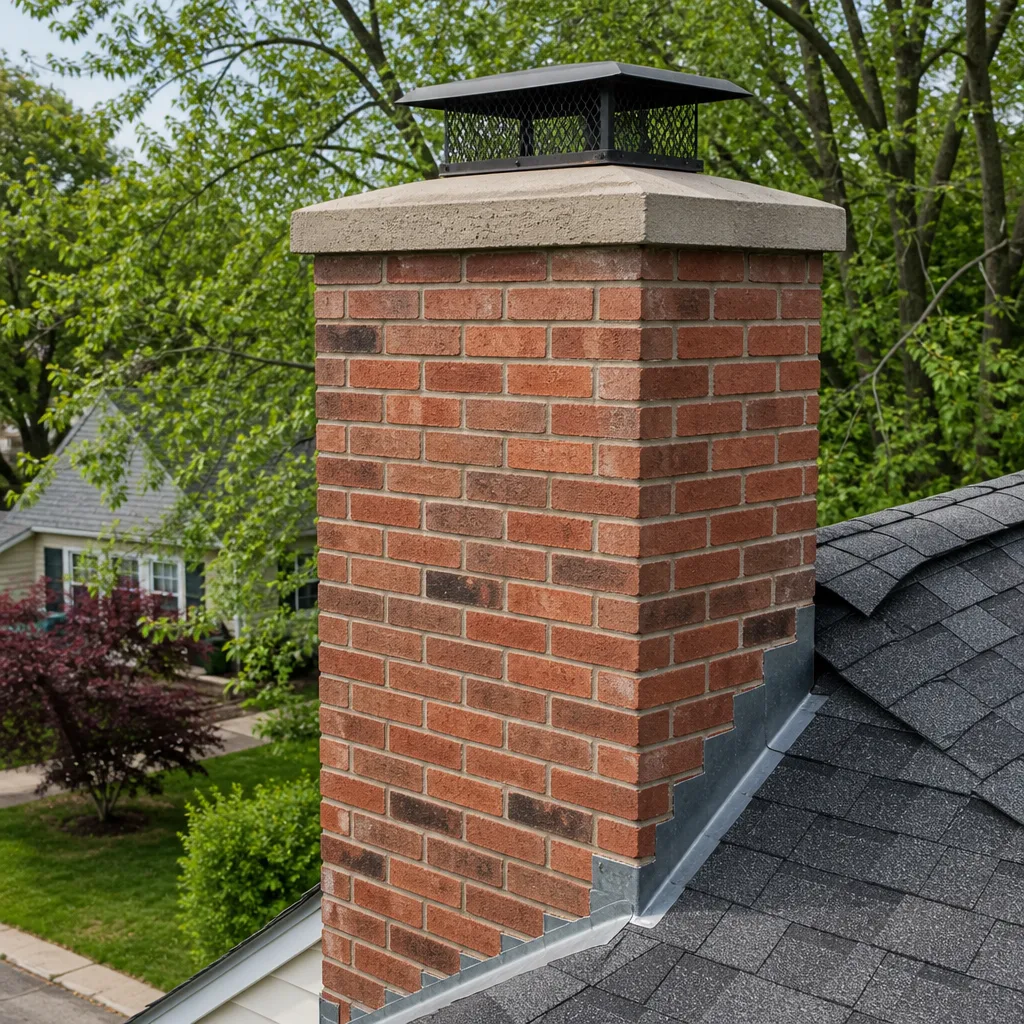 Masonry repair
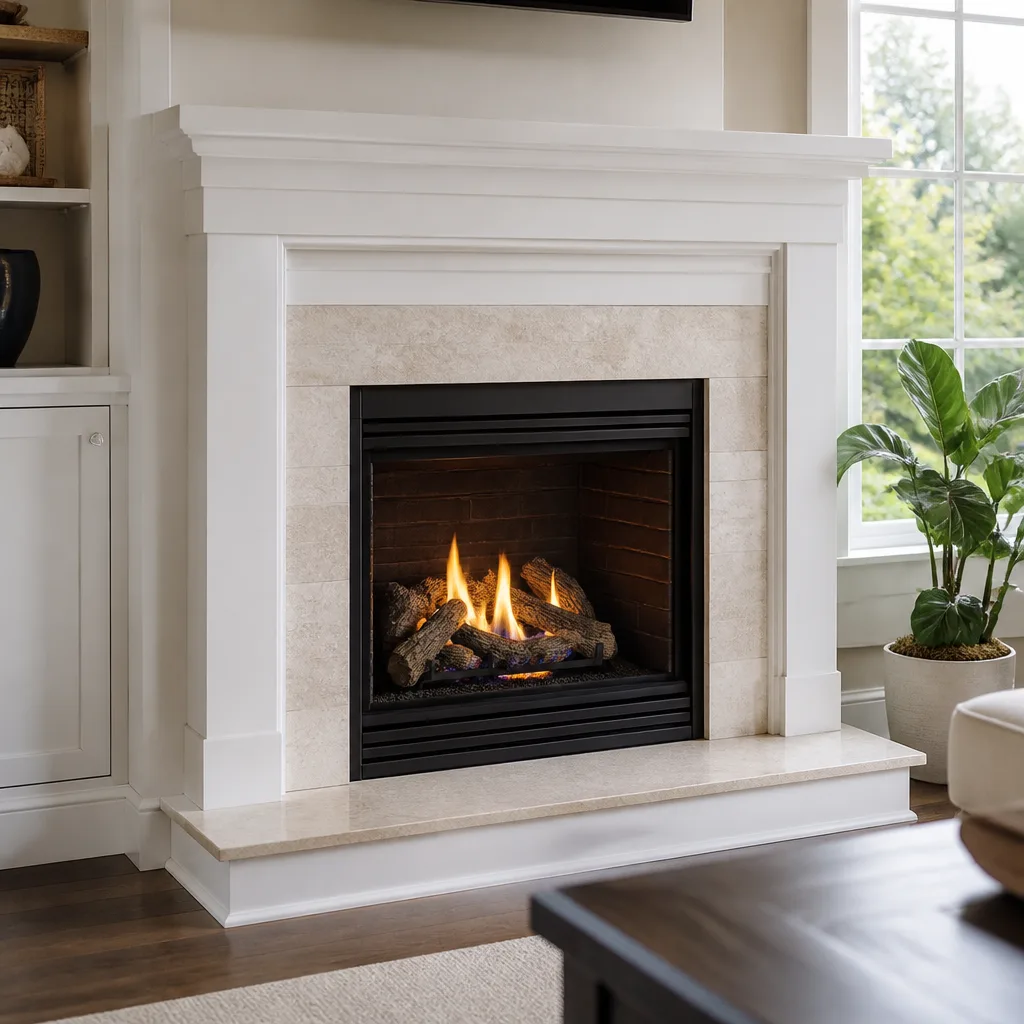 Gas fireplace service
Level 1 sweep and inspection to the NFPA 211 annual standard - flue, crown, cap, and flashing checked and photographed
Chimney sweep logs do not sweep chimneys. They loosen some creosote - which then falls where a brush and vacuum still have to collect it.
Chimney Cleaning Permits, Codes & Inspections in TX: What You Need to Know
Texas is one of the few states with zero mandatory chimney contractor licensing. That means the person standing in your living room with a wire brush has no legal credential requirement from the state of Texas. The verification burden falls entirely on you. This guide explains which code thresholds in Williamson County and Cedar Park actually require permits, which cleaning and repair tasks legally don’t, and how to protect yourself with the right paper trail. For Chimney Cleaning Warning Signs: A Cedar Park Homeowner’s Reference Guide, see our dedicated resource. If you own a fireplace in Cedar Park, this is the compliance map nobody handed you at closing.
Styles & brands we work with
Quick Answer
Routine chimney sweeping and Level 1 inspections require no permit anywhere in Texas, including Cedar Park and Williamson County. However, structural repairs, liner replacement, firebox rebuilds, and any work that alters the chimney’s construction or venting configuration crosses into permit territory under the locally adopted International Residential Code. The trigger is not the cleaning itself, it’s whether the work changes the system’s structure or function.
Table of Contents
- Texas Has No State Chimney License: What That Actually Means
- How the IRC Governs Chimney Work in Williamson County
- Maintenance vs. Alteration: The Permit Line in Cedar Park
- NFPA 211 Inspection Levels: Level 1, Level 2, Level 3
- What Homeowner’s Insurance Actually Requires After a Chimney Fire
- The Paper Trail: What to Keep and How Long
- Cedar Park and Williamson County: Local Code Nuances
- Common Mistakes to Avoid
- When to Call a Professional
- Frequently Asked Questions
- The Bottom Line
Texas Has No State Chimney License: What That Actually Means
Texas does not license chimney sweeps, chimney inspectors, or chimney repair contractors. No state exam. No state registry. No state board. A person can legally advertise chimney cleaning services in Cedar Park tomorrow with no training, no insurance, and no demonstrated competence. Compare that to electricians, plumbers, and HVAC technicians, all of whom require state licensing through the Texas Department of Licensing and Regulation. Chimney work sits in a regulatory blind spot.
What this means for a homeowner is straightforward: the quality of a chimney inspection depends entirely on the company doing it. There is no government backstop. In practice, reputable companies hold certifications from national organizations like the Chimney Safety Institute of America, carry liability insurance, and document their work thoroughly. A company that can’t show you a certificate of insurance before stepping onto your roof is a red flag, not a bargain.
Williamson County does not fill this gap with any local licensing requirement either. Cedar Park follows the county’s lead. Building permits are required for certain chimney work, which we’ll cover below, but the person performing the work does not need a chimney-specific credential to pull that permit in most cases. The permit process governs the work quality, at least on paper, but the contractor selection is on you.
This is why we recommend homeowners ask three questions before anyone touches their flue: What certifications do you hold? Are you insured and bonded? Will I receive a written inspection report with photos? If the answer to any of those is vague, you have your answer about how the job will go. The Ashton Chimney home page walks through what a professional sweep and inspection actually includes, including the documentation you should expect.
How the IRC Governs Chimney Work in Williamson County
Williamson County has adopted the International Residential Code, or IRC, as the baseline construction standard for one and two family homes. Cedar Park operates under the same framework. Chapters 10 and 11 of the IRC cover chimneys and fireplaces specifically: structural requirements, clearances, flue sizing, combustion air, and termination height. When any chimney work requires a permit, it’s because the IRC says that work falls under construction or alteration, not routine maintenance.
The IRC is not a cleaning standard. It does not tell you how often to sweep a chimney or what kind of brush to use. That’s NFPA 211’s territory, which we’ll get to. The IRC is a construction and safety code. It dictates how a chimney must be built and rebuilt, what materials are acceptable, and what clearances to combustible framing are required. When a chimney repair in Cedar Park changes any of those variables, the IRC applies and a permit is generally required.
One practical example: if a chimney liner is replaced with a different material or a different diameter, that’s an alteration. The flue dimensions affect draft, clearance to combustibles, and appliance venting requirements, all IRC-governed. If the existing clay tile liner is simply cleaned and one cracked tile is repaired with a like-for-like method, that treads closer to maintenance. The distinction matters because it determines whether the work is legal to do without a building department inspection.
We see this play out in Cedar Park homes built in the 1980s and 1990s, where original clay liners are reaching the end of their service life. A straight swap of a deteriorating clay liner for a properly sized, professionally installed stainless liner from a brand like DuraFlex is an alteration that should trigger a permit and inspection. A homeowner who skips that step effectively has unpermitted work on their house, which becomes a disclosure problem when they sell.
Maintenance vs. Alteration: The Permit Line in Cedar Park
The single most useful distinction for a homeowner to understand is this: maintenance does not require a permit in Cedar Park or anywhere in Williamson County. Alteration or repair of the structure or venting function generally does. The line between them is not always obvious, which is where honest advice—and our Chimney Sweep Maintenance Checklist for Cedar Park Homeowners—can help you stay on the right side of compliance.
Let’s define both terms clearly.
What Counts as Maintenance: No Permit Required
- Chimney sweeping: Removing soot and creosote from the flue, smoke chamber, and firebox. This is cleaning, full stop.
- Level 1 or Level 2 inspection: Visual or camera inspection of accessible chimney areas. No structural changes.
- Chimney cap replacement: Installing a new cap on the existing flue termination. No alteration to structure.
- Minor mortar joint pointing: Repacking small areas of deteriorated mortar in the crown or firebox, provided the underlying structure is sound and the work is cosmetic-scale.
- Damper adjustment or replacement with a like-for-like unit: Swapping a worn damper for the same size and type, with no changes to the firebox or flue.
What Counts as Alteration or Repair: Permit Typically Required
- Chimney liner replacement or relining: Removing an old clay liner and installing a new stainless liner, or resurfacing the existing flue with a system like HeatShield. This changes flue dimensions or material.
- Firebox rebuild: Reconstructing the firebox walls or floor with new firebrick and refractory mortar. This is structural work.
- Smoke chamber parging or reconstruction: Reshaping or rebuilding the smoke chamber to correct drafting issues.
- Chimney crown reconstruction: Demolishing and repouring the concrete crown. This is a structural element of the chimney system.
- Flue resizing or reconfiguration: Changing the flue diameter to accommodate a different appliance or fuel type.
The practical test in Cedar Park: if the work changes how the chimney was built or how it vents, lean toward needing a permit. If the work restores the chimney to its existing condition without altering configuration, it’s probably maintenance. When in doubt, call the Williamson County permitting office and describe the scope. They will tell you directly. Every quality Chimney Repair in Cedar Park contractor should be willing to walk you through this determination before any work begins.
NFPA 211 Inspection Levels: Level 1, Level 2, Level 3
NFPA 211 is the national standard for chimneys, fireplaces, vents, and solid fuel burning appliances. It’s not a law in itself, but it’s the standard that most local inspectors, insurance adjusters, and fire marshals reference when evaluating whether a chimney was properly maintained. Understanding the three inspection levels is the fastest way to know what your chimney actually needs and when.
Level 1 inspection covers the readily accessible portions of the chimney, inside and out. It’s the inspection that should accompany every routine sweep. The technician confirms that the chimney is structurally sound, free of obstructions, and properly connected to the appliance. No special tools are required beyond a flashlight and the sweep’s standard equipment. If you’re using your fireplace the same way you always have, with no changes and no problems, a Level 1 is generally sufficient on an annual basis.
Level 2 inspection includes everything in Level 1 plus access to accessible areas of the attic, crawl space, and roof. It also adds a camera scan of the flue interior. A Level 2 is required by NFPA 211 when the property is sold or transferred, when the appliance or flue is changed, when a chimney fire has occurred, or when an external event like a lightning strike or earthquake could have damaged the structure. In Cedar Park, with our summer lightning storms and occasional hail, we see Level 2 inspections after weather events more often than homeowners expect. If you’re unsure whether your symptoms warrant action, consult our Chimney Sweep Troubleshooting: Common Problems and How to Fix Them.
Level 3 inspection is the most invasive. It’s required when a Level 1 or Level 2 inspection reveals a suspected hazard that can’t be fully evaluated without removing building components. This could mean removing portions of the chimney crown, interior walls, or chimney liner to access the hidden areas. Level 3 inspections typically follow a known or suspected chimney fire or a structural failure. They are uncommon but critical when the situation calls for them.
The inspection level drives everything else. A sweep that shows up, brushes the flue, and says “you’re good” without identifying what level of inspection was performed is not following the standard most Cedar Park inspectors and insurance adjusters expect. Ask for the level in writing. It belongs on every invoice and inspection report.
What Homeowner’s Insurance Actually Requires After a Chimney Fire
Here’s the scenario we hear most often in Cedar Park: a homeowner files a claim after a chimney fire, and the insurance adjuster asks for the inspection and cleaning records. No records, no coverage. Or worse, a reduced payout based on a claimed lack of maintenance. Understanding what your policy expects before anything happens is the difference between a covered loss and a financial gut punch.
Most standard Texas homeowner’s policies require that the chimney be properly maintained as a condition of coverage. That’s a general duty. What “properly maintained” means in practice is usually defined by NFPA 211: annual inspection and cleaning as needed, documented. An insurance company responding to a chimney fire claim will typically ask for:
- Inspection reports: Written documentation from each inspection, including the level performed and any findings.
- Cleaning invoices: Proof that the chimney was swept at an interval appropriate for the fuel and usage level.
- Repair records: Evidence that any previously identified issues were addressed, not ignored.
- Photos or camera footage: Visual proof of flue condition at the time of inspection.
If you’ve been burning wood in a fireplace with no records for six years and then file a chimney fire claim, expect to have an uphill conversation. The insurance company will argue that a properly maintained chimney would have been swept, and the creosote that fueled the fire would have been removed. Whether they’re entirely right or not, you’ve handed them a reason to deny or reduce the claim.
The fix is simple and costs far less than a denied claim. Get an annual inspection. Keep the report. Keep the invoice. Keep the camera photos if the company provides them. In Cedar Park, where we burn heavily from November through February, an annual inspection is the minimum responsible cadence for a wood-burning fireplace in regular use. Our Chimney Sweep in Cedar Park service includes written documentation suitable for insurance files.
The Paper Trail: What to Keep and How Long
Documentation is the cheapest insurance policy you will ever buy for your chimney. It costs nothing to keep a file folder, but it can be worth tens of thousands of dollars when you sell the house, file an insurance claim, or face a code compliance question. Here’s exactly what to keep and for how long.
The Documents
- Inspection reports: Every one, even the clean ones. A clean inspection report is proof of responsible maintenance.
- Cleaning invoices: Shows the date, the company, and the scope of work. Keep them in chronological order.
- Repair permits and final inspection sign-offs: Critical for any liner replacement, firebox rebuild, or crown reconstruction. These prove the work was done legally and passed inspection.
- Repair invoices: Detail what was done, what materials were used, and who did the work.
- Camera footage or photos: Many inspections now include a camera scan. Save the files. They are evidence of condition at a specific date.
How Long to Keep Each
- Keep inspection and cleaning records for as long as you own the house. This is not an exaggeration. A ten-year-old report can establish a maintenance pattern that an adjuster or buyer will respect.
- Keep repair permits and inspection sign-offs permanently. These are attached to the house, not to you. Pass them to the buyer when you sell.
- Keep repair invoices for at least seven years. This covers typical warranty periods for liner systems and structural work, plus a buffer for any latent defect claims.
- Keep photos and camera footage for at least five years. They are timestamped proof of condition and often resolve disputes before they escalate.
A simple accordion folder in a closet works fine. A digital scan in a cloud folder is even better, since paper fades and gets misplaced. The point is having the records when someone asks for them. In our experience, the homeowners who have this file are the ones who sail through insurance claims and real estate closings. The ones who don’t are the ones who call us in a panic, hoping we can somehow recreate years of history from memory. We can’t. But we can start the paper trail today, which is the next best thing. For dryer vents, which have their own fire risk and documentation value, see our Dryer Vent Cleaning in Cedar Park page.
Cedar Park and Williamson County: Local Code Nuances
Cedar Park sits in Williamson County, which has adopted the IRC with local amendments. The amendments are modest, but they matter. Before any permitted chimney work begins, the contractor or homeowner files a permit application with the Williamson County permitting office or the City of Cedar Park depending on jurisdiction. The permit triggers an inspection schedule: typically a rough-in inspection during the work and a final inspection after completion.
One local factor that influences chimney work in Cedar Park is our soil. The clay-heavy soils in much of Williamson County move with moisture changes, which means foundations shift, which means chimneys sometimes move independently of the house structure. This manifests as cracks in the chimney crown, separation at the roofline, or gaps around the firebox. These are structural issues that require more than a sweep; they’re repair territory under the IRC and often require a permit.
Another local consideration is fuel type. Cedar Park has a mix of wood-burning fireplaces, gas log sets, and gas inserts. Each has different venting requirements under the IRC. A chimney that was legal for wood when the house was built may not meet current standards for a high-efficiency gas insert without relining. That relining work, using a properly sized stainless liner from a manufacturer like Olympia Chimney, is alteration work that triggers permitting.
We also see weather-driven demand. After a severe hail storm or a microburst, homeowners discover chimney cap damage, cracked crowns, or displaced brick. These are repair items, not maintenance items. And they tend to cluster in specific Cedar Park neighborhoods depending on storm paths. If your street took hail damage last spring, it’s worth having the chimney looked at even if you don’t see obvious destruction from the ground.
The bottom line for Cedar Park readers: assume that structural chimney work needs a permit until proven otherwise. The Williamson County permitting process is not designed to punish homeowners; it exists to ensure the work meets the same safety standard as the original construction. A contractor who tells you to skip the permit to save time or money is not doing you a favor. They’re offloading legal liability onto you.
Common Mistakes to Avoid
- Assuming no license means no standards. Texas may not license chimney sweeps, but NFPA 211 is still the standard your insurance company and any future buyer will expect you to have followed. Hire to the standard, not to state law.
- Skipping the permit on a liner replacement. A new DuraFlex liner changes flue dimensions and material, which crosses the alteration threshold. Unpermitted liner work becomes a disclosure problem at resale and can complicate an insurance claim if problems arise later.
- Accepting a verbal report instead of a written one. “Looks good to us” is not an inspection report. If it’s not in writing with the inspection level identified, you have no paper trail and no defensible documentation.
- Treating a chimney fire as a one-off scare. A chimney fire damages the flue, often invisibly. The proper response is a Level 2 inspection with camera documentation, not a sweep and a shrug. Skipping that inspection sets up the next, more serious fire.
- Confusing gas logs with a maintenance-free fireplace. Gas logs still produce combustion byproducts and still require a clean, properly sized flue. Gas appliances vent differently than wood fires, and a flue that was fine for wood may be oversized or undersized for gas. Annual inspection still applies.
- Ignoring the dryer vent while you’re at it. Lint buildup causes thousands of house fires annually. The dryer vent is a venting system with the same documentation logic as a chimney. One call can cover both, which makes the paper trail that much simpler.
When to Call a Professional
If you’ve read this far, you’re already ahead of most homeowners. The practical question is when to pick up the phone. Call a professional if you’ve never had the chimney inspected and you don’t know what level of inspection the last person performed. Call if you’ve had a chimney fire, a lightning strike, or a major hail event near the chimney. Call if you’re buying or selling a house in Cedar Park and the inspection hasn’t been done. Call if you see water stains on the ceiling near the chimney, crumbling mortar in the firebox, or a chimney cap that’s gone missing. And call if it’s simply been more than a year since anyone looked. Ashton Chimney offers free estimates in Cedar Park and will tell you plainly whether you need a sweep, a repair, or just documentation. The phone number is (855) 507-9184.
Frequently Asked Questions
No. Routine chimney sweeping and Level 1 inspections are maintenance activities that require no permit anywhere in Williamson County or Cedar Park. The permit threshold is crossed only when the work alters the chimney’s structure or venting configuration, such as a liner replacement or firebox rebuild.
No, Texas does not license chimney sweeps or chimney repair contractors at the state level. Homeowners should verify a company’s certifications, insurance, and documentation practices independently, since no government registry exists to do that verification for them.
Apply the maintenance-versus-alteration test: if the repair changes the chimney’s structure, flue dimensions, or venting function, it likely requires a permit. Liner replacement, firebox rebuild, crown reconstruction, and flue resizing all fall on the permit side. When uncertain, call the Williamson County permitting office and describe the scope. A qualified contractor should be able to make this determination for you before any work starts.
A Level 2 inspection includes everything in a Level 1 plus access to attic, crawl space, and roof areas, and a camera scan of the flue interior. NFPA 211 requires it when a property is sold, when the appliance or flue changes, after a chimney fire, or after an event like a lightning strike or severe storm that could have damaged the structure.
Possibly not. Most Texas policies require documented chimney maintenance as a condition of coverage. An insurance company responding to a chimney fire claim will typically ask for inspection reports, cleaning invoices, and repair records. If you cannot produce them, the claim may be denied or reduced. Start documenting now, before there’s a fire.
For a wood-burning fireplace in regular use during Cedar Park’s November-through-February burning season, an annual Level 1 inspection is the minimum responsible cadence, with sweeping performed as needed based on creosote accumulation. Homes that burn heavily or burn green wood may need more frequent sweeping. A professional inspection determines the actual interval for your specific usage pattern.
No. Replacing a clay liner with a stainless system like DuraFlex or resurfacing with a HeatShield system changes flue material and often dimensions. That alteration triggers the IRC permitting requirement in Williamson County and Cedar Park. Skip the permit and you own the liability when you sell or file a claim. Don’t do it.
The Bottom Line
Texas leaves chimney regulation to the homeowner, which means the homeowner who understands the code landscape has a real advantage. Cleaning requires no permit, but structural repair and relining do. Inspection levels under NFPA 211 tell you what your chimney actually needs and when. Insurance wants documentation, and the absence of a paper trail is a gift to an adjuster looking to deny a claim. Keep records, understand the maintenance-versus-alteration line, and hire a company that names its materials and stands behind its documentation. In Cedar Park, that’s a standard we meet every day. For more guides & resources, explore our blog, or call (855) 507-9184 when you’re ready to get your paper trail started.
Written by the team at Ashton Chimney, serving Cedar Park since 2014.
See the difference
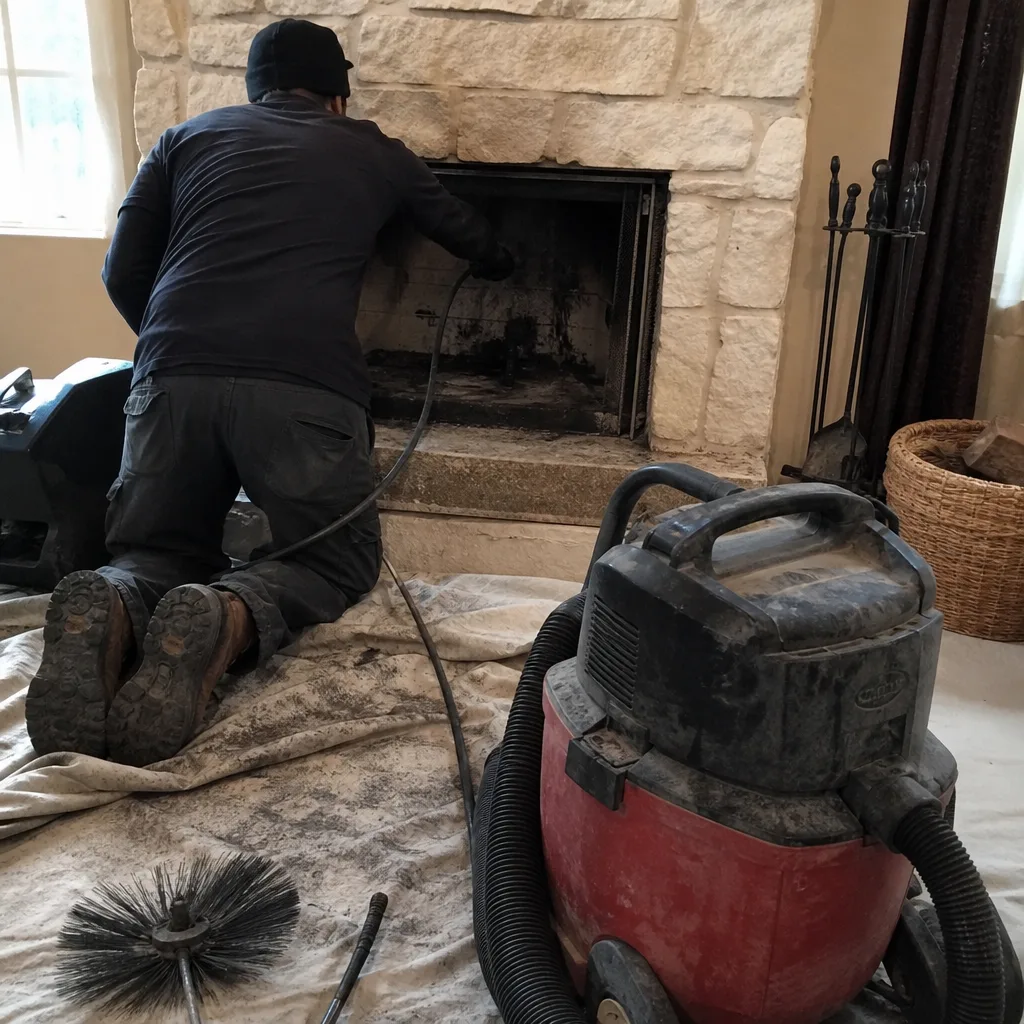 Before
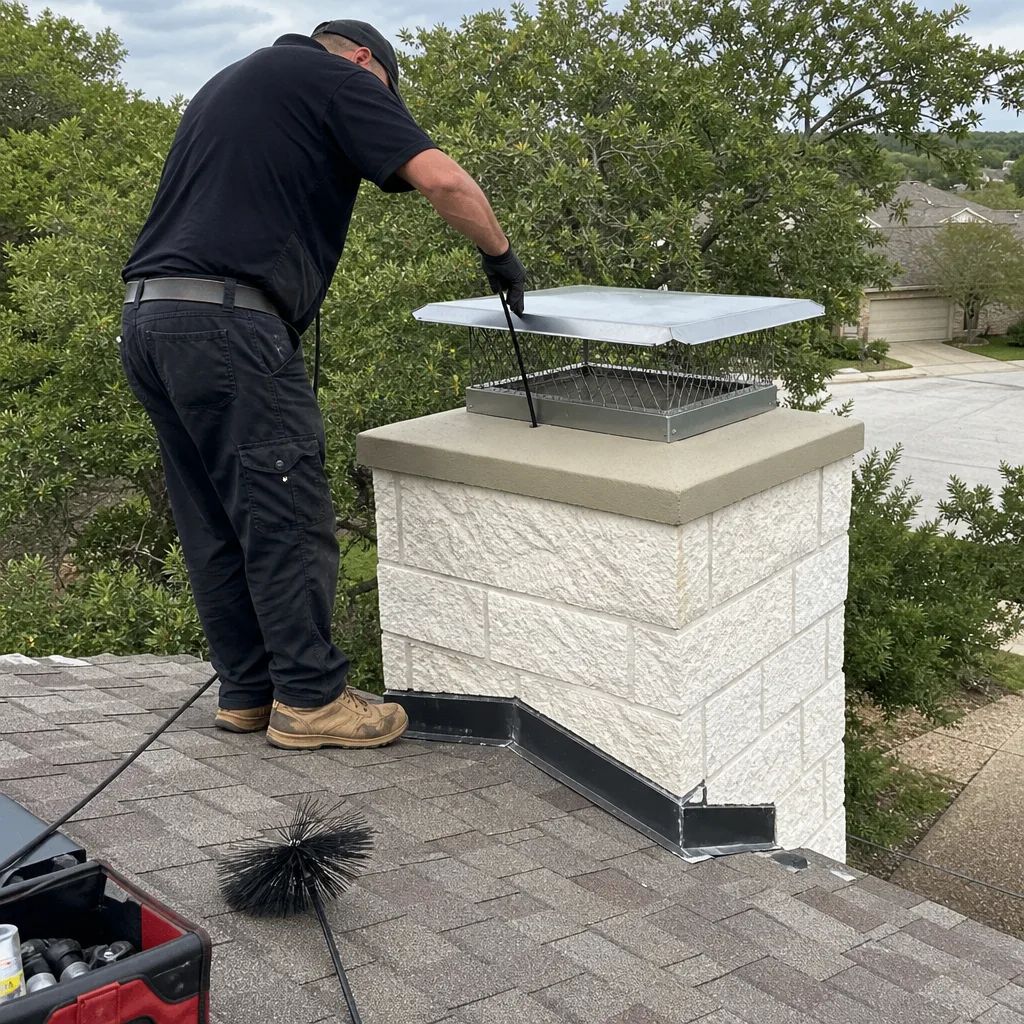 After
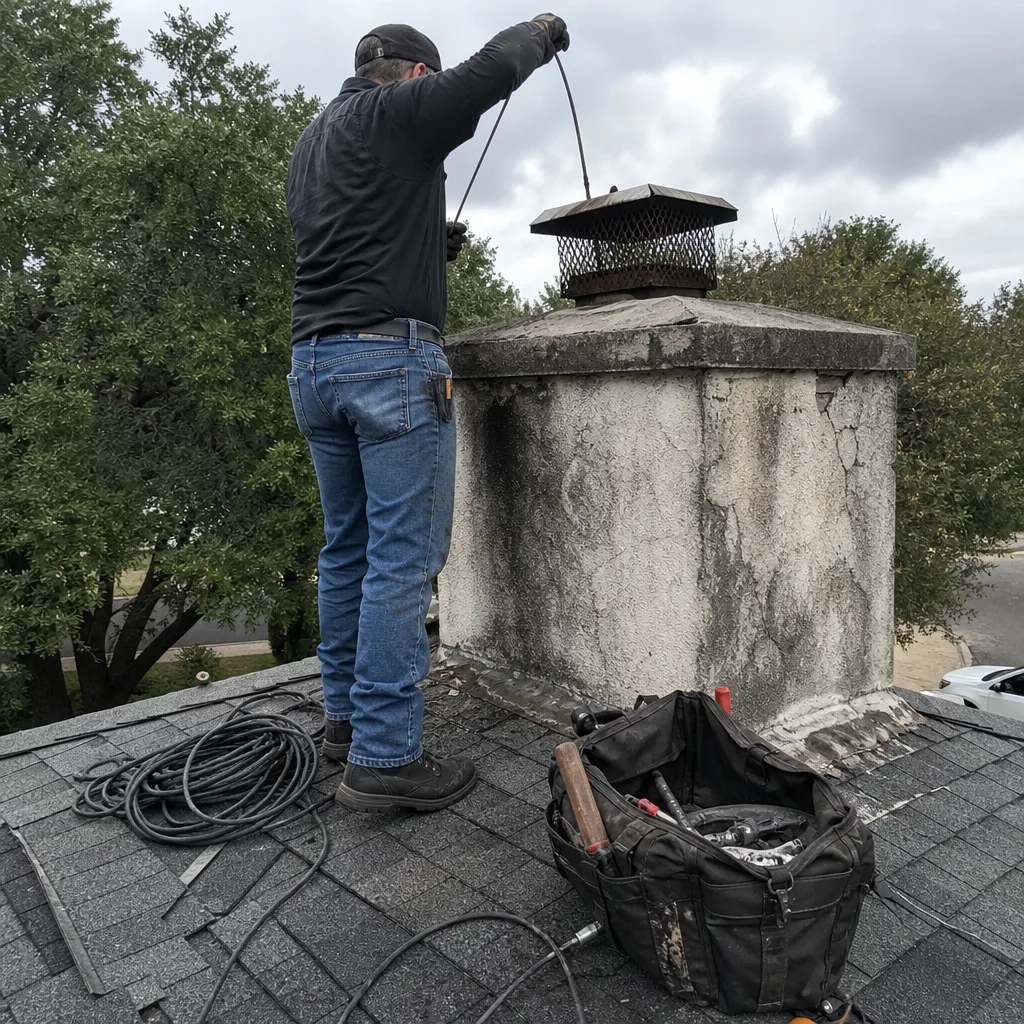 Before
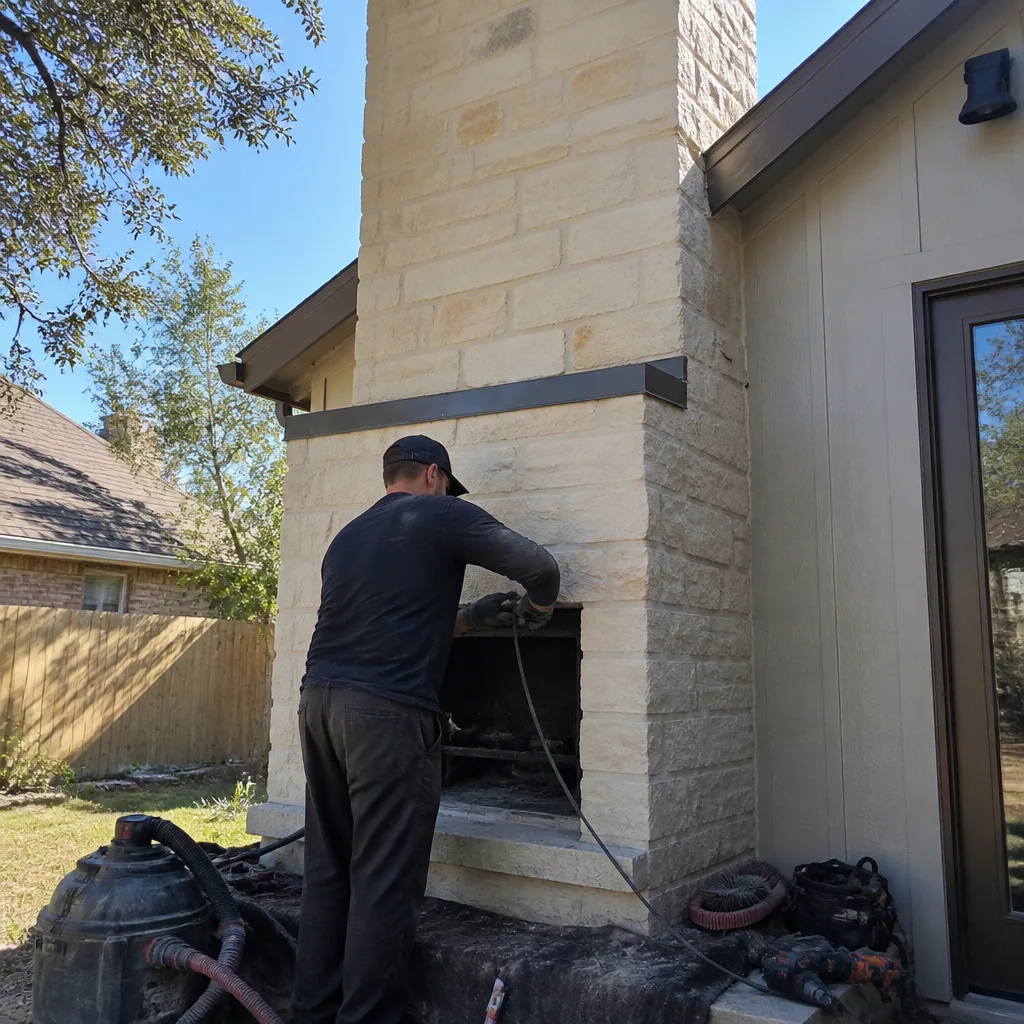 After
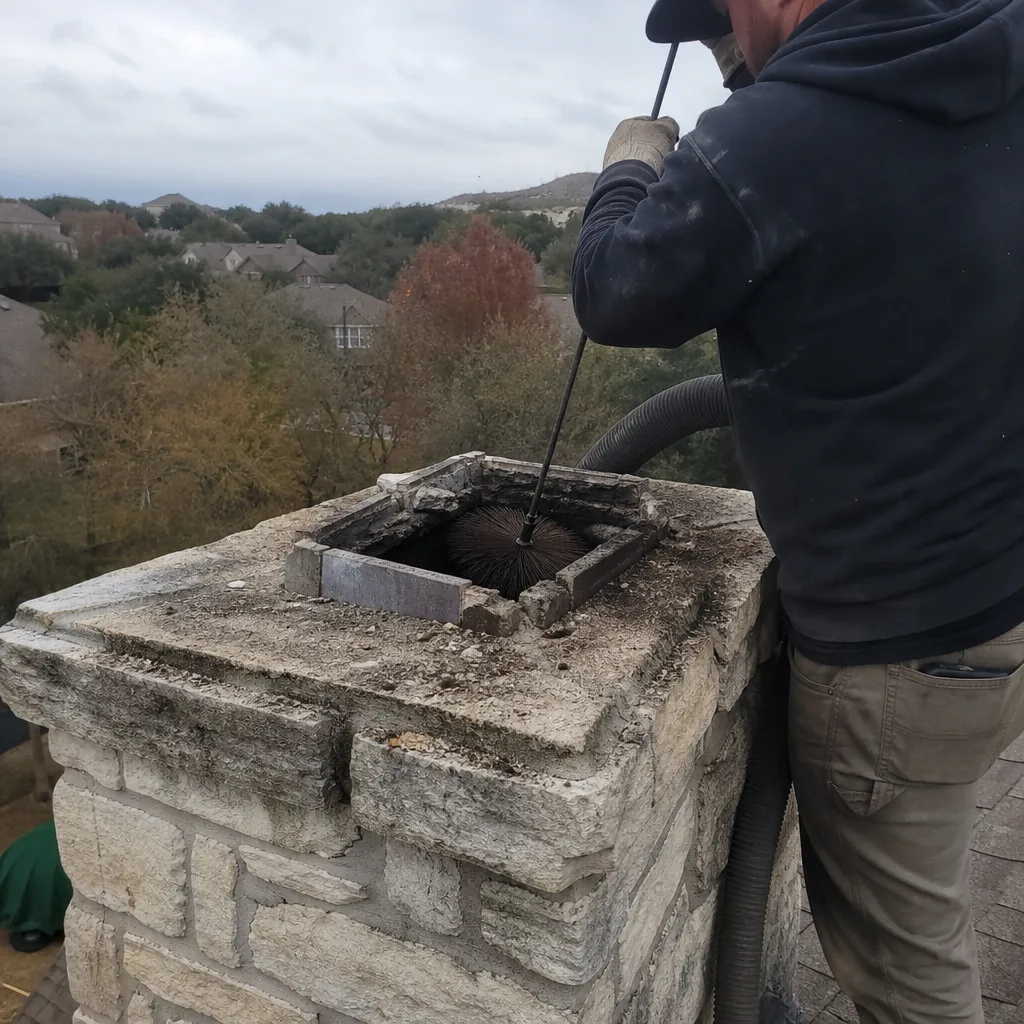 Before
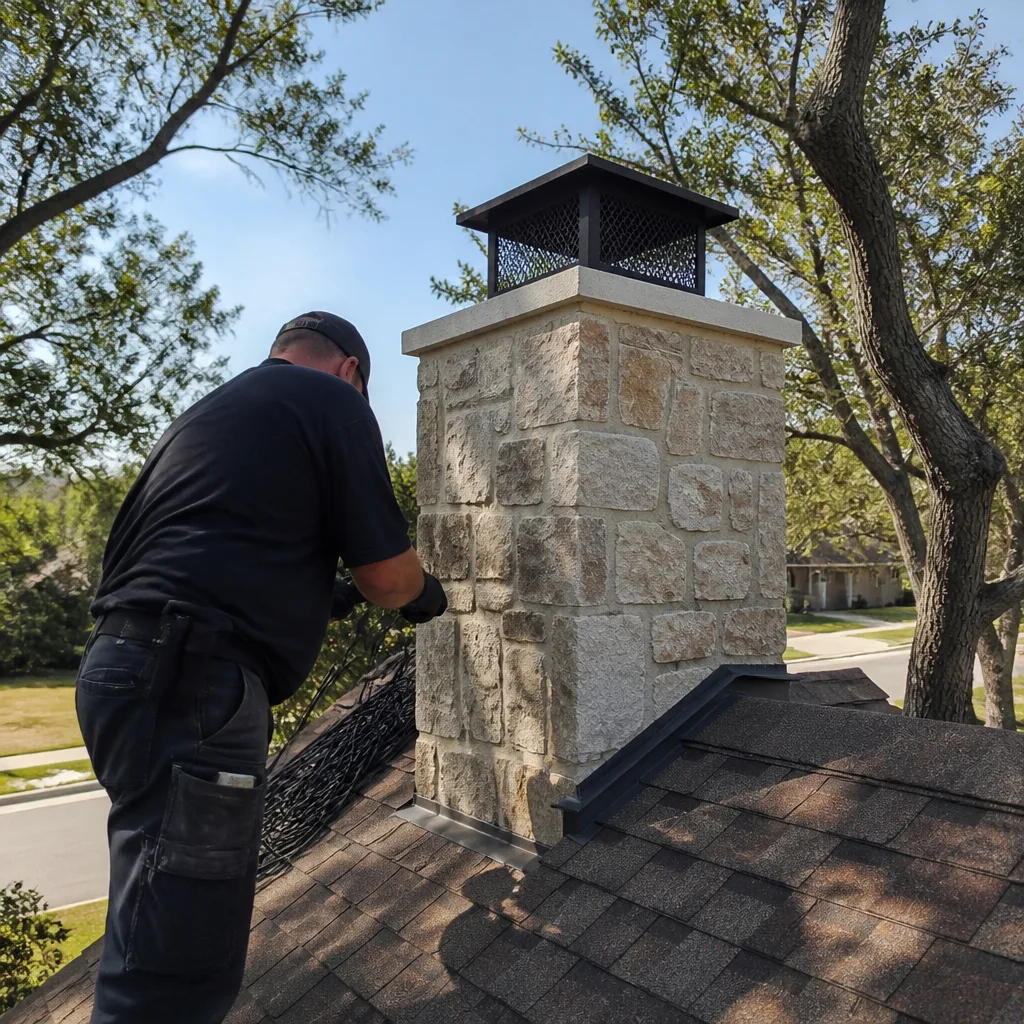 After