
Last updated October 31, 2026
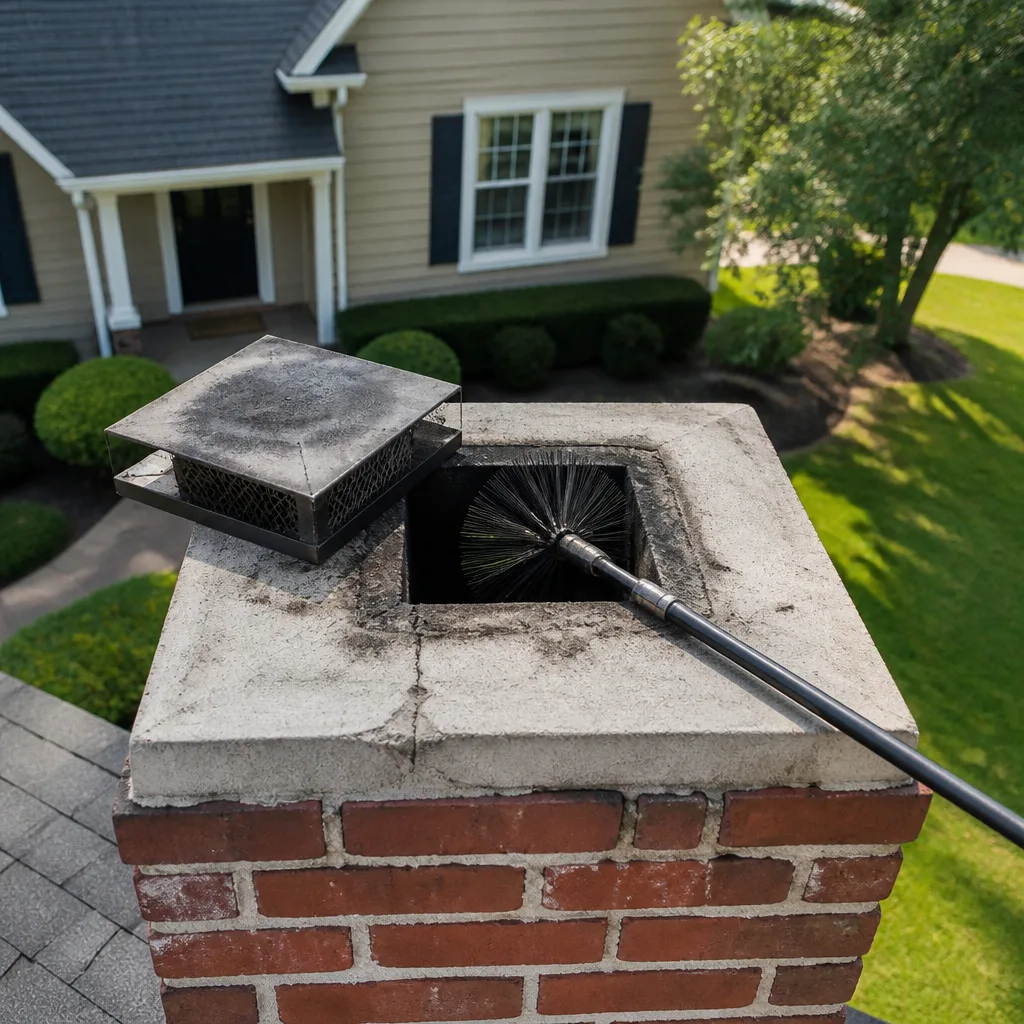 Sweep & inspection
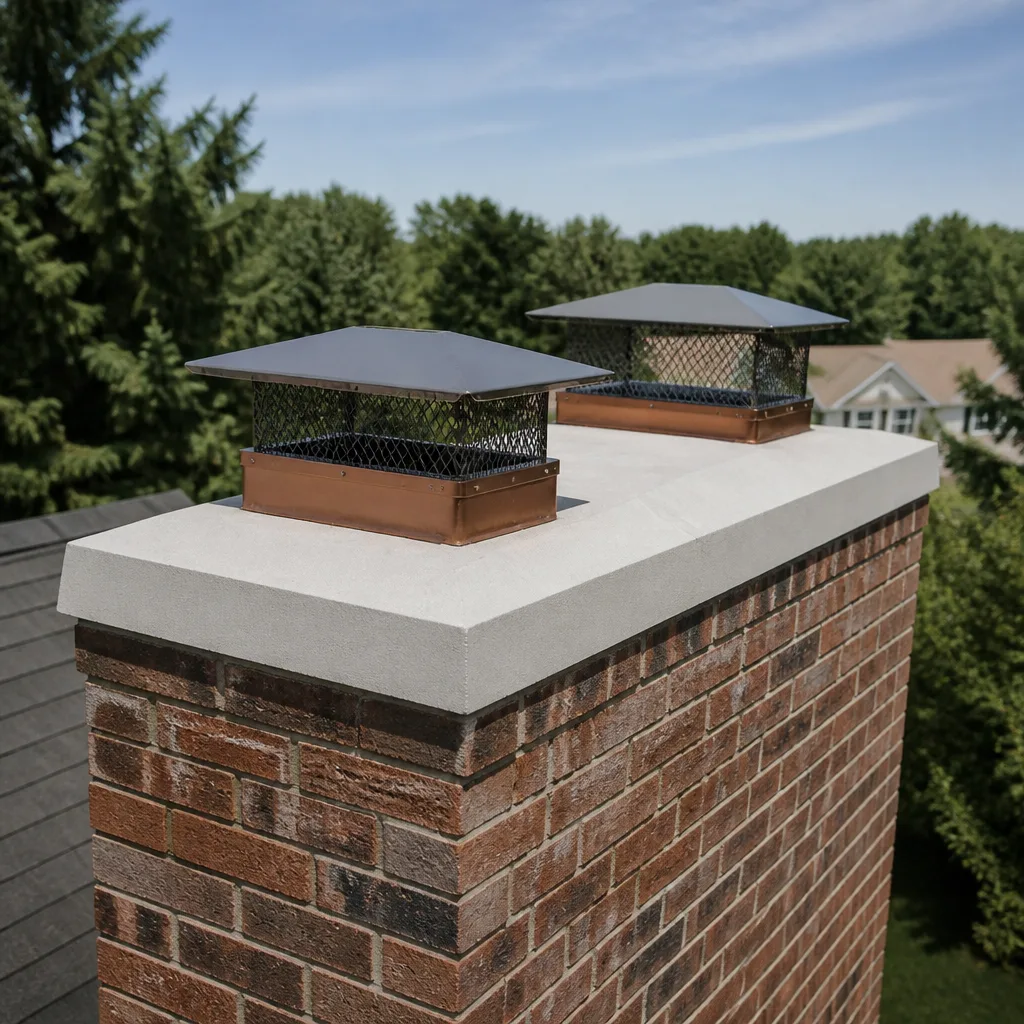 Caps & crowns
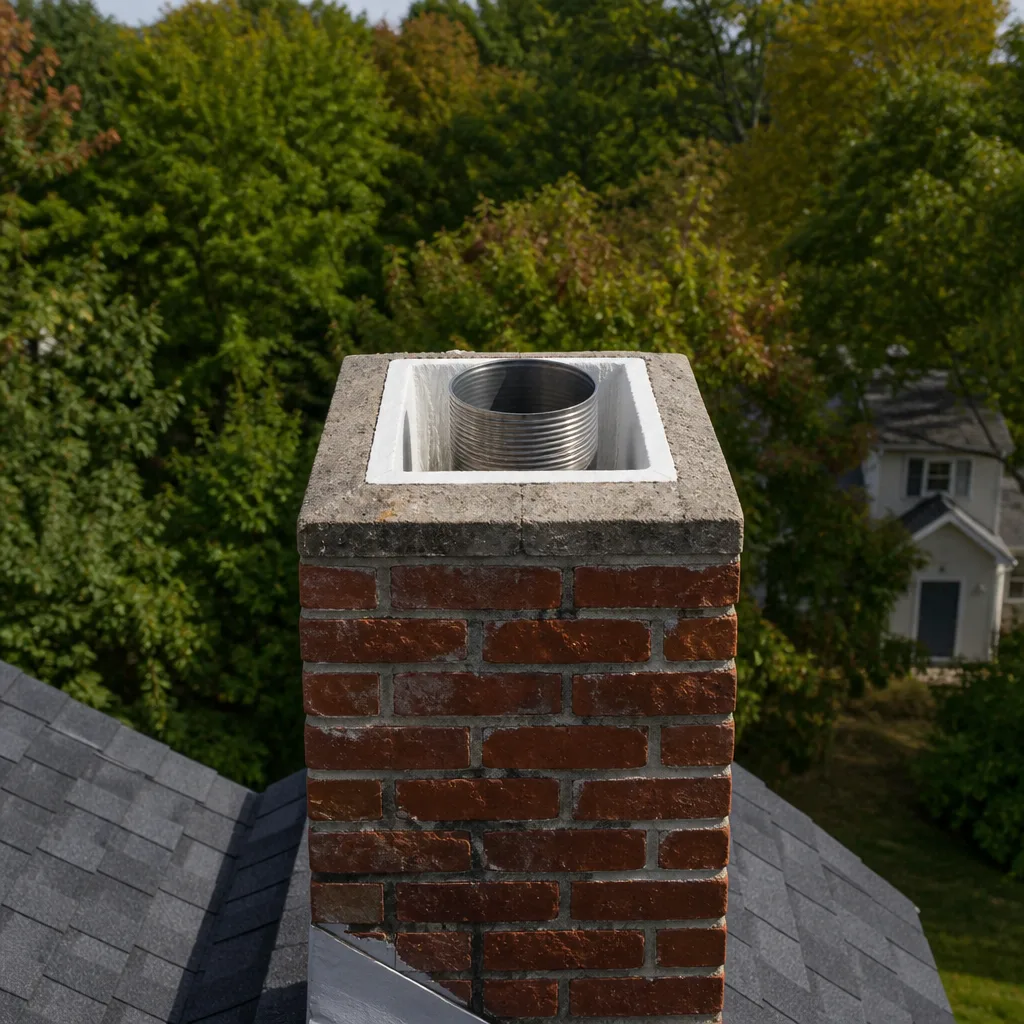 Flue relining
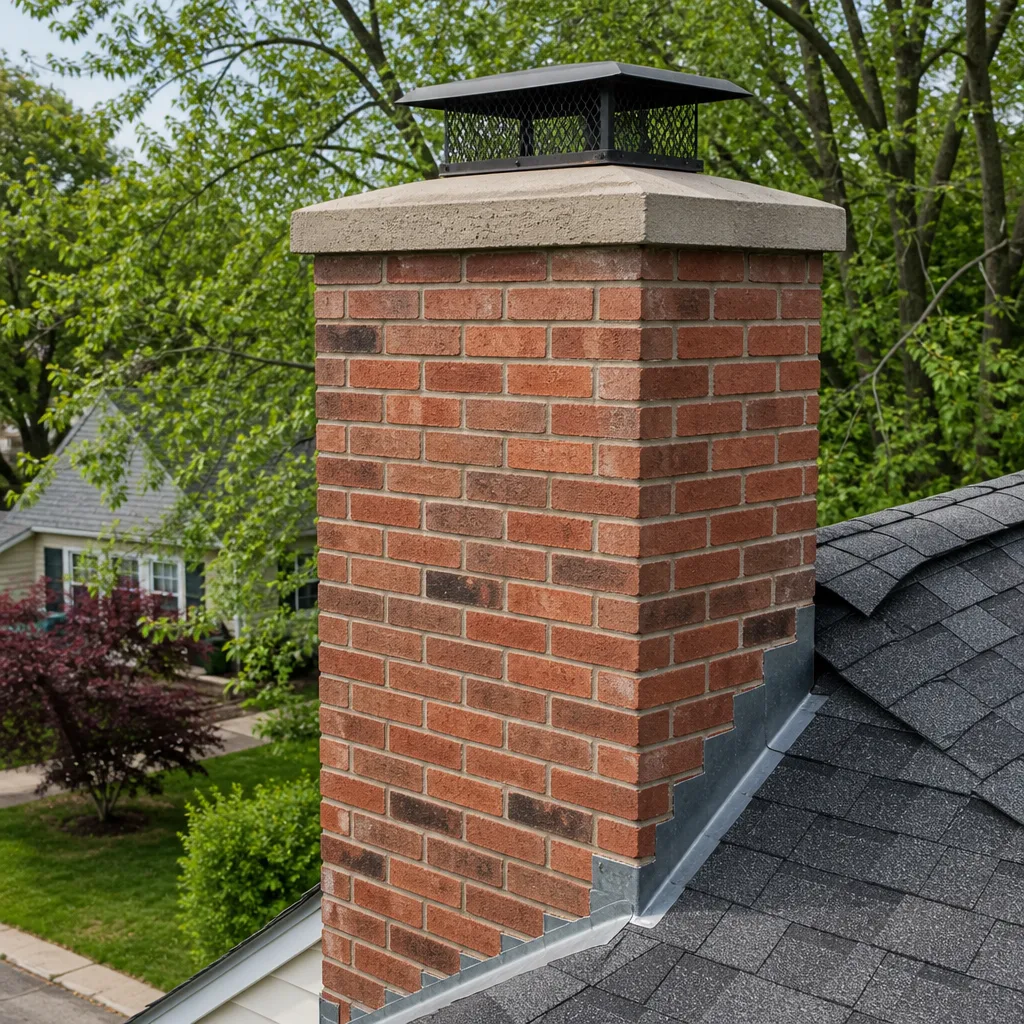 Masonry repair
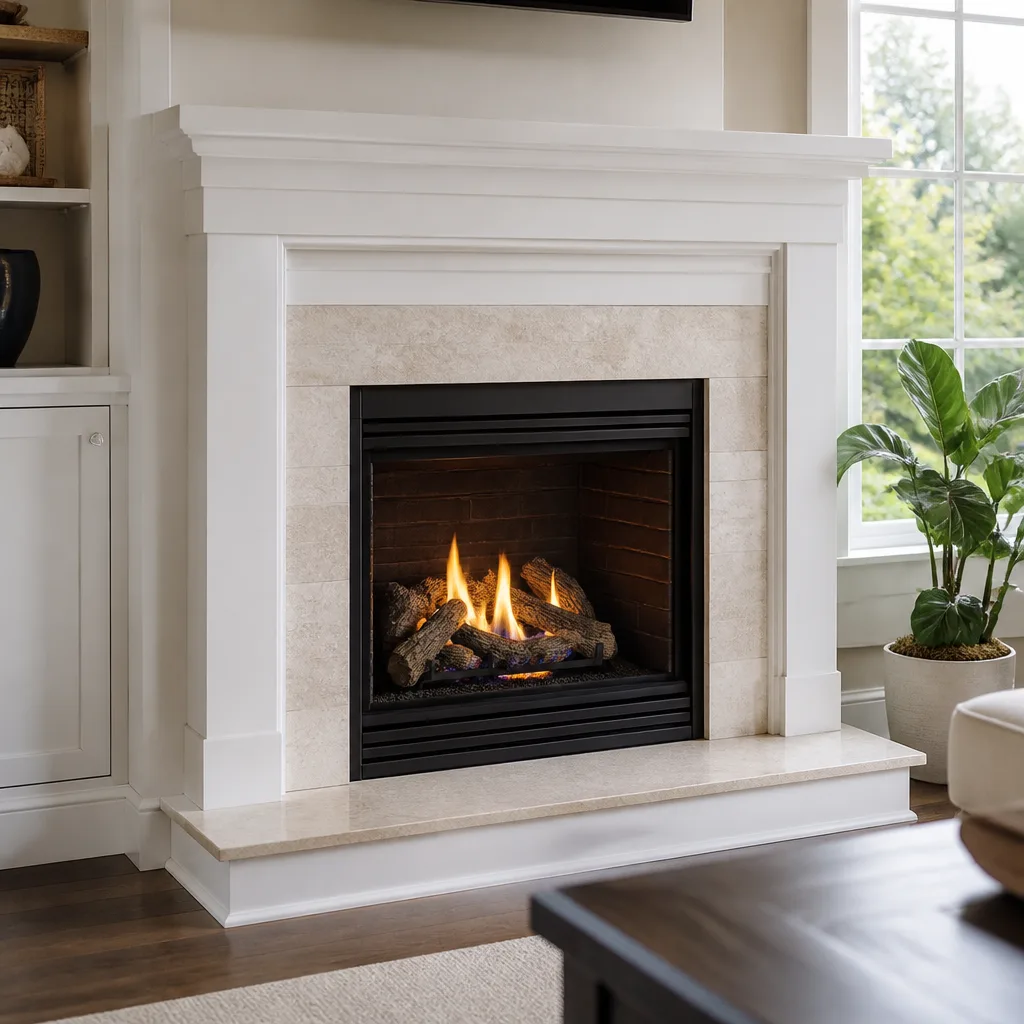 Gas fireplace service
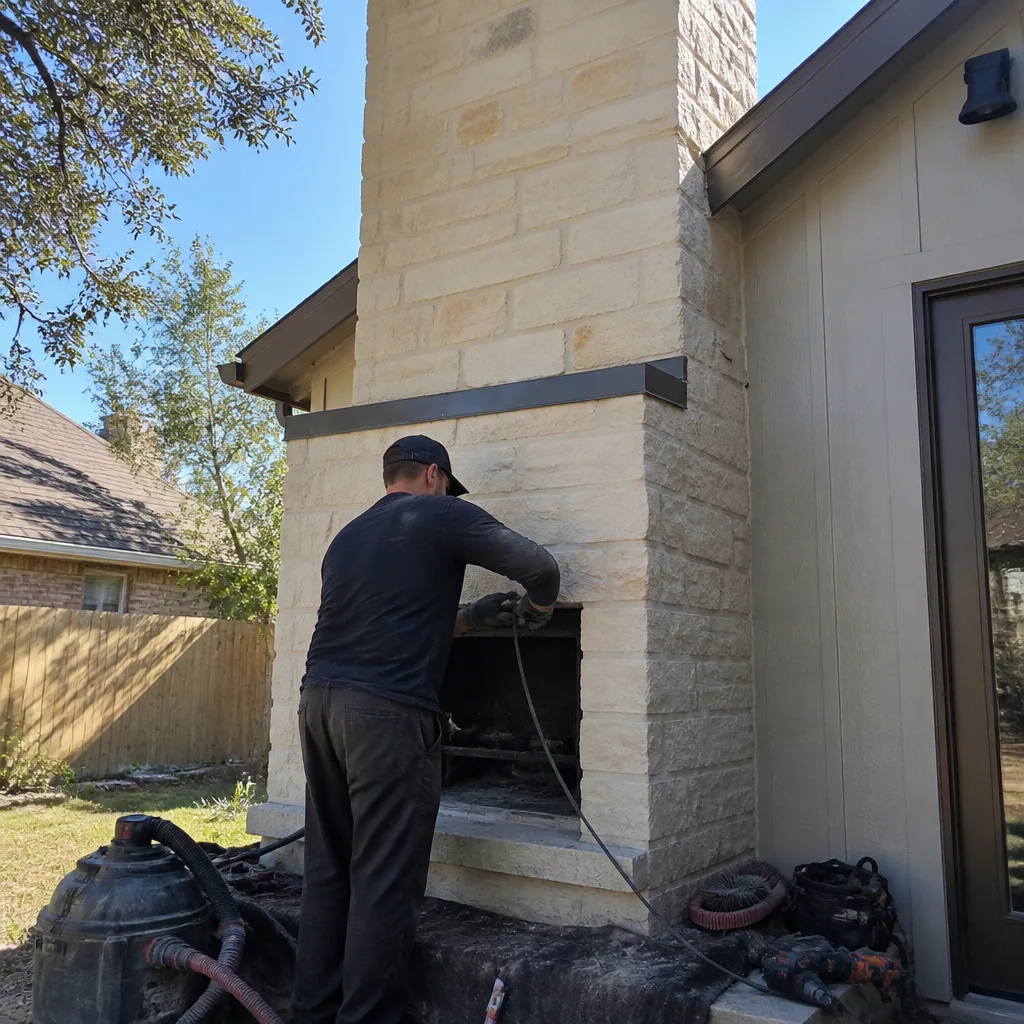
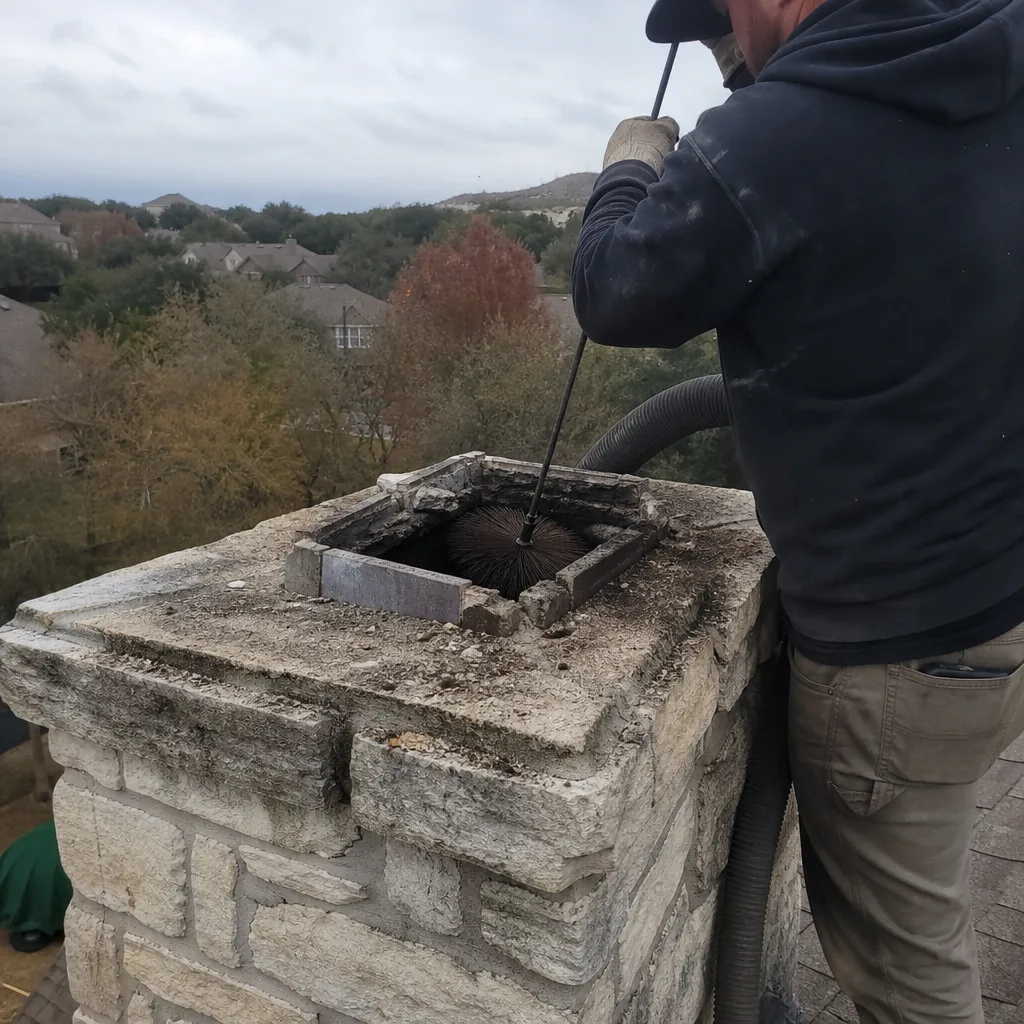
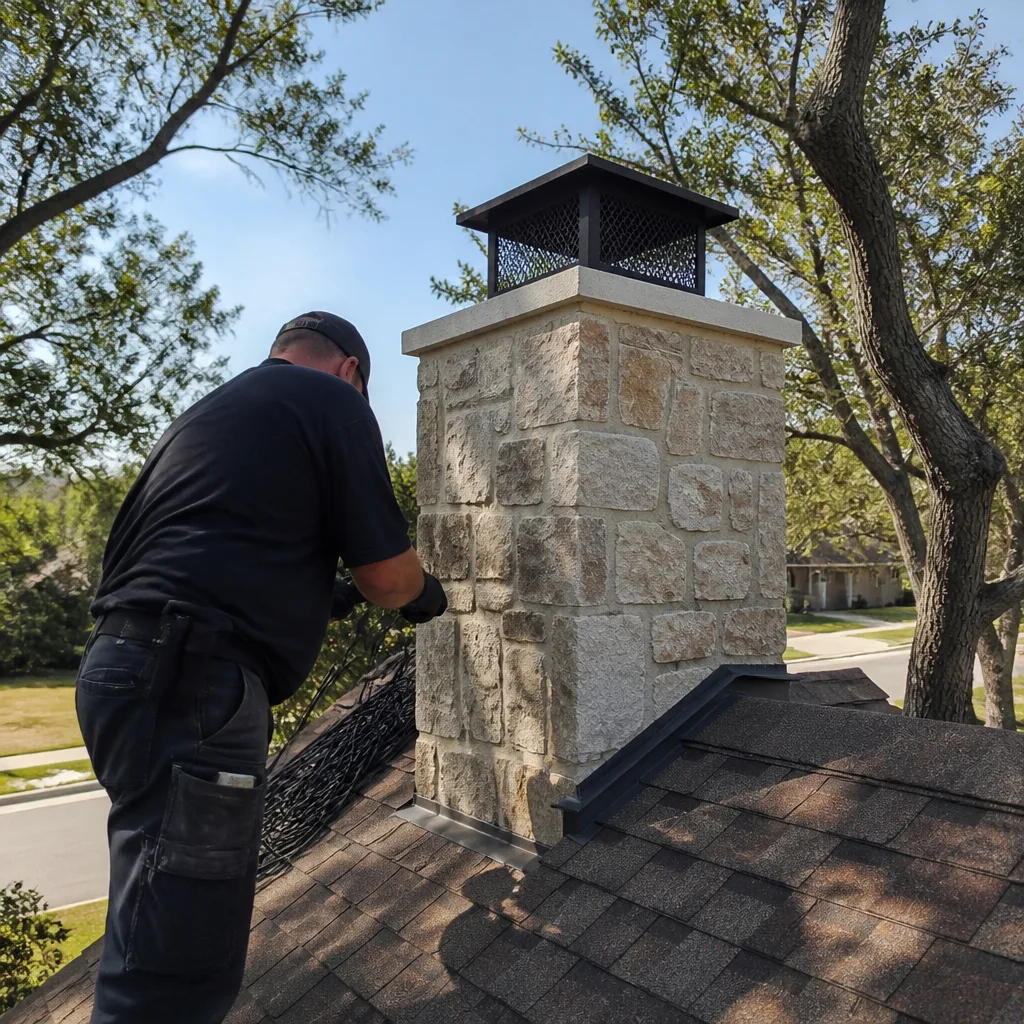
Level 1 sweep and inspection to the NFPA 211 annual standard - flue, crown, cap, and flashing checked and photographed
Chimney sweep logs do not sweep chimneys. They loosen some creosote - which then falls where a brush and vacuum still have to collect it.
Chimney Cleaning Warning Signs: A Cedar Park Homeowner’s Reference Guide
Most Cedar Park homeowners don’t think about their chimney until a cold front hits and they flip the gas switch or toss the first log on the grate. But here’s what we’ve learned after years of work in this area: by the time a fireplace starts misbehaving in obvious ways, the chimney has usually been quietly failing for months. The interesting part is that the earliest warning signs are rarely dramatic. They’re subtle enough that almost everyone dismisses them as normal or cosmetic. This guide covers the indicators that show up first, the ones that give you time to act before a cleaning turns into a structural repair. For a deeper dive into solving issues as they arise, see our Chimney Sweep Troubleshooting: Common Problems and How to Fix Them. We’ll walk through what each sign actually means in the context of Cedar Park’s climate, soil, and the way homes here are built.
Styles & brands we work with
Quick Answer
The earliest chimney cleaning warning signs in Cedar Park are typically a damper that’s getting harder to operate, a faint odor that smells like asphalt or hot pavement when the fireplace hasn’t been lit, white salt-like staining on exterior brick, and a black residue that builds up unusually quickly on glass fireplace doors. Any one of these indicates creosote accumulation or moisture intrusion and warrants a professional inspection. The goal is catching these before smoke backs into the house or before liner damage becomes a structural problem.
Table of Contents
- What Efflorescence on Your Exterior Brick Actually Means
- Cracking and Popping: Settling vs. Thermal Stress
- Why a Stiff Damper Is a Creosote Warning
- Stage 1 vs. Stage 2 Creosote Odor: What Your Nose Is Telling You
- Ceiling Stains vs. Firebox Stains: Which One Needs Faster Action
- Rapid Soot Buildup on Glass and Fireplace Surround
- Drafting Changes You Can Feel Before You Can See
- Common Mistakes to Avoid
- When to Call a Professional
- Frequently Asked Questions
- The Bottom Line
What Efflorescence on Your Exterior Brick Actually Means
White, powdery staining on the outside of your chimney looks like the kind of thing a power washer could fix in an afternoon. Plenty of Cedar Park homeowners assume it’s just mineral deposits from rain or irrigation overspray. Here’s the reality: efflorescence is water moving through your masonry, dissolving salts inside the mortar, and carrying them to the surface. When that water evaporates, it leaves the salt behind. The stain is not the problem. The water is.
Chimneys in Central Texas get hit from two directions. We get intense summer heat that expands brick and mortar, then winter freezes that contract it. That thermal cycling creates hairline cracks in mortar joints. Combine that with the occasional heavy downpour and the persistent humidity, and you have a chimney that’s gradually absorbing water. As that water travels through the masonry, it weakens the mortar from inside. A chimney with active efflorescence is a chimney that’s losing structural integrity one season at a time.
In the early stages, the fix might be straightforward: a professional cleaning, a close inspection of the crown and flashing, and repointing compromised mortar joints. Left unaddressed, water intrusion leads to spalling brick, which means the face of the brick pops off entirely. At that point, you’re not talking about maintenance. You’re talking about significant structural repair. If you see white staining that reappears after you clean it, the water source hasn’t been addressed. That’s the signal to act.
We also see this in Cedar Park homes where the original chimney cap has rusted through or shifted. A damaged cap lets water pour directly into the flue, which accelerates liner deterioration from the inside while the exterior brick absorbs moisture from the outside. Two problems from one source. Our Chimney Repair in Cedar Park page goes into the structural side of that in more detail.
Cracking and Popping: Settling vs. Thermal Stress
Every house makes noise. Wood framing contracts at night, HVAC ducts ping when the system kicks on, and if you live anywhere in Williamson County, the clay soil shifting through wet and dry cycles means your foundation and brick veneer are always under some degree of movement. Most of that is normal settling, and it produces occasional creaks and pops that come and go.
But there’s a specific sound profile that means something different. When a clay flue liner is under thermal stress, it doesn’t creak. It cracks. If you hear a sharp crack or a pop that sounds like it came from inside the chimney chase, not from the walls, and it happens specifically when the fireplace is heating up or cooling down, that’s a liner telling you it’s failing. Clay liners expand when heated. If creosote has built up unevenly inside the flue, or if moisture has already entered the clay and made it brittle, the liner can crack under that expansion.
Here’s how to distinguish the two in practice:
- Timing: Settling sounds happen any time of day or night. Thermal stress sounds happen during or shortly after a fire, or when a gas fireplace cycles off and the chimney cools rapidly.
- Location: Settling is usually felt or heard near the base of the house or in wall cavities. Liner stress is localized to the chimney structure itself.
- Repetition: If you hear the same sharp pop every time you use the fireplace, at roughly the same point in the burn cycle, that’s not random settling. That’s a material failing under repeated stress.
A cracked clay liner is not something a cleaning will cure. It requires a repair path, and in many cases, a stainless reline. We install DuraFlex liner systems for exactly this reason: they handle thermal expansion differently than rigid clay, and they’re rated for the specific fuel type, whether wood, gas, or oil. The earlier you catch liner stress, the more options you have. They narrow quickly once the crack becomes a full break.
Why a Stiff Damper Is a Creosote Warning
A damper that’s getting progressively harder to open or close is one of the earliest and most consistently overlooked signs of creosote buildup. Most people assume the hinge is rusted or the mechanism is just old. Mechanical wear happens, but in our experience, the more common cause is creosote accumulation on the damper plate and its frame.
Here’s the mechanism. Creosote doesn’t just coat the flue walls. It deposits on every surface inside the firebox and the throat of the chimney, including the damper assembly. Creosote is sticky when it’s fresh and becomes hard and brittle as it ages. Both forms interfere with the damper’s range of motion. The plate starts to scrape against buildup instead of swinging freely. The handle requires more force. The damper stops seating fully in the closed position. What feels like a minor annoyance is actually evidence that what you’re touching is only the part of the creosote you can see and feel. The rest is higher up in the flue.
There’s a safety angle here too. A damper that can’t close fully allows conditioned air to escape up the chimney year-round and lets outside air in. A damper that doesn’t open fully restricts the draft, which makes a fire burn cooler and produce more creosote. It’s a feedback loop. The damper gets stiff from creosote, the restricted airflow creates more creosote, and the damper gets stiffer. Breaking that loop starts with a sweep that removes the buildup and gets the damper moving correctly again.
If the damper is severely warped or corroded, replacement hardware from a manufacturer like Famco is designed to handle the thermal cycling and exposure that a chimney damper lives with. But the first step is always a thorough cleaning. Sometimes the damper doesn’t need replacing. It just needs to be freed from what’s built up around it.
Stage 1 vs. Stage 2 Creosote Odor: What Your Nose Is Telling You
Creosote has a smell, and the smell changes as the creosote progresses. This is one of those things that gets left out of most chimney guides, but it’s genuinely useful. Your nose can tell you how much time pressure you’re under before anyone even looks up the flue.
Stage 1 creosote is mostly soot with some creosote mixed in. It’s the soft, flaky, dusty kind of buildup. Its odor is faint and intermittent. Most people describe it as smelling like a cold campfire or a fireplace that was used yesterday, even if it’s been a week. You’ll notice it most on humid days or when the HVAC system creates a slight negative pressure in the house that pulls air down the chimney. A campfire smell when there’s no fire is the signal. At this stage, a standard sweeping typically removes the buildup safely. The problem is that Stage 1 creosote is easy to ignore because the smell is not unpleasant. It’s faint enough to dismiss.
Stage 2 creosote is a different material entirely. It’s the shiny, tar-like, baked-on kind that forms when fires burn at lower temperatures, which in this part of Texas is exactly what happens during our short, mild winters. People don’t build roaring fires as often. They build smaller fires, burn them low, and close the damper early. That produces compounds that condense into a dense, tarred glaze. The smell is different too. It’s sharper. More chemical. It’s been compared to asphalt, hot pavement, or even a slight diesel-like odor. If you smell that when your fireplace has been cold for days, you’re smelling Stage 2 creosote off-gassing. And Stage 2 creosote is a legitimate fire hazard, not a maintenance item.
Here’s the practical rule. Campfire smell: schedule a cleaning in the next few weeks. Asphalt smell: schedule it now, and stop using the fireplace until the flue has been professionally assessed. The threshold between those two odors marks the difference between routine maintenance and a situation that needs urgent attention. Our Chimney Sweep in Cedar Park page explains what a professional sweep involves and what to expect.
Ceiling Stains vs. Firebox Stains: Which One Needs Faster Action
Stains around a fireplace fall into two categories, and they don’t mean the same thing. The difference matters because one is urgent and the other is potentially urgent but for an entirely different reason.
A dark stain on the wall directly above the fireplace opening, on the ceiling above the fireplace breast, or on the mantle itself is usually moisture. When a chimney cap fails or flashing separates, water gets into the chase or the masonry and migrates to the drywall. The stain is telling you that water is where it should not be. That’s a problem for the drywall, but the bigger problem is what the water is doing inside the chimney structure. It’s likely the same water that’s damaging the liner or deteriorating the mortar joints. The ceiling stain in the living room is the visible symptom of a problem you can’t see. If you catch a ceiling stain early, a repair is often straightforward. The longer water moves through the system, the wider the damage spreads. This needs fast action because water is destructive and because drywall damage compounds quickly in our climate’s humidity swings.
A stain on the firebox wall is different. If you see dark, tarry staining inside the firebox, on the back or side walls near where the fire burns, you’re looking at creosote condensation. That happens when the combustion gases cool too quickly and condense before they exit the chimney. It’s common with fireplaces that have drafting issues or that are used with the damper partially closed. Firebox staining means creosote is forming in large enough quantities to remain liquid and run down the walls. That’s a cleaning urgency signal, not just a cosmetic concern. The deposit itself is fuel. It can ignite.
The quick differentiation: if the stain is on the outside of the wall or ceiling, think water intrusion. If it’s inside the firebox, think creosote loading. Both need a professional assessment, but the solutions are different. One is a structural repair path. The other is a cleaning first, assessment second.
Rapid Soot Buildup on Glass and Fireplace Surround
Glass fireplace doors that blacken after every use, or a surround that collects a dark film within a few burns, are not just an aesthetics problem. The rate of buildup is a diagnostic tool. A properly burning fire in a properly drafting chimney should produce minimal soot on the glass. If you’re wiping the glass clean and it’s opaque again after two or three evenings, your combustion and drafting are out of balance.
Common causes in Cedar Park homes include burning unseasoned wood. Oak takes longer to dry than most people realize, and in our climate, firewood stored uncovered through a rainy stretch absorbs moisture from the air even after it was cut dry. Wet wood burns cooler and produces more combustion byproducts. Another cause is a flue that’s partially obstructed with creosote or debris, reducing draft and slowing the exit of smoke. A third cause, less common but present in some builder-grade installations, is an improperly sized flue for the firebox.
Rapid soot buildup is less urgent than an asphalt odor or ceiling stain, but it’s still an early indicator. It’s the kind of thing that tells us the system is already operating below its design baseline. A cleaning that removes the creosote from the flue and an inspection that identifies the root cause of the excess soot is the right order of operations. Treat the symptom first, then diagnose the cause. Otherwise you’re just wiping glass every week while the real problem gets worse higher up.
Drafting Changes You Can Feel Before You Can See
Drafting is how well your chimney pulls combustion gases up and out of the house. Good draft is quiet and nearly invisible. Bad draft announces itself in ways that most people register but don’t name correctly. Here are the early drafting changes that show up before there’s ever visible smoke in the room:
- A fireplace that’s hard to light: If kindling catches but the fire struggles to establish, or if it smolders when it should blaze, the draft is weak. A restricted flue reduces the draw, and reduced draw means the fire fights for oxygen.
- Flames that tilt or flicker toward the room: This is hot gases that are not moving upward with enough velocity. It’s a visual indicator that combustion byproducts are lingering too long in the firebox.
- A fire that dies when you close the damper partway: Closing a damper partially is common on cold nights to slow the burn. If the fire immediately dies or smokes, the flue was already marginal, and the partially closed damper tipped it over the edge.
- Cold air pouring into the house when the fireplace isn’t in use: This is a drafting failure in reverse. A properly functioning damper and flue shouldn’t let significant air move down the chimney. If you feel a cold draft from your fireplace on winter nights, the path is open in a way it wasn’t designed to be.
All of these are creosote-adjacent or creosote-caused in most cases. The flue is loading with deposits, the cross-sectional area is shrinking, and the draft is weakening. The earliest version of this is so subtle that it just feels like the fireplace doesn’t burn as well as it used to. That alone is reason enough for a cleaning and inspection. A fireplace that worked better last winter than it does this winter is trying to tell you something.
Common Mistakes to Avoid
- Assuming efflorescence is just a cosmetic issue: White staining means water is moving through your masonry. Cleaning the stain without addressing the water source is like repainting over a roof leak and calling it fixed.
- Waiting until you can see smoke in the house before calling anyone: By the time smoke backs up into the room, the flue has a significant restriction, and the situation has escalated far beyond a routine cleaning.
- Burning pine or cedar you cut down last month: Green, resinous wood burns cool and produces creosote at an aggressive rate. Stick with properly seasoned hardwoods, and in our climate, store them covered through the wet seasons.
- Ignoring a musty smell from the fireplace in the summer: That’s moisture trapped in the flue and masonry, and it’s working on your liner and mortar joints even when you’re not using the fireplace.
- Having the chimney swept but skipping the inspection: A sweep removes the creosote. An inspection identifies why it built up and whether the liner, crown, flashing, and cap are doing their jobs. The sweep and the inspection are not the same service.
- Assuming a gas fireplace needs no attention: Gas produces byproducts too. The venting path for a gas insert or gas log set needs to be clear, and a gas system that vents improperly can introduce carbon monoxide into the home. Gas fireplaces get inspected and cleaned on their own schedule.
- Postponing because you don’t use the fireplace often: Creosote doesn’t care how many fires you build. It cares about how those fires burned and how much moisture the chimney has absorbed. A rarely used fireplace in a humid climate can actually develop moisture problems faster than one that’s used regularly and cleaned annually.
When to Call a Professional
Any one of the warning signs in this guide is sufficient reason to schedule a professional inspection. But there are certain combinations that should move the timeline up. If you’ve noticed a campfire or asphalt odor and you’ve also seen white staining on the exterior brick, you’ve likely got creosote and moisture working at the same time, which accelerates liner deterioration. If the damper is stiff and soot is building up rapidly on the glass, the flue is already loading faster than the system can manage. If you’ve heard a sharp crack from the chimney during a fire, stop using the fireplace until a professional has looked inside. Ashton Chimney offers free estimates in Cedar Park, and you can call (855) 507-9184 to schedule one. One call covers the cleaning, the inspection, and whatever repair path the findings point toward.
Frequently Asked Questions
Chimney cleaning in Cedar Park generally falls in the range of $150 to $350 for a standard open fireplace, with additional cost if the flue has heavy Stage 2 or Stage 3 creosote requiring more aggressive removal. The final number depends on the size of the flue, the amount of buildup, and whether any repairs are discovered during the inspection. Call (855) 507-9184 for an exact quote. Estimates are free.
The National Fire Protection Association standard is that chimneys should be inspected annually and cleaned when creosote buildup reaches 1/8 inch. For most Cedar Park homeowners who use a fireplace regularly during our relatively short winter season, an annual sweep is the right rhythm. If you burn a lot of wood or notice any of the warning signs in this guide, twice a year is not excessive.
You should not accept a liner replacement recommendation without camera evidence showing why the liner is failing. A cracked clay liner, a liner with water damage, or a liner that’s separated at the joints is a legitimate replacement candidate. But there are cases where the flue can be restored with a HeatShield resurfacing instead of a full replacement. The key is seeing the inside of the flue yourself. If a company recommends a liner without showing you the images, get a second opinion.
Creosote accumulates on the flue walls in layers. The longer it sits, the denser and more fuel-rich it becomes. Stage 1 creosote is mostly ash and soot. Stage 2 is a tarred glaze. Stage 3 is a hardened, glossy deposit that’s extremely difficult to remove and highly combustible. Skipping cleanings means the creosote advances through those stages, and the chimney becomes less safe and more expensive to clean the longer you wait. A flue fire at that point is a real possibility, not a hypothetical.
Yes, in specific ways. The clay soils around Cedar Park expand and contract with rainfall and drought, which can shift foundations and stress masonry chimneys. Our hot, humid summers mean absorbed moisture doesn’t always dry out fully. And the freeze-thaw events we get in January and February, while brief, are enough to expand microscopic cracks in brick and mortar into visible ones. A chimney in this area lives a harder life than one in a drier, more stable climate.
Yes. Dryer vent cleaning in Cedar Park is one of our three core service lines, alongside chimney sweeping and repair. A clogged dryer vent is a separate but equally serious household fire risk, and it’s one that most chimney companies don’t address. We treat your dryer vent as a venting system with the same level of attention we give a chimney flue.
The Bottom Line
The chimney in your Cedar Park home doesn’t fail all at once. It gives you a long series of warnings, and most of them are easy to miss if you don’t know what they mean. Efflorescence on brick, a damper that fights back, a faint asphalt smell on a humid day, a sharp pop from inside the chase when the fire heats up, soot that returns to the glass in a week: these are the early signals. They show up before smoke fills the living room, before a liner cracks fully, before water damage spreads through the ceiling. The advantage of catching them early is that the fix is usually a cleaning and a targeted repair instead of a major structural project. The Ashton Chimney home page covers the full scope of what we do, and we’re always straight with homeowners about what needs to happen now versus what can safely wait.
Written by the team at Ashton Chimney, serving Cedar Park since 2014.
See the difference
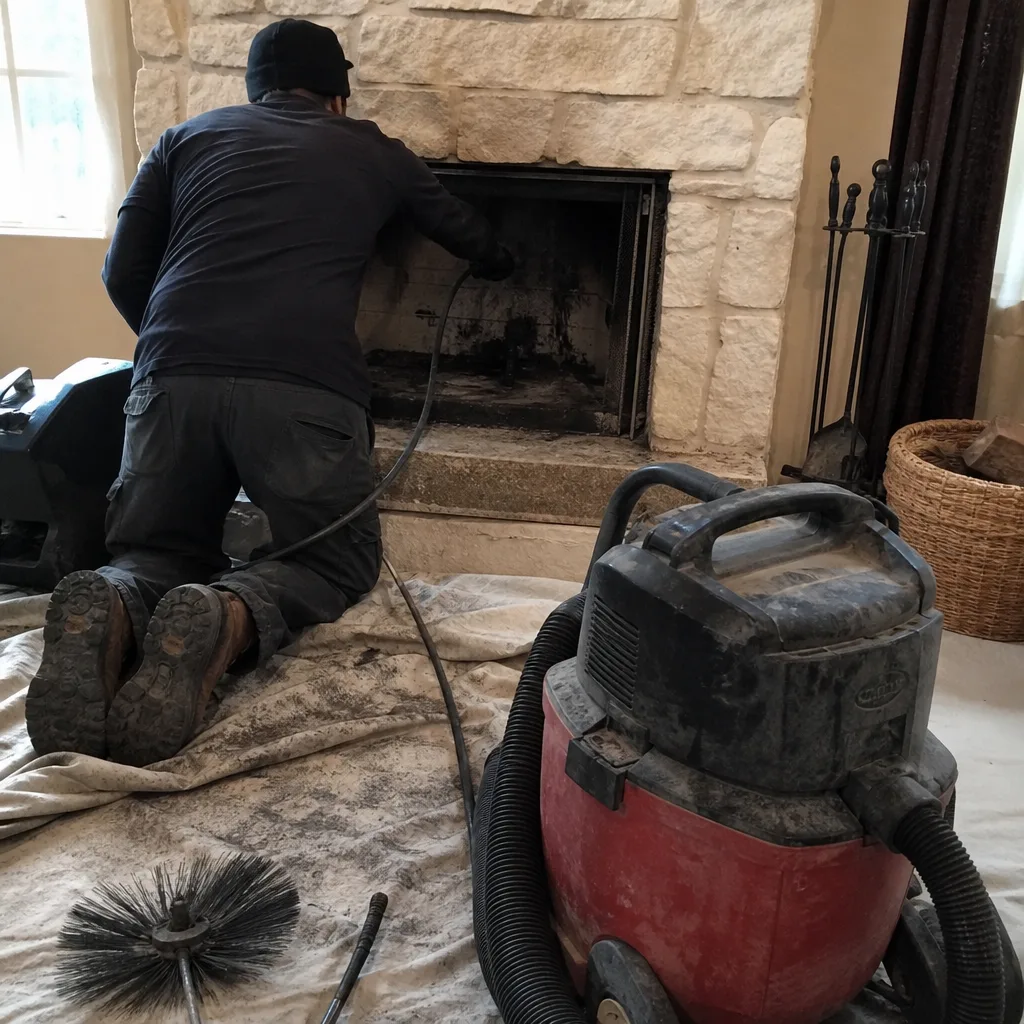 Before
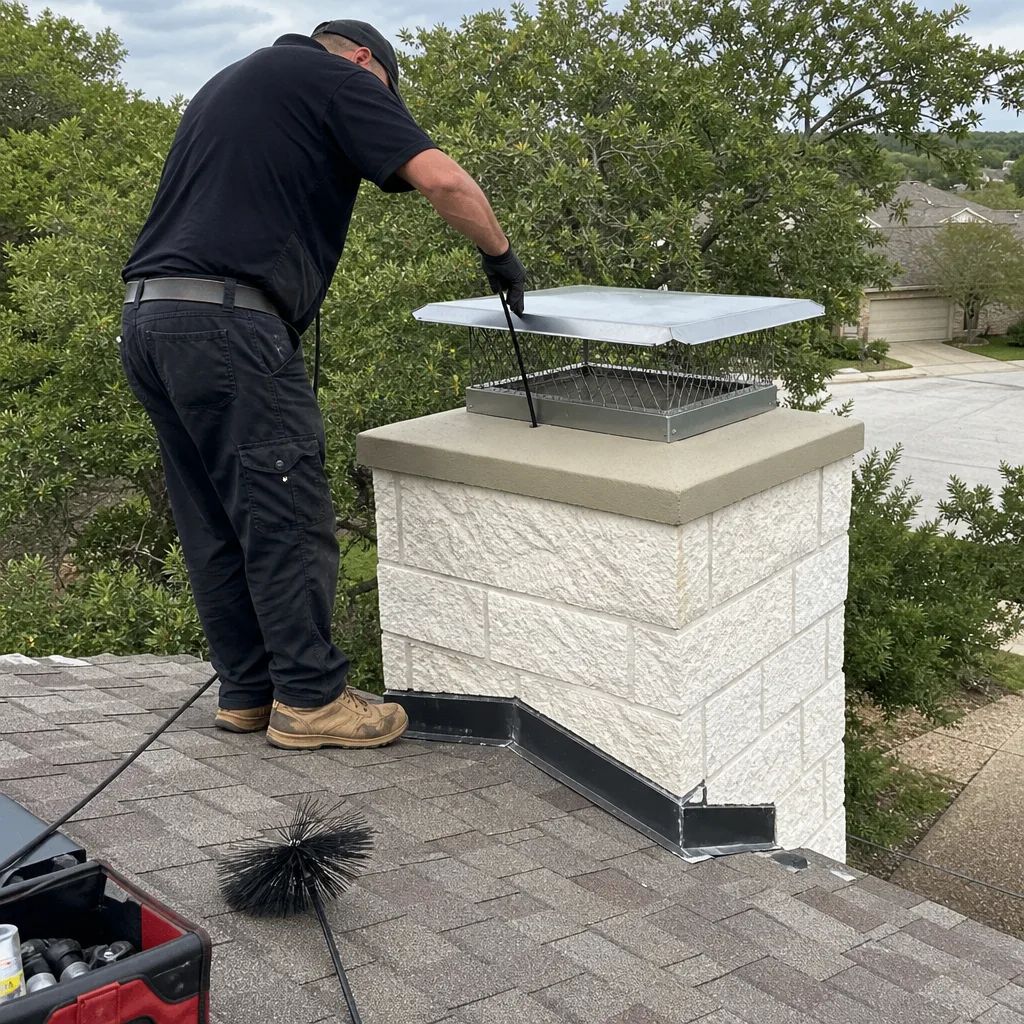 After
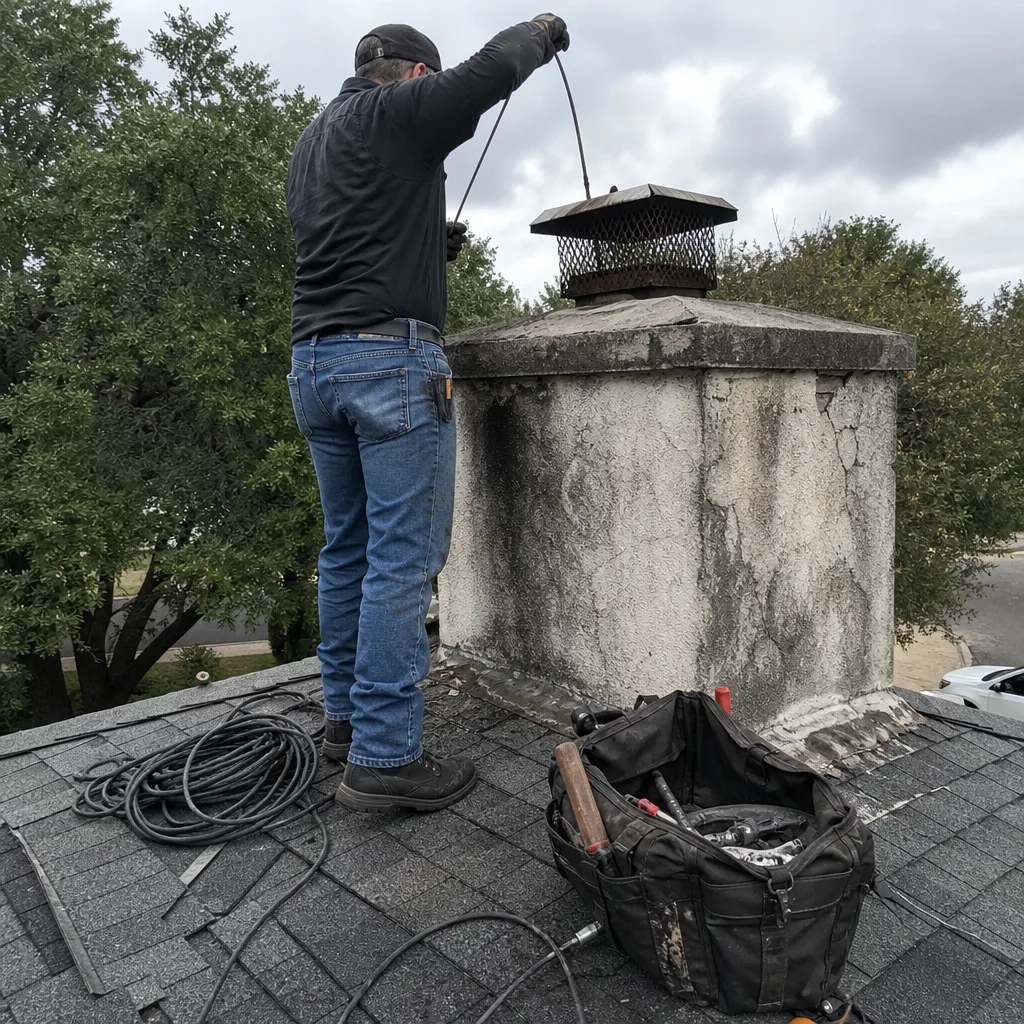 Before
 After
 Before
 After